"More than half of workers fear AI will take their job. Here is what the data actually says — and what you should do about it."
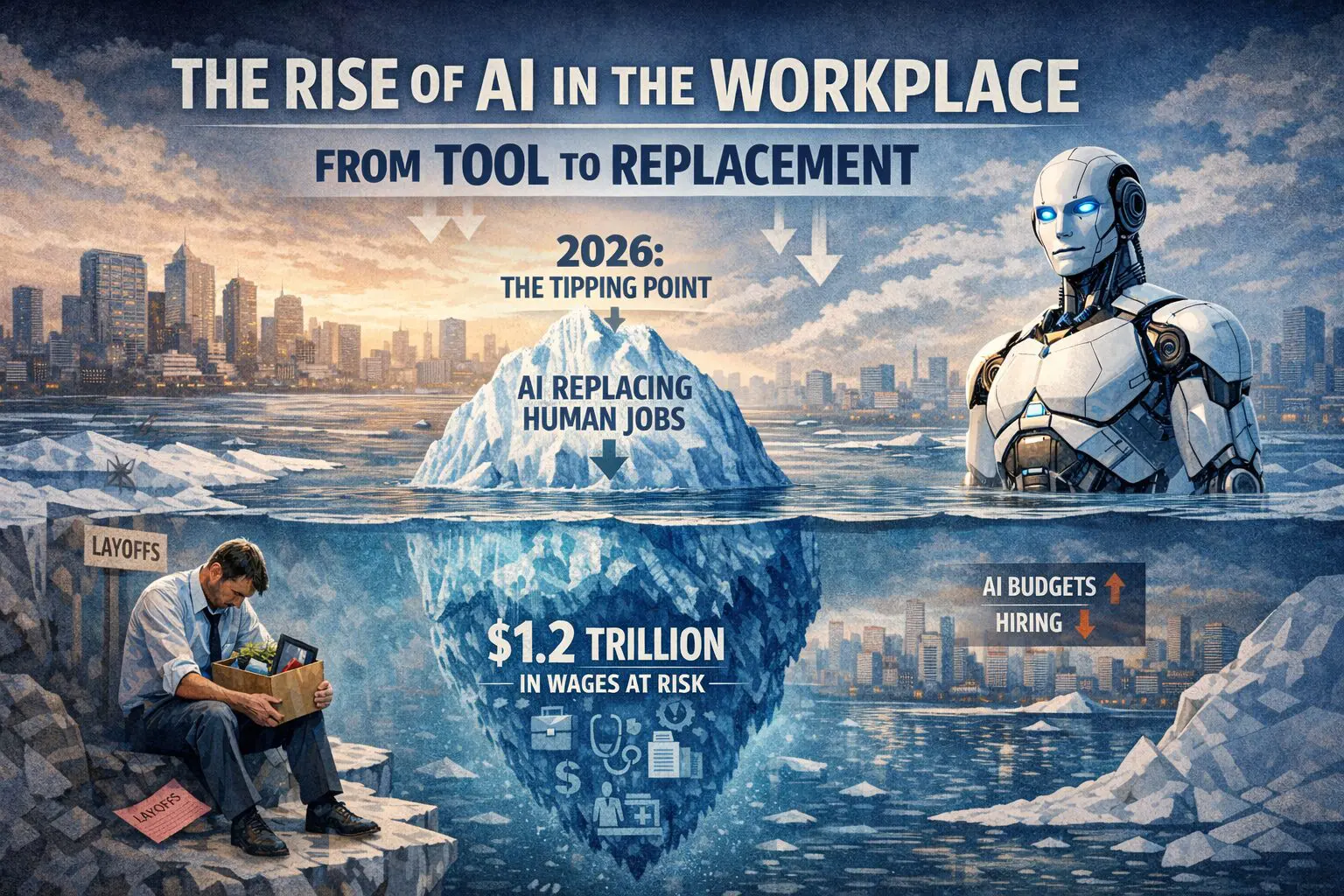
The fear is real. Search engines are flooded with one question above almost all others right now: "Will AI replace my job?" It is not a niche tech concern anymore — it is the anxiety of doctors, teachers, writers, coders, lawyers, and factory workers alike. According to the International Monetary Fund, nearly 40% of all jobs globally are now exposed to AI-driven change. That number does not mean 40% of jobs disappear. But it does mean 40% of jobs will never be the same.
This article cuts through the panic and the hype. We looked at the latest data from Goldman Sachs, McKinsey, BCG, the IMF, and the World Economic Forum to give you the most honest picture of what is actually happening — which jobs are truly at risk, which ones are safe, and most importantly, what you should do right now to protect yourself.
Why Is Everyone So Scared?
The anxiety is not irrational. In the last two years alone, AI has passed the bar exam, written code that ships to production, designed marketing campaigns, and answered customer service tickets at scale. What once felt like science fiction is now a Tuesday afternoon at a Fortune 500 company.
A major survey found that one in four workers worry AI will make their job obsolete — with even higher rates among younger workers and workers of color, who historically have fewer financial safety nets if their role disappears. The Brookings Institution found that more than half of surveyed Americans fear AI will take their jobs. That fear is driving billions of searches every month.

Which Jobs Are Most at Risk?
The common assumption is that only low-skill jobs are at risk. The data says otherwise. University of Pennsylvania and OpenAI researchers found that educated white-collar workers earning up to $80,000 a year are among the most likely to be affected. AI is extremely good at pattern recognition, text generation, data processing, and scripted decision-making — skills that happen to sit at the center of many office jobs.
McKinsey's analysis of the New York labor market identified the sectors facing the steepest losses:
The Real Truth: Replacement vs. Transformation
Here is the most important thing to understand — and the thing most panic-driven headlines miss: BCG's April 2026 analysis of 165 million US jobs concluded that AI will reshape more jobs than it replaces. Task automation does not equal job loss. Most roles will remain — but they will change substantially.
Think of how the spreadsheet changed accounting. It did not eliminate accountants — it eliminated the 8 hours a day of manual calculation, and freed accountants to do the advisory, strategic work that actually required a human mind. AI is doing the same thing at 100 times the speed and across 100 times as many industries.
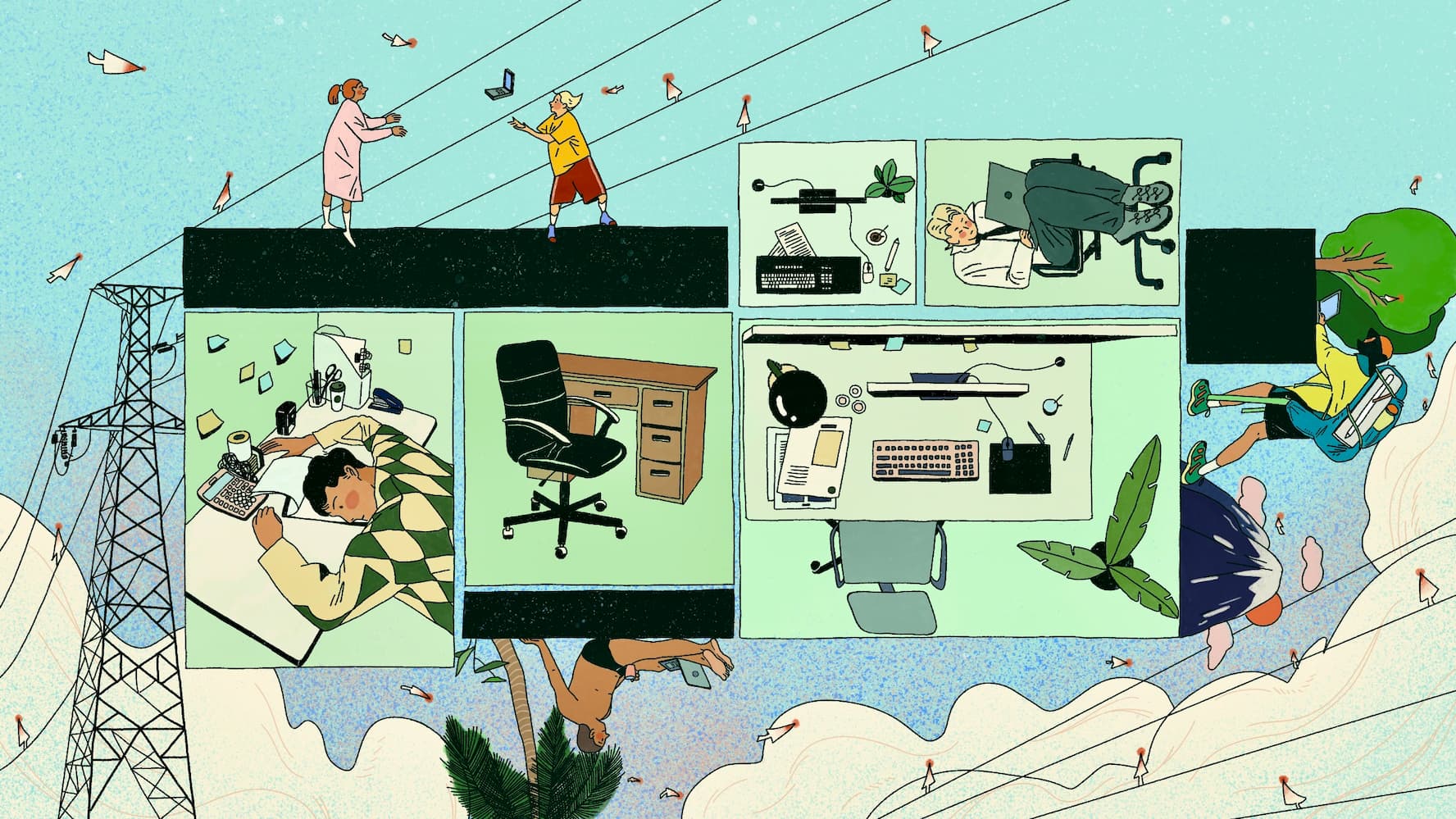
🔎 The Real Verdict: Roughly 6% of US jobs will be fully replaced by AI by 2030. Around 60% will be partially automated — meaning parts of your job disappear, but the job itself stays. And entirely new roles — AI product managers, prompt engineers, automation designers — are growing faster than almost anything else in the economy.
The WEF identifies AI specialists, cybersecurity experts, data scientists, and fintech engineers as the fastest-growing roles on the planet right now. The labor market is entering a transformation phase, not a mass extinction event.
How to Protect Yourself Right Now
The good news is this: you do not need to become a programmer. You do not need a computer science degree. What you need is to stop fearing AI and start using it. The workers who will thrive are not the ones who hide from automation — they are the ones who add AI to their skill stack and become dramatically more productive than their peers.
The Bottom Line
Will AI replace some jobs? Yes. Absolutely, and it already is. But a full collapse of the job market? The data does not support that. What is happening is a redistribution — away from repetitive, predictable, pattern-based work, and toward work that requires creativity, judgment, empathy, and the uniquely human ability to navigate uncertainty.
The most dangerous thing you can do right now is nothing. The workers who will be left behind are not the ones in "AI-risk" jobs. They are the ones who refused to adapt. The spreadsheet did not destroy accounting. The internet did not destroy retail. AI will not destroy work — it will destroy the version of work that never needed humans in the first place.
The question to ask yourself is not "Will AI replace me?" — it is "Am I using AI, or am I waiting to be replaced by someone who is?"