AI Agent Sandboxing vs Virtual Machines: What Is the Difference
Both a sandbox and a virtual machine contain what an agent's code can affect if something goes wrong — they just draw that containment line at very different depths of the system, with very different costs. Neither is universally the right answer.
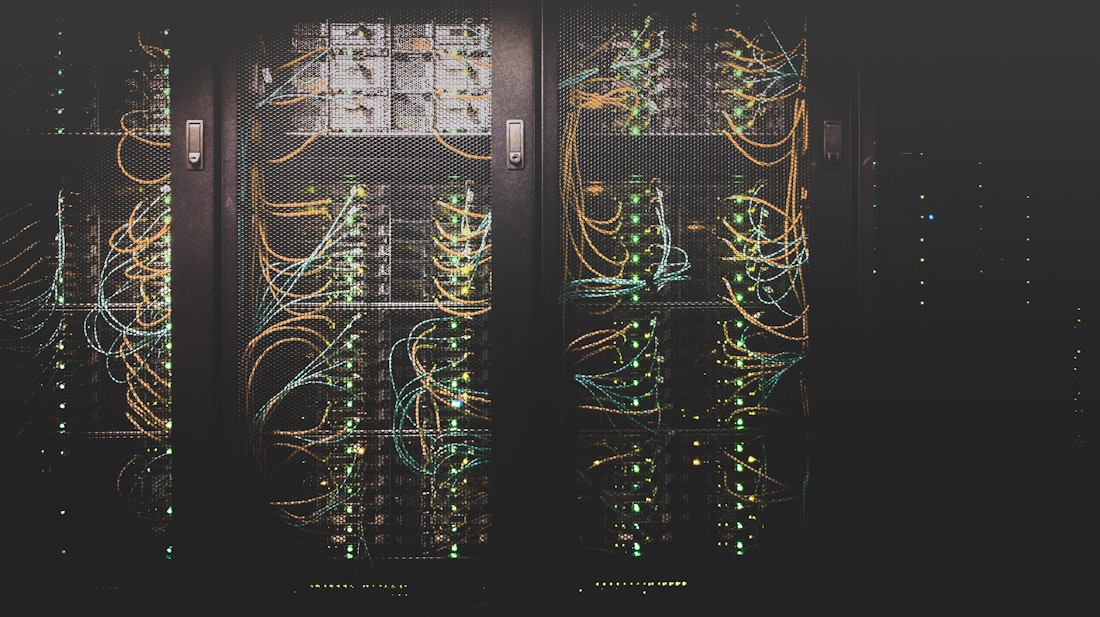
Both Isolate an Agent, but at Very Different Depths
A virtual machine gives an AI agent an entire simulated computer — its own operating system kernel, its own virtualized hardware — running on top of a hypervisor that keeps it fully separated from the host system and every other VM on it. A sandbox is a lighter-weight isolation boundary, typically sharing the host's operating system kernel while restricting what a process running inside it can see or do — which files it can access, which network calls it can make, which system calls are even available to it. Both aim to contain what an agent can affect if something goes wrong, but they draw that containment line at very different depths of the system.
The practical consequence of that depth difference is a trade-off between isolation strength and cost: a full VM's separate kernel means a compromise inside it has a much harder time reaching the host system, but that isolation comes with real overhead in startup time and resource use. A sandbox starts faster and uses fewer resources, which matters when an agent might spin up dozens of short-lived execution environments in a single session, but a shared kernel means a sufficiently severe flaw could, in principle, be exploited to escape the sandbox in a way that's structurally harder to achieve against a full VM boundary.
Where This Actually Matters for an Agent Running Code
For an agent that's asked to write and execute code — the single most common reason to isolate an agent's execution at all — the choice between a VM and a sandbox usually comes down to what that code needs to do and how much you trust it going in. Code performing straightforward, well-understood operations on data the agent already has access to is a reasonable fit for a sandbox: fast, cheap, and sufficient isolation for a task that isn't intentionally trying to break out of its container. Code from a less trusted source, code that will run in an environment processing genuinely sensitive data, or a task where the consequence of a successful escape would be severe, shifts the calculation toward the stronger isolation of a full VM, since the added cost is a reasonable price for meaningfully reducing the worst-case outcome.
It's worth noting that modern container and sandbox technology has narrowed this gap significantly compared to a few years ago — techniques like gVisor and Firecracker use lightweight virtualization specifically to get much of a VM's isolation strength with much closer to a sandbox's speed and resource efficiency, which is part of why the practical choice today is often less binary than the traditional VM-versus-sandbox framing suggests.
Matching the Isolation Level to the Actual Risk
The right choice isn't universal — it depends on what the agent's code is doing and what's at stake if isolation fails.
Trusted code, no sensitive data
A lightweight sandbox is usually sufficient — fast, cheap, and the consequence of a rare escape is limited.
Untrusted or generated code, no sensitive data
Still often sandbox-appropriate, but pair it with strict resource limits and network egress restrictions as an extra layer.
Any code processing sensitive data
Lean toward a full VM or a hardened lightweight-VM technology, since the cost of a successful escape is meaningfully higher here.
High-volume, short-lived executions
Favor whichever option meets your isolation bar at the lowest overhead, since cost compounds fast at scale — this is where the newer lightweight-VM technologies often win.
Why This Choice Is Rarely Made Explicitly Enough
A surprisingly common pattern in early agent deployments is defaulting to whatever isolation mechanism a particular framework or cloud provider makes easiest to set up, without a deliberate assessment of whether that default's isolation strength actually matches the task's risk level. This isn't necessarily wrong — many frameworks default to reasonable choices — but it means the isolation decision is often made implicitly, by whoever picked the framework for unrelated reasons, rather than deliberately, by someone who's actually weighed the specific risk of the code this particular agent will be running.
This matters because the same framework, with the same default isolation setting, might be entirely appropriate for one team's low-stakes internal tool and meaningfully under-protective for another team using it to process customer data — the framework's default doesn't know the difference, and only a deliberate review of the actual use case catches the mismatch.
Isolation Doesn't Substitute for Permission Scoping
Even the strongest available isolation — a full VM with no shared kernel at all — doesn't help if the agent running inside it is still handed broad credentials to external systems and sensitive data. Isolation contains what happens if the agent's own execution environment is compromised or misbehaves; it does nothing to limit what the agent can legitimately access and potentially misuse through its normal, intended tool calls. The two protections are complementary, not substitutes — a heavily isolated agent with overly broad permissions is still a meaningfully risky agent, just risky in a different way than an unisolated one.
Is Sandboxing Ever Actually Riskier Than Running an Agent With No Isolation at All?
Not in any meaningful sense — even a lightweight sandbox is a substantial improvement over no isolation whatsoever, since it still restricts file access, network calls, and system calls compared to an agent's code running with the full privileges of the host process. The real risk of choosing a sandbox over a VM isn't that it's dangerous on an absolute scale, it's that it might be insufficiently cautious relative to a specific task's actual stakes — a relative risk, not an absolute one, and one worth weighing deliberately rather than assuming any isolation at all is automatically enough.
Escape Vulnerabilities Get Patched, but Not Instantly
Both container/sandbox technologies and virtualization hypervisors have had documented escape vulnerabilities discovered and patched over the years — no isolation boundary is a permanent, unconditional guarantee, and both categories depend on keeping the underlying technology patched and current to maintain their intended protection. Treating either option as a “set it and forget it” security control, without a process for tracking and applying updates to the isolation technology itself, undermines the protection either approach is meant to provide, regardless of which one was chosen.
A Simple Starting Question for Any New Agent Deployment
Before deploying any agent that executes code, ask directly: what's the worst thing this code could do if the isolation boundary around it failed completely, and is that worst case acceptable? If the honest answer is “no, that would be a serious problem,” that's a clear signal to invest in the stronger isolation of a full VM or a hardened lightweight-VM technology, rather than defaulting to whatever a framework happened to make easiest to configure out of the box.
Cost Modeling Should Account for Cold-Start Frequency, Not Just Per-Instance Overhead
When comparing the resource cost of a VM against a sandbox for a given workload, the meaningful number isn't just the overhead of a single instance — it's that overhead multiplied by how often new instances actually spin up for the task at hand. An agent that processes a steady trickle of requests, each needing a fresh isolated environment, accumulates the cost difference between a VM and a sandbox far faster than an agent that spins up one long-lived isolated environment and reuses it across many requests, which is worth modeling explicitly before assuming a given isolation choice is affordable at the volume a specific deployment will actually see.
Vendor Marketing Doesn't Always Distinguish These Clearly
Several agent platforms describe their execution environment as “sandboxed” or “isolated” without specifying which of these two approaches, or which specific technology within them, they actually use — a term like “sandbox” gets applied loosely enough in marketing material that it doesn't reliably tell you whether you're getting a shared-kernel container or something closer to full virtualization. Asking a vendor directly which specific isolation technology underlies their claimed sandboxing, and what its documented resource and blast-radius limits are, is a reasonable due-diligence step before trusting a platform's isolation claims for anything genuinely sensitive, rather than accepting the word “sandbox” at face value as if it described one single, well-defined thing.
Bottom Line
A full VM and a lightweight sandbox both isolate an agent, but at different depths — a VM's separate kernel is structurally harder to escape at the cost of more overhead, while a sandbox is faster and cheaper but shares the host's kernel. Match the isolation level to what's actually at stake if it fails, remember that isolation doesn't substitute for scoping the agent's actual permissions, and keep whichever technology you choose patched and current.
More AI Guides, Written Clearly
Browse our full library of AI tool guides, updated regularly as models and features change.
More from the creator
Explore two other projects from the same creator.