AI Image Scams: Can Fake Screenshots Fool People?
Yes, easily — a fabricated screenshot of a bank transfer confirmation, a text message exchange, or a breaking news alert can be generated in seconds and looks convincing enough to fool most people who see it briefly, especially shared out of context on social media or in a message from someone they trust. Here's how these fake screenshots are actually made, why they work, and what to check before believing one, whether it arrives from a stranger or someone you already trust.
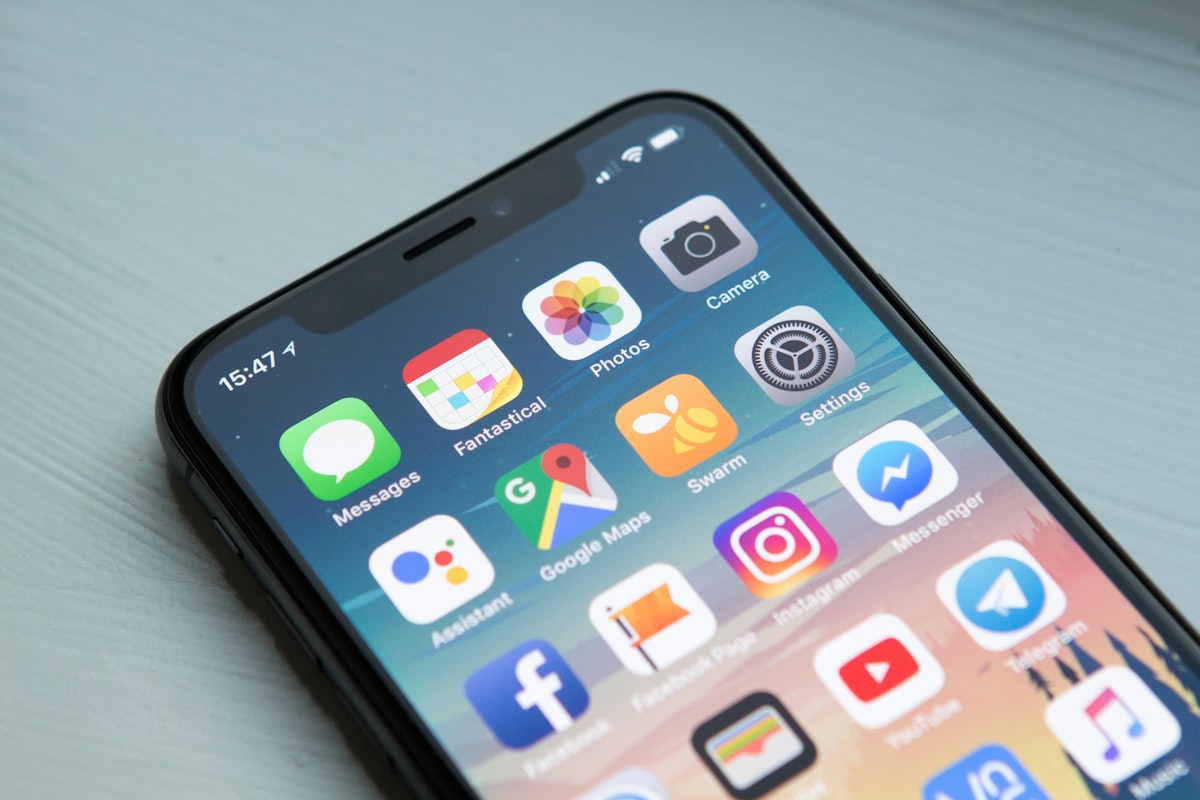
A convincing fake screenshot takes seconds to generate and only a glance to believe.
Generating a Convincing Fake Screenshot No Longer Requires Any Skill
A few years ago, faking a screenshot convincingly required real image-editing skill — matching fonts, replicating an app's exact interface, getting shadows and spacing right. Current AI image tools handle most of that automatically, producing a passable fake bank transfer confirmation, payment app screen, or text conversation from a simple text description, in seconds, with no editing skill required at all. The barrier to entry for this specific scam category has effectively dropped to zero.
The Three Most Common Categories of Fake Screenshot
Fake payment confirmations
A fabricated screenshot showing a completed transfer or payment, used to convince a seller goods have been paid for before they've actually shipped anything.
Fake official alerts
A convincing-looking bank fraud alert, government notice, or delivery company message, designed to create urgency that pushes a person toward clicking a link or calling a number.
Fake conversations
A fabricated text or chat exchange, sometimes used to fake evidence of a conversation that never happened, in personal disputes or scams targeting a specific relationship.
What's the Fastest Way to Check if a Screenshot Is Fake?
Ask the sender to demonstrate it independently — for a payment screenshot, ask them to show the actual transaction in your own banking app or payment platform's transaction history, not just another image of a screen. Screenshots are trivially easy to fabricate; live, independently-verifiable confirmation through the actual platform involved is not. This single step defeats the vast majority of fake-screenshot scams, because a scammer showing a fabricated image has no way to produce a real, independently checkable transaction to match it.
Marketplace and Rental Scams Are a Major Use Case
A common pattern on online marketplaces and rental listings involves a buyer or renter sending a fabricated payment confirmation, pressuring the seller to release goods, hand over keys, or ship an item before checking their own account for the actual funds. The urgency built into these interactions — a buyer claiming they need the item shipped immediately, or a renter claiming they're about to lose the apartment to someone else — is a deliberate pressure tactic designed to shorten the window a seller has to actually verify anything before acting.
Sellers and landlords who've adopted a strict "verify in my own account first, every single time, no exceptions" policy report this closing off the scam almost entirely, since it removes the time pressure the scam depends on to work.
A related variant targets sellers on peer-to-peer resale apps specifically, where a fabricated screenshot claims payment was sent through a third-party method outside the app's own protected transaction system, encouraging the seller to ship before the platform's own payment confirmation would have arrived. Staying strictly within a platform's built-in payment and confirmation system, rather than accepting a claimed external transfer on faith, closes this specific variant just as effectively.
How to Spot a Fake Screenshot on Closer Inspection
Check for inconsistent fonts or spacing that doesn't quite match the real app or platform being imitated, unusual alignment in numbers or dates, and details that don't add up — a transaction time that doesn't match when the message claims it was sent, or an account name that's slightly different from what you'd expect. None of these checks are foolproof on their own, since AI-generated fakes keep improving, which is exactly why independent verification through the actual platform remains the more reliable method rather than visual inspection alone.
Customer Service Teams Are a Frequent Target for This Exact Scam
Support and customer service staff handling refund or delivery disputes are a particularly common target, since a fabricated screenshot of a "failed delivery" notice or a "duplicate charge" can be used to extract a refund or replacement for something that was never actually sent back or never actually double-charged. Training frontline staff specifically on this pattern — verify through internal systems, never take a submitted screenshot as sufficient proof on its own — closes a gap that's often overlooked in more general fraud-awareness training, which tends to focus on phishing rather than this more specific fabricated-evidence pattern.
Building a simple internal policy around this, and making sure every team member handling disputes actually knows it exists, tends to be far more effective than relying on individual judgment call by call, especially for newer staff who haven't yet encountered the pattern themselves.
Urgency Is the Tell, Almost as Often as the Image Itself
Nearly every fake-screenshot scam pairs the fabricated image with some form of time pressure — a buyer who needs the item shipped in the next hour, a renter who'll lose the apartment to someone else if you don't respond immediately, a bank alert claiming your account will be frozen unless you act now. This isn't a coincidence; urgency is doing real work for the scammer, shrinking the window in which a target might otherwise pause and verify independently. Recognizing the urgency pattern itself, separate from evaluating the image, is often the faster tell, since legitimate transactions and notices rarely require an instant, unverified response with no room to check first.
Can AI Detection Tools Reliably Spot a Fake Screenshot?
Detection tools exist and continue to improve, but they aren't consistently reliable across every kind of fake, particularly simpler fabrications that don't rely on complex image generation techniques the detectors are specifically tuned to catch. Treating detection tools as one signal among several, rather than a definitive verdict, is the more realistic way to use them right now — independent verification through the actual platform remains the stronger check.
Is It Illegal to Create or Send a Fake Screenshot Like This?
Using a fabricated screenshot to facilitate fraud — to obtain goods, money, or services under false pretenses — is generally illegal in most jurisdictions, falling under existing fraud laws regardless of how the fake image was produced. The novelty is in the tool used to create the fake, not in the legal status of using deception to defraud someone, which existing law already covers regardless of the technology involved.
The Same Techniques Are Moving Into Video, Not Just Still Images
Fake screenshots are the current, most accessible version of this problem, but the same underlying AI capability is extending into short fabricated video clips — a fake video call snippet, a fabricated screen recording. The verification principle stays exactly the same regardless of format: independent confirmation through a channel the scammer can't fabricate beats visual inspection of the media itself, whether that media is a still image or a video clip. Building that verification habit now, before video fakes become as common as screenshot ones, means it's already second nature by the time it matters most.
Bottom Line
Fabricated screenshots can now be generated convincingly in seconds with no editing skill required, which makes independent verification through the actual platform involved — not visual inspection of the image — the most reliable defense. Treat any screenshot presented as proof of a payment, message, or official notice as unverified until confirmed through your own account or the platform directly, no matter who sent it or how urgent it seems.
More AI Guides, Written Clearly
Browse our full library of AI tool guides, updated regularly as models and features change.
More from the creator
Explore two other projects from the same creator.