AI Smart Glasses in 2026: Meta vs. Google vs. Samsung, Compared
For the past three years, "AI smart glasses" has basically meant one brand. Meta made a camera-and-AI pair of Wayfarers feel normal to wear, and nobody else came close. That's about to change. Google is bringing Gemini to a pair of frames this fall, built with Samsung's hardware and two real eyewear brands behind the design, and the two-horse race the category has needed since 2023 is finally here. Here's exactly what's shipping, what's still vaporware, and how to actually decide between them.
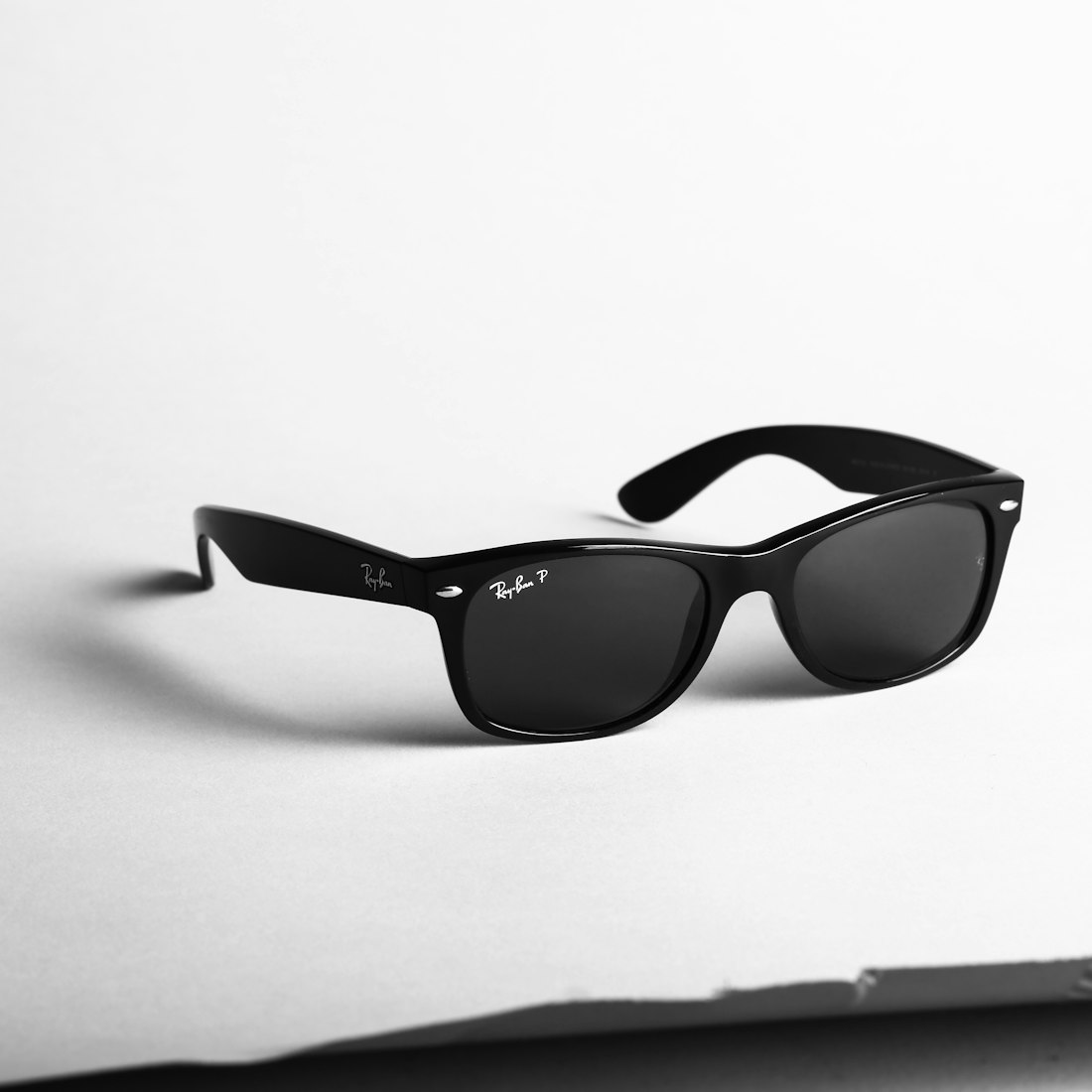
Meta's approach with Ray-Ban made smart glasses look and feel like ordinary eyewear — the design choice that unlocked mainstream adoption in the first place.
Meta Still Leads, But Not for Long
As of late August 2026, Meta is the smart glasses market. Between the Ray-Ban Meta line and its own newly-branded Meta Adventurer, Meta Fury, and Meta Glasses by Kylie models, Meta and manufacturing partner EssilorLuxottica hold roughly 80% combined market share. That dominance didn't happen by accident — Meta solved the "do I really want to wear that?" problem that sank Google Glass back in 2013, by hiding cameras, microphones, and AI processing inside frames that look and feel like ordinary Wayfarers, priced accessibly and sold through actual optical retailers.
Google is done watching from the sidelines. At Google I/O 2026, the company unveiled "Intelligent Eyewear" — its rebrand for the category — built on Android XR and powered by Gemini AI, with a confirmed fall 2026 launch and, notably, confirmed iPhone support from day one. Samsung is the hardware engineering partner, handling miniaturized electronics, battery technology, and manufacturing scale; Warby Parker and Gentle Monster are supplying the actual frame designs, with a Gucci collaboration through Kering Eyewear slated for 2027. Qualcomm is providing the Snapdragon silicon underneath it all.
What's Actually Different

Meta's five-brand lineup versus Google's three-partner design strategy reflects two very different bets on how people choose glasses.
| Meta (Ray-Ban / Meta brand) | Google (Android XR) | |
|---|---|---|
| AI model | Meta AI / Muse Spark (wearable-specific) | Gemini |
| Frame partners | Ray-Ban, Oakley, in-house Meta brand | Samsung, Warby Parker, Gentle Monster (Gucci in 2027) |
| Starting price | $299 | Not yet announced |
| iPhone support | Yes, established | Confirmed at launch |
| Display option | Yes — Meta Ray-Ban Display, 600×600px in-lens screen | Optional, positioned as secondary to audio-first design |
| Launch status | Shipping now, multiple generations deep | Fall 2026, first consumer release |
| Market position | ~80% share, established software | Challenger, deeper Google/Android ecosystem tie-in |
The most direct head-to-head is Meta Ray-Ban Display against whatever Google ships with an in-lens screen. Meta's Display model already exists: a 600×600-pixel waveguide display built into the right lens, paired with a wrist-worn Neural Band for gesture-based input — no touching the frame required. Google's approach leads with audio-first "intelligent eyewear," treating the in-lens display as an optional add-on rather than the headline feature, a deliberate contrast to Meta's more display-forward bet.
Samsung, Rokid, and the Rest of the Field
Meta and Google aren't the whole story. Samsung's own Galaxy Glasses, running Gemini AI on Android XR, target a fall 2026 launch alongside Google's release, aimed squarely at Ray-Ban Meta's camera-plus-AI segment specifically. Rokid's lighter-weight display glasses have already hit the top of the global display-AI category by unit sales, at 49 grams, undercutting both Meta and the still-unreleased Google hardware on weight. XREAL continues to serve the higher-end AR-display segment, with pricing now starting around $1,500 for its base configuration.
Apple, notably, remains absent from the category as a shipped product. Reports throughout 2026 indicate Apple has pushed its lighter, cheaper Vision device toward 2028 and shifted engineering resources toward its own smart glasses instead — but as of this writing, nothing has been announced publicly. If Apple does enter, its track record of arriving late to a hardware category and redefining it (as it did with smartphones and, more mixed, with the Vision Pro) means its eventual move is worth watching even from the sidelines.
Why the AI Model Matters More Than the Frame
It's tempting to compare smart glasses the way you'd compare regular eyewear — style, weight, price — but the AI model running behind the camera is what actually determines whether the glasses are useful day to day. Meta's June 2026 lineup shipped with Muse Spark, described as Meta's first AI model built specifically for wearable inference: smaller, faster, and tuned for the tight power budget a pair of glasses has to work within, rather than a scaled-down version of a general chatbot model. Google's approach routes queries through Gemini directly, leaning on the same assistant already integrated across Android, Search, and Workspace — the pitch being continuity rather than a purpose-built wearable model.
That distinction matters for battery life and responsiveness as much as raw capability. A wearable-specific model that runs more inference on-device, the way Muse Spark is designed to, generally means faster responses and less battery drain from constant cloud round-trips. A cloud-first assistant like Gemini can lean on far more compute for complex questions, at the cost of needing a solid connection and, potentially, more battery spent on radio use. Neither approach is objectively better — it's a genuine trade-off between snappy simple tasks and deeper reasoning power, and it's likely to be the real battleground as both companies iterate through 2027.
What You're Actually Giving Up
Every AI smart glasses pair on the market shares the same fundamental trade-off: to be useful, they need to see and hear continuously, at least in short bursts, which is a meaningfully different privacy posture than a phone sitting in your pocket. Most brands include a small visible LED that lights up while recording, intended to signal to bystanders that they're being filmed — but critics, including privacy researchers, have repeatedly pointed out how easy that light is to miss, obscure with a finger, or simply not notice in a crowded space. Unlike a phone held up to record, glasses can capture footage without anyone realizing a camera is even active.
Voice is a second, separate concern. Hands-free AI assistance generally requires some form of always-listening capability for wake-word detection, meaning audio is processed locally (and sometimes sent to the cloud) far more often than most wearers realize. If you're weighing a pair of these, it's worth reading the specific brand's privacy policy on what audio and video is stored, for how long, and whether it's used to train future models — the answer varies meaningfully between manufacturers and isn't always prominent in marketing materials.
Buy Today or Wait for Fall
- You want something that exists today with years of software refinement behind it
- You care about style variety — Ray-Ban, Oakley, and Meta's own line cover very different looks
- You want the option of an in-lens display right now, not "eventually"
- $299 is closer to your budget than an unannounced Google price point
- You're deep in the Android and Gemini ecosystem already
- You want to compare real competing options rather than the only mainstream choice
- Frame aesthetics from Warby Parker or Gentle Monster appeal to you more than Meta's current lineup
- You're not in a hurry and would rather see how the first real rivalry shakes out
The honest answer for most people: if you want AI glasses today, Meta remains the only mature, fully shipping option, and there's little reason to wait if the style and price fit what you're after. If you can hold off until this fall, you'll get to compare two genuinely competing products side by side for the first time — and competition in this category, still finding its footing three years after Meta's original launch, should only make both options better.
Frequently Asked Questions
What's the best AI smart glasses brand in 2026?
Meta currently dominates with roughly 80% combined market share (with EssilorLuxottica) across the Ray-Ban Meta and Meta-branded lines, offering the most mature software and widest style selection available today. Google's Gemini-powered Android XR glasses, built with Samsung, Warby Parker, and Gentle Monster, launch fall 2026 and are widely expected to be the most serious competitor, especially for anyone already in the Android and Gemini ecosystem.
Do AI smart glasses have privacy risks?
Yes. Camera- and microphone-equipped glasses raise real concerns for bystanders who haven't consented to being recorded, and the always-listening design needed for hands-free AI assistance means audio data is processed more often than most people realize. Most brands include a visible recording light, but critics note it can be easy to miss or cover.
Will smart glasses actually replace smartphones?
Not yet, and not soon. Current AI smart glasses are built to supplement a phone, handling quick voice queries, photos, and navigation, not to replace one outright. Meta's own consumer AR successor to Orion isn't expected until 2027 to 2028, and full-featured AR glasses capable of replacing a smartphone's screen remain a longer-term bet across the industry.
More AI Tool Guides, Written Clearly
Browse our full library of AI explainers, updated as the tools and hardware change.
More from the creator
Explore two other projects from the same creator.