Best AI Tools for Mathematics in 2026
Math AI tools split into two categories that solve different problems: exact computation engines like Wolfram Alpha, and natural-language explainers like Claude and ChatGPT. The strongest results come from pairing them, not picking one.
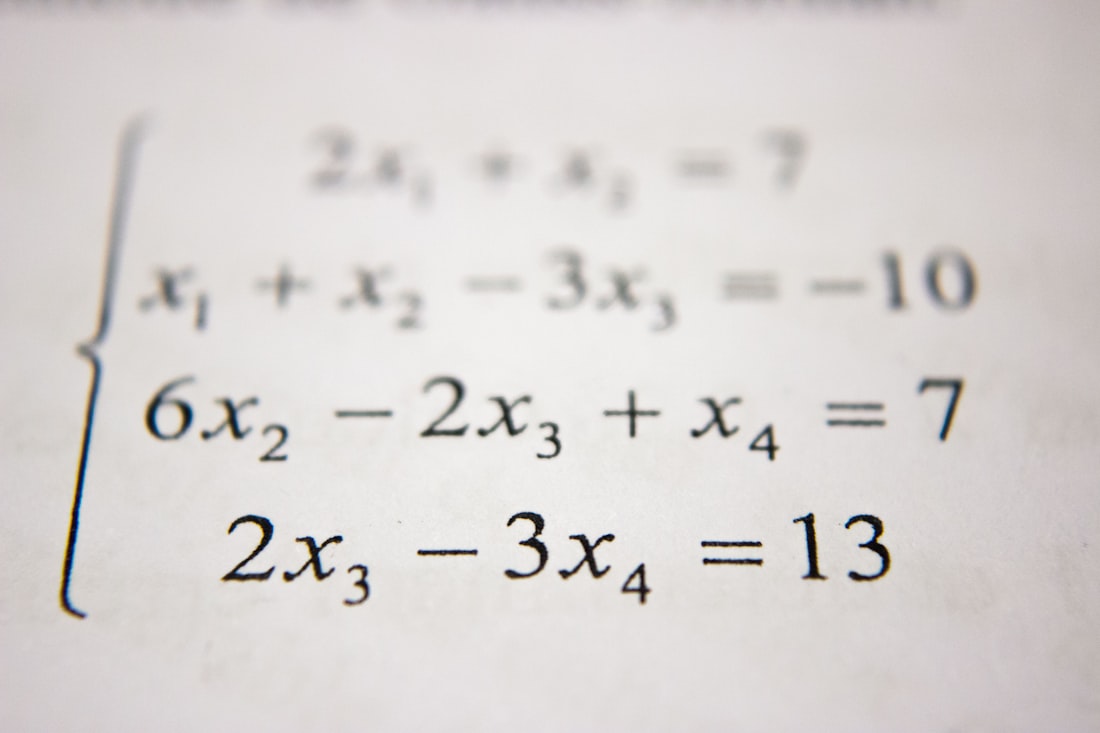
A language model predicts plausible text; a computation engine actually calculates — pairing both catches what either misses alone.
Split Between Exact Computation and Natural-Language Explanation
Math AI tools in 2026 split cleanly into two categories that solve different problems, and the best choice depends on which one you actually have. For exact symbolic computation — derivatives, integrals, matrix algebra, precise graphing — Wolfram Alpha remains in a category of its own, built specifically for correctness rather than conversation. For natural-language explanation, word problems, and understanding the reasoning behind a solution, general models like Claude and ChatGPT (running their reasoning-focused modes) now lead, with Photomath as the simplest entry point for scanning a handwritten or textbook problem on a phone.
The practical rule that avoids most mistakes: use a general chatbot to understand why a method works and to work through a word problem's setup, then verify the actual final numeric or symbolic answer with Wolfram Alpha before trusting it on graded work. Treating a general model's math as a first draft rather than a final answer catches the errors that still show up on complex multi-step arithmetic even in strong models.
Why General Models Still Make Arithmetic Mistakes
A language model generates a math solution the same way it generates any other text — by predicting the most plausible next token based on patterns learned during training, not by running an internal calculator. For well-structured problems that closely resemble patterns seen often in training — standard algebra, common calculus setups — this works remarkably well. For long chains of exact arithmetic, or problems requiring many precise intermediate steps where a single early error cascades, this token-by-token approach is inherently more error-prone than a dedicated symbolic computation engine that's actually calculating rather than predicting.
This is exactly why pairing a reasoning-focused model with Wolfram Alpha isn't redundant — the model understands and explains the problem in language a person can follow, while the computation engine verifies the model didn't make a silent arithmetic slip along the way. Used together, each covers the other's specific weak point.
A general model explains the reasoning; a dedicated computation engine verifies the arithmetic actually holds up.
Six Tools Across Computation and Explanation
Grouped by whether the tool's job is computing an exact answer or explaining the reasoning behind one.
Wolfram Alpha
The unmatched choice for exact symbolic computation, graphing, and unit conversion. Free for basic queries, with a paid Pro tier for step-by-step solutions and more complex input.
Photomath
Point a phone camera at a printed or handwritten problem for instant step-by-step solving. The easiest entry point for students, with a generous free tier.
Claude or ChatGPT (reasoning mode)
Strong at explaining the why behind a method, working through word problems, and handling undergraduate calculus, linear algebra, and differential equations with shown work.
Symbolab
A popular math answer engine covering algebra through statistics, often showing multiple solution paths for the same problem — useful for seeing more than one valid approach.
Gemini (math-focused modes)
A strong free option for math reasoning, particularly through Google AI Studio, competitive with paid tiers of other general models on standard coursework.
MathGPT
A narrower, math-only tool with a generous free tier, appealing if you specifically don't want a general-purpose assistant that also writes essays.
Matching the Tool to the Level of Math
For arithmetic through algebra and standard high-school calculus, Photomath or a general model handles the explanation well, and errors are rare enough that verification matters less. For college-level calculus, linear algebra, and differential equations, a reasoning-focused general model can outline and often complete the work, but verifying the final answer against Wolfram Alpha is worth the extra step on anything graded. For genuinely advanced or research-level math — formal proofs, competition-style problems — treat AI output as a draft to check carefully rather than a finished answer, and consider a formal proof assistant like Lean paired with AI assistance for anything that needs to be machine-verified.
AI Should Support a Tutor, Not Replace One
These tools can explain steps, generate practice problems, and check your answers, but they don't diagnose why a specific student keeps making a specific kind of mistake, and they don't adapt teaching style the way an attentive human tutor does. They're strongest as a study assistant and a verification layer, weakest as a full substitute for a tutor when a student needs real diagnosis of a persistent gap in understanding rather than just another explanation of the same method that hasn't worked yet.
Can I Trust an AI's Answer to a Calculus Problem Without Checking It?
For a homework problem where getting it slightly wrong just means redoing a step, using the AI's answer directly is low-risk. For anything graded, timed, or feeding into a further calculation where an early error would compound, verify the final numeric or symbolic result against Wolfram Alpha before submitting. This isn't about distrusting the tool broadly — it's about the specific, well-documented failure mode of long arithmetic chains, which even strong reasoning models still occasionally get wrong in ways that are easy to miss without a check.
Competition Math Has Its Own Specialized Tools
For students specifically preparing for AMC, AIME, or olympiad-style competitions, some tools now generate progressively harder practice problems mimicking those exact styles rather than generic textbook exercises. This is a narrower use case than everyday coursework, but worth knowing about separately since the practice problem style genuinely matters for competition prep — a tool generating standard textbook problems doesn't build the specific pattern recognition competition math actually rewards.
A Simple Two-Tool Habit Worth Building
The single highest-value habit for anyone using AI for math seriously: whenever a problem's answer will actually be graded or matters for a further step, run it through both a reasoning-focused general model for the explanation and Wolfram Alpha for verification, and only trust the answer once both agree. This costs an extra minute per problem and catches a meaningful share of the errors that would otherwise go unnoticed until a graded result comes back wrong.
Unit Errors Are a Different Failure Mode Than Arithmetic Errors
Beyond plain arithmetic mistakes, a separate and easy-to-miss failure mode shows up specifically in applied math and physics-adjacent problems: a model can carry out every calculation correctly while quietly dropping or mismatching a unit somewhere in a multi-step conversion, producing a numerically plausible but dimensionally wrong final answer. This is a good specific reason to lean on Wolfram Alpha for anything involving unit conversion or applied physics calculations, since it treats units as a first-class part of the computation rather than an afterthought layered on top of a numeric answer.
Free Wolfram Alpha Has Real Limits Worth Knowing Upfront
The free tier of Wolfram Alpha gives a final answer but often withholds the full step-by-step working, which is exactly the part a student actually needs to learn the method rather than just check a result. The paid Pro tier unlocks that step-by-step view, and for a student using this tool regularly for coursework, that upgrade is often worth the modest monthly cost precisely because a bare final answer without the steps teaches almost nothing about how to solve the next similar problem independently.
Build a Habit Around One Verification Step, Not a New Tool
The change most worth making isn't adding another subscription to an already-crowded toolkit — it's building the single habit of running any AI-generated math answer that matters through a second, independent check before trusting it. Whether that second check is Wolfram Alpha, a different general model, or working the problem by hand for the final step, the habit itself is what actually prevents the specific, well-documented failure mode this guide has focused on, far more than any one tool choice does on its own.
Some Tools Let a Model Switch Mid-Problem
A newer pattern worth knowing about: a few math-focused platforms now route a single problem across multiple underlying models automatically, switching to a different one if the first struggles with a particular problem type, rather than locking you into whichever model the platform originally launched with. This matters because no single model is uniformly best across every branch of math — one might handle geometry particularly well while another is stronger on statistics — and a tool that can switch automatically saves you the manual work of trying a struggling problem in a second tool yourself.
Bottom Line
Math AI tools split into computation engines and explanation engines, and the strongest results come from pairing them rather than picking one — a reasoning-focused model like Claude or ChatGPT for understanding the method, Wolfram Alpha for verifying the exact answer. Photomath remains the easiest entry point for a quick scanned problem, and for anything graded, the extra minute spent cross-checking both tools is worth it.
More AI Guides, Written Clearly
Browse our full library of AI tool guides, updated regularly as models and features change.
More from the creator
Explore two other projects from the same creator.