Best AI Tools for Writing in 2026
AI writing tools split into three layers — general models that draft, marketing platforms that wrap those models in workflow tooling, and editors that polish what's already written. Confusing the three is why so many “best AI writing tool” rankings feel contradictory.
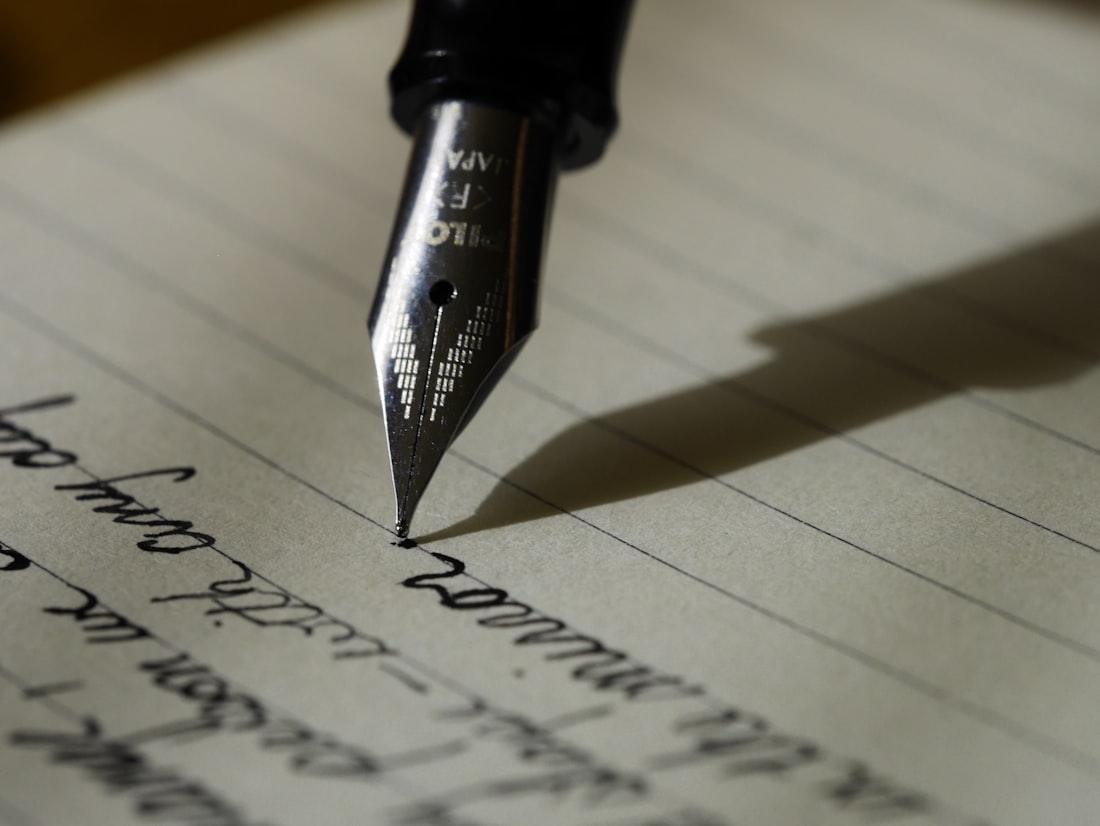
Most working writers in 2026 use a stack of two or three tools rather than a single all-purpose one.
The Market Split Into Engines, Wrappers, and Editors
AI writing tools in 2026 fall into three layers, and confusing them is why so many comparisons feel muddled. General-purpose models — ChatGPT, Claude, Gemini — are the engines, doing the actual drafting and reasoning. Marketing platforms like Jasper, Copy.ai, and Writesonic are wrappers built on top of those same engines, adding brand voice controls, templates, and workflow tooling most of these platforms are upfront about running on OpenAI, Anthropic, or Gemini models underneath. Editors like Grammarly fix what's already written rather than generating anything new.
For most people writing in their own voice, Claude produces the most natural long-form prose, with ChatGPT close behind as the more versatile all-rounder for brainstorming and quick drafts. The answer changes with the job: Jasper for brand-governed marketing teams, Grammarly for polishing a draft, Perplexity when the writing needs live, cited research folded in.
Why Paying for a Wrapper Sometimes Makes Sense Anyway
If Jasper, Copy.ai, and similar platforms run on the same underlying models as ChatGPT and Claude, the natural question is why anyone pays $59 a month for the wrapper instead of using the engine directly. The honest answer is workflow, not raw writing quality — brand voice enforcement across many contributors, approval chains, content calendars, and SEO scoring built into the same interface. A solo writer gets little from this; a marketing team publishing dozens of assets a week with consistent tone across contributors genuinely does.
This is also why the AI writing tool graveyard is full of thin wrappers that added little beyond a prompt template over a general model — several shut down in 2026 as ChatGPT's own features absorbed what made them useful in the first place. Before paying for a specialized platform, it's worth asking specifically what it adds beyond what the underlying model already does for free or at a lower cost.
A wrapper platform earns its price through workflow — brand voice, approvals, team consistency — not through better raw prose than the engine underneath it.
Nine Tools Across the Three Layers
Grouped by which layer of the writing stack each one actually occupies.
Claude
The strongest raw prose quality for long-form, essay-style writing — superior structure, accuracy, and instruction-following. Usable free tier, $20/mo for Pro.
ChatGPT
The most versatile all-rounder for brainstorming, first drafts, and quick edits, with the broadest reach of any writing tool. Free tier available, Plus at $20/mo.
Grammarly
The near-universal editing layer — catches grammar, clarity, and tone issues on top of whatever drafted the text. Free plan includes 100 AI prompts a month.
Jasper
Brand-governed marketing content across many contributors — templates, approval workflows, and consistent voice at scale. Priced for teams, not solo writers.
Perplexity
The strongest research layer for writing that needs live, cited facts folded directly into the draft rather than pulled from a general model's training data.
Surfer SEO
Real-time content optimization against actual search results — not a writer itself, but the tool of choice when the goal is content that ranks.
Sudowrite
Built specifically for fiction, running on a mix of Claude, OpenAI, and its own in-house model tuned for narrative voice rather than marketing copy.
QuillBot
Paraphrasing and rewriting across multiple modes (Formal, Academic, Creative), plus a built-in grammar checker and citation generator, popular in academic workflows.
Copy.ai
Sales and go-to-market workflow automation built on the same major model families, positioned more as a GTM tool than a pure writing assistant.
Building a Stack by Role, Not by Feature List
A blogger or solo content creator does well with ChatGPT or Claude for drafting plus Grammarly for editing — roughly the minimum stack that covers most needs. A marketing professional producing volume across a team benefits from Jasper or Copy.ai for generation plus Grammarly for consistency. A student or academic writer leans on QuillBot for paraphrasing plus Grammarly's free tier. A fiction writer pairs Sudowrite for drafting with Grammarly for polish. None of these stacks need to cost more than $30 to $60 a month combined, and the free-tier-only version of each stack still covers the bulk of most people's actual writing needs.
The Real Workflow Is Stacked, Not Single-Tool
The most accurate description of how working writers actually use these tools in 2026 isn't "pick the best one" — it's a stack: draft in Claude or ChatGPT, pull in research through Perplexity when accuracy matters, run SEO shaping through Surfer if the piece needs to rank, and finish with Grammarly for polish and tone consistency. Presenting any one tool as the complete answer oversimplifies how the category actually gets used by people writing professionally at volume.
This stacked reality is also why year-over-year "best AI writing tool" rankings shuffle so much — the tools aren't necessarily getting worse or better relative to each other, the honest answer has just always been "it depends on which part of the writing process you're stuck on."
Which AI Writing Tool Has the Best Free Tier?
ChatGPT's free tier gives the clearest capability advantage — unlimited text conversations on its lightest model, handling most everyday drafting, brainstorming, and editing needs without a subscription. Claude's and Gemini's free tiers are also genuinely usable, just with tighter usage limits. Grammarly's free plan covers 100 AI prompts a month, enough for a single paper or a few short pieces of writing without paying anything.
Voice Consistency Degrades the More You Rely on Templates
Marketing-focused platforms with heavy template libraries can produce writing that reads as noticeably generic once you've seen enough of it — a recognizable AI-marketing-copy cadence that readers increasingly notice and discount. Feeding a tool actual samples of your own past writing, and explicitly asking it to match that voice rather than defaulting to its own house style, produces output that reads far more like something a specific person wrote rather than a template filled in with your topic.
Start With One Tool for One Real Piece of Writing
Rather than assembling a full stack immediately, draft one real piece of writing you actually need — a blog post, an email, an assignment — start to finish in just one general model (Claude or ChatGPT), then run it through Grammarly's free tier for polish. That two-tool combination alone covers a meaningful share of what most people need, and it gives you a concrete basis for judging whether a specialized platform would add enough value to justify its cost.
Watch for Tone Drift Across a Long Document
A subtle failure mode worth knowing about: on a long document generated in one sitting, some models gradually drift in tone or vocabulary from the opening to the closing sections, even when instructed to maintain a consistent voice throughout. This is more common in wrapper tools with heavy templating than in a careful, well-prompted session with a general model, but it's worth a specific check on anything long — reading the first and last sections back to back, rather than only proofreading start to finish in order, is a fast way to catch drift that a normal read-through can miss.
A Short Style Sample Beats a Long Instruction
When trying to get any of these tools to match your own voice, a paragraph or two of your actual past writing pasted in as an example works far better than a long paragraph of instructions describing your style in the abstract — telling a model "write more casually" is vague and gets interpreted inconsistently, while showing it an actual casual paragraph you wrote gives it a concrete target to pattern-match against. This small change in how you prompt is one of the fastest ways to noticeably improve output quality across every tool in this list, general model or wrapper platform alike.
Plagiarism Checkers and AI Detectors Look at Different Things
It's worth not conflating a plagiarism checker with an AI detector, since they catch entirely different problems — a plagiarism checker flags text matching an existing published source, while an AI detector estimates the likelihood text was machine-generated regardless of whether it matches anything published. Content passed through a heavy paraphrasing tool like QuillBot can pass a plagiarism check cleanly while still reading as AI-generated to a detector, or vice versa, so relying on only one of the two checks gives an incomplete picture of how a piece of writing will actually be evaluated.
Bottom Line
AI writing tools split into engines, wrappers, and editors, and the right stack depends on the job rather than any single tool being universally best. For most people, Claude or ChatGPT for drafting plus Grammarly for polish covers the bulk of real writing needs at little or no cost — specialized platforms like Jasper earn their price mainly for teams that need brand-voice consistency across many contributors, not for solo writers.
More AI Guides, Written Clearly
Browse our full library of AI tool guides, updated regularly as models and features change.
More from the creator
Explore two other projects from the same creator.