California SB 942 Explained: What the AI Transparency Act Actually Requires
On August 2, 2026, California became the first U.S. state to enforce a comprehensive AI content-labeling law. SB 942, the California AI Transparency Act, forces the biggest AI companies to mark what their tools generate — but the details of who's covered, what counts, and what it means for regular users are easy to get wrong. Here's the plain version.
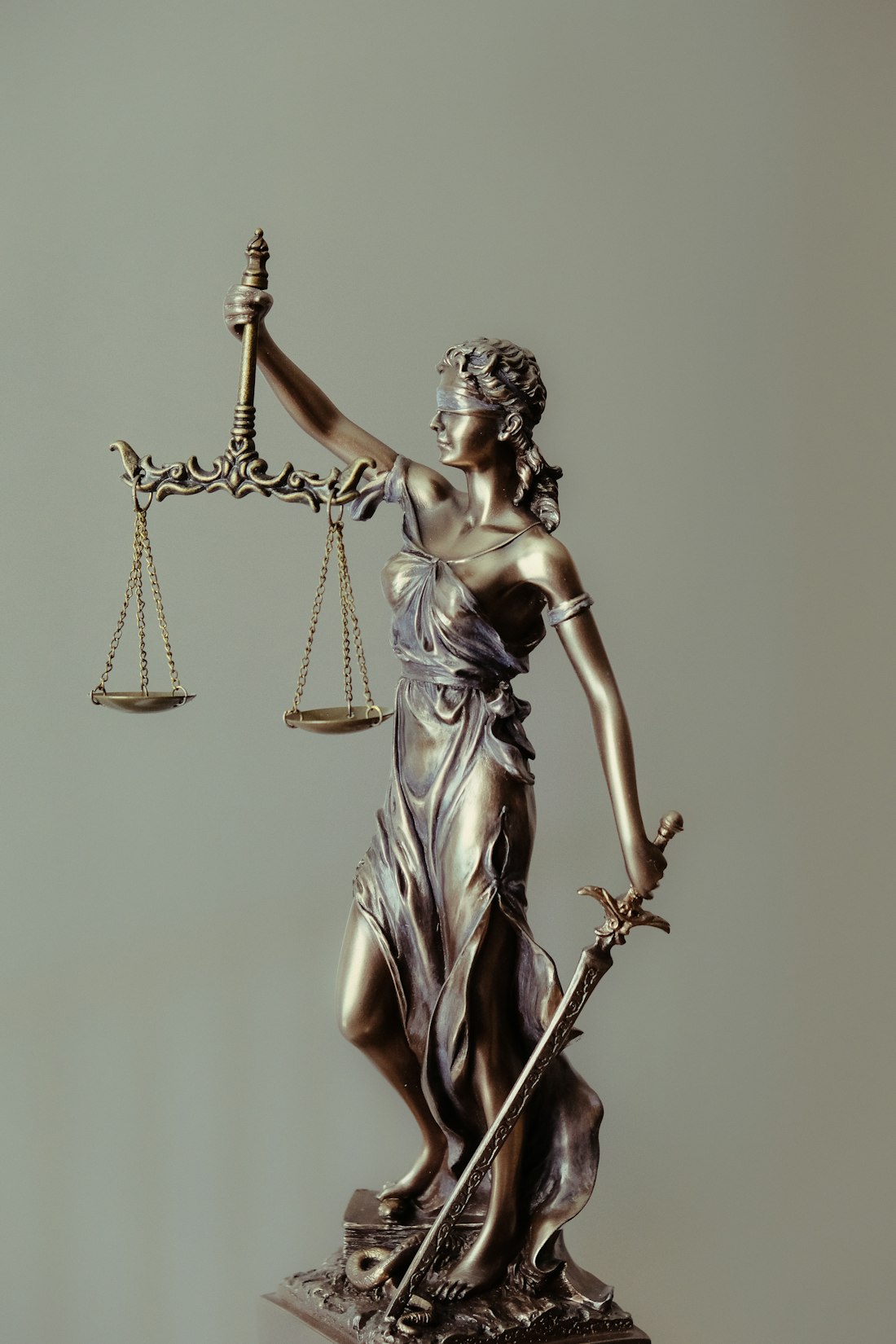
SB 942 was signed in September 2024 but didn't become operative until August 2, 2026, after a legislative delay aligned it with the EU AI Act.
SB 942 Forces Large AI Providers to Label Synthetic Media
California's AI Transparency Act, known as SB 942, requires "covered providers" of generative AI to make a free, public AI-detection tool available, and to embed disclosure information into the image, video, and audio content their systems generate. It was signed into law by Governor Newsom in September 2024, but its original January 1, 2026 start date was pushed back to August 2, 2026 by a follow-up bill, AB 853 — deliberately timed to line up with the EU AI Act's own transparency deadline on the same date.
The goal, stated plainly by the bill's author, is combating the spread of deepfakes: AI-generated content realistic enough to convincingly show real people saying or doing things they never did, used for everything from scams to nonconsensual imagery to political disinformation.
The Million-User Threshold
SB 942 applies to "covered providers" — defined as anyone who creates, codes, or otherwise produces a generative AI system with more than one million monthly visitors or users that's publicly accessible within California. That threshold is high enough to exempt most small developers and startups, but it captures every major foundation-model lab (OpenAI, Anthropic, Google DeepMind, Meta, SpaceXAI) along with any mid-sized image, audio, or video generation platform that's grown past that scale.
Latent and Manifest Disclosures
A free, public AI detection tool
Covered providers must offer a tool, at no cost, that lets anyone check whether a piece of content came from their system.
Latent disclosure — hidden, hard to remove
AI-generated image, video, and audio content must carry embedded, machine-readable metadata identifying the provider, the system version, and a timestamp — designed to survive ordinary editing.
Manifest disclosure — visible, optional for the user
Providers must give users the option to add a visible watermark or label. It's the user's choice to include it, but the capability has to exist and be easy to use.
Contractual pass-through to licensees
If a covered provider licenses its GenAI system to a third party who then disables these disclosures, the provider must revoke that license within 96 hours of finding out.
What SB 942 Does Not Cover
Text-only content
SB 942's watermarking requirements apply to image, video, and audio content, or combinations of those. AI-generated text on its own isn't covered by this particular law.
Smaller providers
Anything under the one-million-monthly-user threshold falls outside the law's current scope, regardless of how capable the underlying model is.
Content platforms and device makers — for now
Additional obligations for large online platforms, GenAI hosting platforms, and camera manufacturers begin phasing in starting January 1, 2027 and 2028 under AB 853's expanded scope.
Individual users making content
SB 942 puts the obligation on providers, not on the people using their tools. There's no requirement for an individual to personally label something they made with AI.
SB 942 Is Part of a Broader Wave
SB 942 didn't arrive alone. It's one of three related California generative-AI transparency statutes taking effect around the same window: AB 2013, the Generative AI Training Data Transparency Act, requires developers to publish documentation about their training data; SB 53, the Transparency in Frontier AI Act, requires frontier-model developers to publish safety frameworks and report critical incidents. And the same August 2, 2026 date also marks when the EU AI Act's own Article 50 transparency obligations became enforceable — which is why Anthropic, OpenAI, and other major labs rolled out watermarking features worldwide around the same week rather than region by region.
Bottom Line
SB 942 requires large AI providers — those with over one million monthly users in California — to offer a free public detection tool and to embed both hidden and optional visible disclosures in AI-generated image, video, and audio content, as of August 2, 2026. It doesn't cover text, doesn't apply to smaller developers, and doesn't put any labeling burden on individual users. Violations carry a $5,000-per-day civil penalty, enforced by California's Attorney General or local counsel.
More AI Guides, Written Clearly
Browse our full library of AI tool guides, updated regularly as models and features change.
Common Questions
What is California SB 942?
SB 942, the California AI Transparency Act, requires large generative AI providers to offer a free public AI-detection tool and to label AI-generated image, video, and audio content with both visible and hidden markers. It became operative August 2, 2026.
Who does SB 942 apply to?
SB 942 applies to "covered providers": anyone who creates a generative AI system with more than one million monthly visitors or users that's publicly accessible in California. That threshold captures every major foundation model lab plus large image, audio, and video generation platforms.
Does SB 942 apply to AI-generated text?
No. The law's watermarking and disclosure requirements cover AI-generated or AI-altered image, video, and audio content, or combinations of those. Text-only outputs aren't covered by SB 942's labeling rules.
What are the penalties for violating SB 942?
Covered providers that violate the law face a civil penalty of $5,000 per violation, with each day of non-compliance treated as a separate violation, enforceable by the California Attorney General or local city and county counsel.
More from the creator
Explore two other projects from the same creator.