"AI can write, draw, and diagnose. It still can't sit with a grieving family, rewire a burning building, or take the blame when a call goes wrong."
Type "will AI take my job" into any search bar and you'll get a flood of panic. But the data tells a more balanced story. The World Economic Forum's Future of Jobs Report projects 170 million new jobs created globally by 2030, against 92 million displaced — a net gain of 78 million roles. AI is reshaping work, not erasing it. The real question isn't "which jobs disappear" — it's which ones AI genuinely cannot do, no matter how good the models get.
This guide looks at the roles and skills that keep resisting automation year after year, and why. Not out of blind optimism — the labor market is shifting fast — but because physical dexterity, trust, legal accountability, and human connection are still things a model can't hold.
Why Some Jobs Resist Automation
Not every job is equally exposed. Research from the McKinsey Global Institute and repeated industry surveys point to the same handful of traits that make work hard to automate:
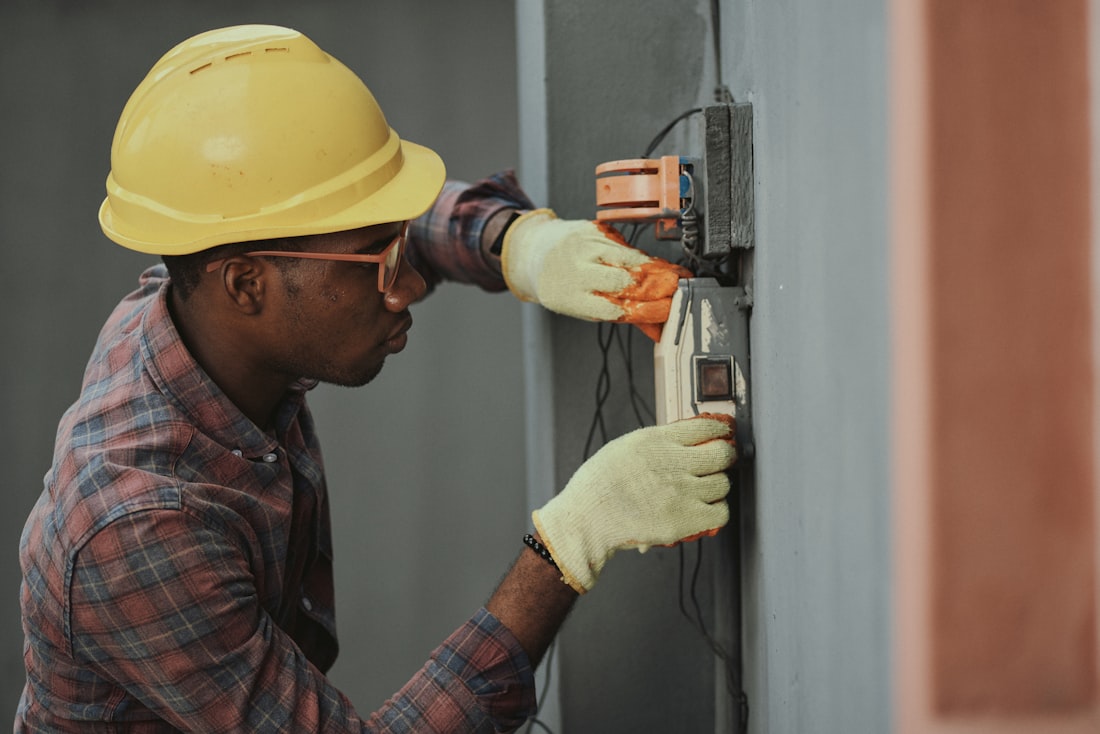
Skilled trades illustrate this well. Analysis of Bureau of Labor Statistics data shows the median electrician or HVAC technician earns roughly $59,800 a year, with employment projected to grow 8% through 2034 — faster than the average occupation — partly because a shortage of new tradespeople is outpacing retirements. Software can diagnose a fault code. It still can't crawl into a crawl space and feel a misaligned fitting.

10 Jobs AI Struggles to Replace
These aren't guesses — they're the roles that keep showing up across labor-market research, from Upwork's 2026 skills report to industry AI-resistance scoring, as consistently hard to automate:
Core Human Skills That Stay Valuable
Beyond specific job titles, a handful of underlying skills keep showing up as the real moat — the things that make a person hard to substitute, no matter how the tools evolve:
Illustrative AI-resistance scoring based on published labor-market research (Upwork 2026 skills report, industry automation-risk indices).

How to Future-Proof Your Own Career
The people who thrive aren't ignoring AI — they're combining it with something AI can't do on its own. A few concrete moves:
🔎 The Real Verdict: AI is exceptional at pattern-based, repeatable work. It is far weaker at anything requiring physical presence in unpredictable settings, earned trust, or accountability for a consequential decision. The safest careers in 2026 aren't necessarily the highest-paid or most technical — they're the ones where a human has to be the one standing there.
That doesn't mean any job is fully "AI-proof" forever. It means the roles above have a longer runway, and the people combining hands-on or trust-based skill with AI fluency are pulling further ahead of those who don't.
Curious what the data says about your own field specifically? Our companion piece breaks down the actual risk numbers by sector, sourced from Goldman Sachs, McKinsey, the IMF, and the WEF.
The most dangerous move right now isn't picking the "wrong" career — it's assuming your job is safe simply because it's always been done by a person. The roles that last are the ones actively building the skills AI can't touch, not the ones hoping to be overlooked.