Emotional Fitness in 2026 — What "Nervous System Regulation" Actually Means
"Emotional fitness" and "nervous system regulation" have become two of the most searched mental wellness terms of the year, showing up everywhere from therapy apps to workplace wellness programs. But behind the trendy language is real, well-established science about how your body's stress response works — and simple, evidence-based ways to work with it instead of against it.
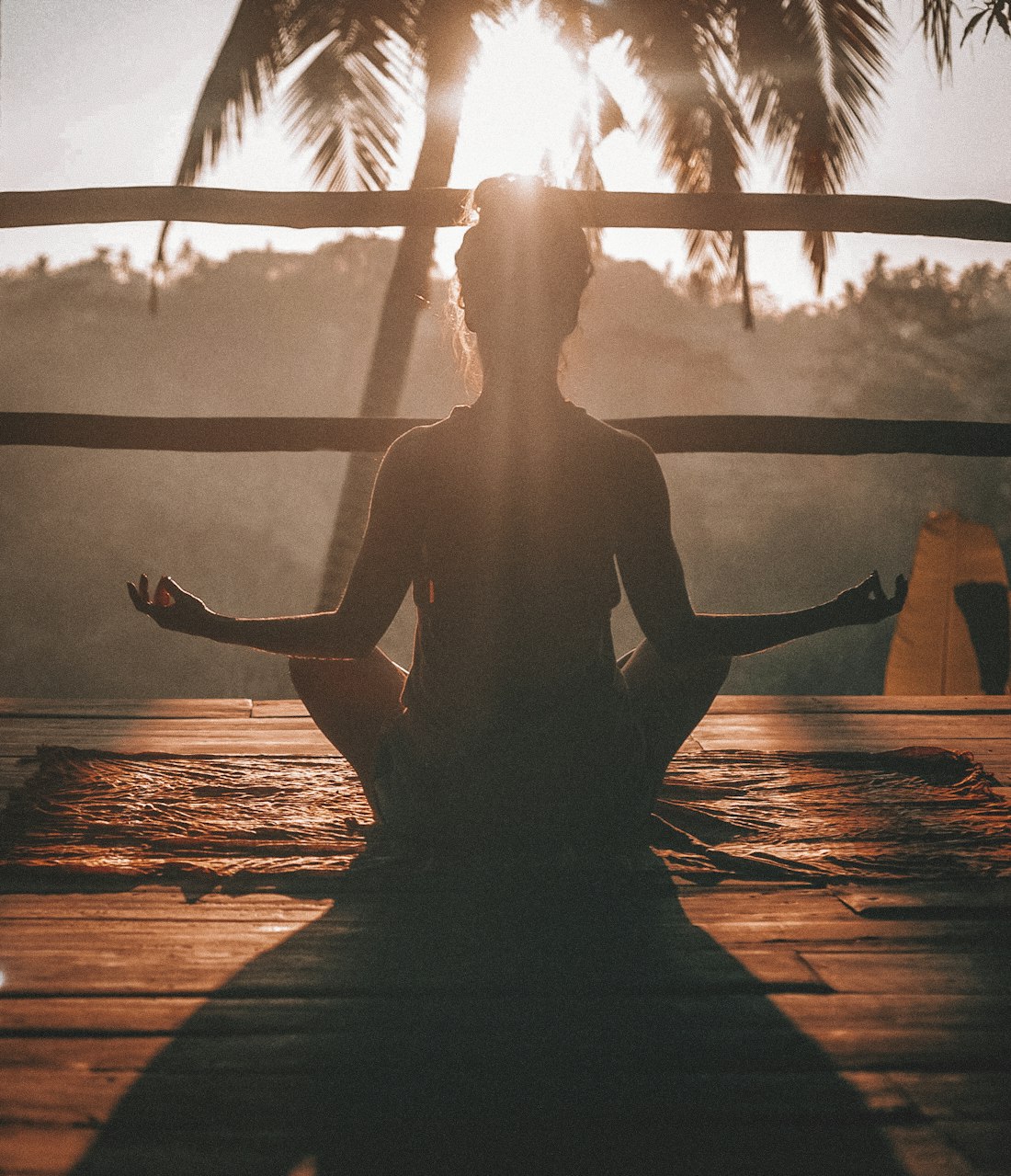
Emotional fitness treats mental resilience as something you actively build, similar to physical fitness, rather than something you either have or don't. Source: 2026 wellness trend reporting
Emotional Fitness by the Numbers
Mental wellness has moved from a niche concern to a mainstream, daily priority for most adults — and the numbers back that shift up clearly.
What "Nervous System Regulation" Actually Means
Your autonomic nervous system runs largely outside conscious control, and it has two main modes. The sympathetic branch triggers your "fight or flight" response — raising heart rate, releasing adrenaline and cortisol, and preparing you to react to a threat. The parasympathetic branch does the opposite: it slows your heart rate, aids digestion, and signals to your body that it is safe to rest and recover.
A "dysregulated" nervous system is one that gets stuck triggering the stress response even when there is no real danger present — a pattern strongly linked to chronic anxiety, panic attacks, and burnout. "Regulation" simply means having reliable tools to bring your body back to a calm, balanced state after a stressful moment, rather than staying stuck in high alert.
Signs of Dysregulation
Feeling wired but exhausted, difficulty calming down after minor stress, trouble sleeping, and a short fuse for irritation are common signs your nervous system needs support.
The Vagus Nerve
This nerve is the main highway of the parasympathetic system, running from your brainstem through your heart, lungs, and gut — which is why breathing exercises can calm your whole body, not just your mind.
Evidence-Based Ways to Build Emotional Fitness
Unlike some wellness trends, most nervous system regulation practices are backed by decades of research on stress physiology, not new science.
Diaphragmatic Breathing
Slow, deep belly breathing directly stimulates the vagus nerve and can measurably lower heart rate within minutes. Try a 4-second inhale, 6-second exhale pattern.
Regular Movement
Consistent exercise improves the balance between your sympathetic and parasympathetic systems over time, not just immediately after a workout.
Consistent Sleep
Sleep and nervous system regulation have a two-way relationship — poor sleep dysregulates your stress response, and a dysregulated stress response disrupts sleep.
Co-Regulation
Calm, supportive conversation with another person can help regulate your nervous system directly — humans are wired to take safety cues from each other.
Reframing Stress
Research suggests that viewing stress as something your body is doing to help you rise to a challenge, rather than something purely harmful, changes how your body responds to it.
Somatic Movement
Body-based practices like gentle stretching or shaking out tension can help release stored physical stress that talk-based approaches alone may not address.
The "Window of Tolerance" Concept Behind Most of This
Much of the practical advice around emotional fitness traces back to a single clinical concept: the window of tolerance, a term used in trauma and stress research to describe the zone of arousal where a person can think clearly, respond flexibly, and process what's happening around them. Above that window is hyperarousal — the fight-or-flight state of racing thoughts, a pounding heart, and difficulty focusing on anything beyond the immediate threat. Below it is hypoarousal — a shutdown state of numbness, fog, or disconnection that can follow prolonged stress. Neither state is a character flaw or a sign of weakness; both are the nervous system doing exactly what it evolved to do, just activated at a moment when the activation doesn't match what the situation actually calls for.
Understanding which state you tend toward under stress changes which regulation technique is actually useful in the moment, which is why a one-size-fits-all breathing exercise doesn't work equally well for everyone. Someone in hyperarousal generally benefits from techniques that calm and slow the system down — the longer exhale in diaphragmatic breathing, a cold splash of water, or physical movement that burns off excess activation. Someone in hypoarousal often needs the opposite: gentle, energizing movement, sensory input (texture, temperature, sound), or brief bursts of activity that bring activation back up into the window rather than techniques designed to calm an already-low state further. Widening the window of tolerance over time — through consistent practice of these techniques when calm, not only when already dysregulated — is the mechanism most nervous-system-regulation research actually points to, rather than any single technique being a fix on its own.
Where the Trend Is Genuinely Useful — and Where to Be Careful
The shift toward proactive, preventive mental health care — building resilience before a crisis, rather than only treating problems once they're severe — is broadly seen as a positive development by mental health professionals. It has also made workplace mental health support and mood-tracking tools far more mainstream and accessible.
What Emotional Fitness Is Not a Substitute For
Breathwork, somatic practices, and self-guided regulation tools are genuinely helpful for everyday stress, but they are not a replacement for professional care.
- If you're experiencing persistent low mood, hopelessness, or loss of interest in daily life, talk to a doctor or therapist
- Panic attacks, trauma symptoms, or intrusive thoughts benefit from professional treatment, not just self-regulation techniques
- Wellness trends move quickly — be skeptical of any single practice marketed as a complete fix
Key Takeaways
- "Nervous system regulation" describes real, well-studied stress physiology, not a new trend invented from nothing
- Simple tools — slow breathing, movement, sleep, and social connection — are the most evidence-backed regulation practices
- 79% of US adults now rank mental health as equally or more important than physical health
- Emotional fitness practices support everyday resilience but are not a substitute for professional mental health care
More Health Guides, Written Clearly
Browse our full library of medically reviewed articles on sleep, stress, and mental wellness — all in plain, easy-to-understand language.
Explore All Health ArticlesSources and References
- Global Wellness Institute — Mental Wellness Initiative Trends for 2026
- Stanford University — Huberman Lab, nervous system stress-response research
- Annals of Physical and Rehabilitation Medicine — central fatigue and nervous system research
- Autonomic Neuroscience — exercise and autonomic nervous system balance
- University of Maryland Medical System — Self-Soothing and Nervous System Regulation