Gut Health, Minus the Marketing: What Actually Helps
"Gut health" sells everything from $80 probiotic powders to elimination diets with no real evidence behind them. Underneath the noise is a genuinely interesting, well-researched system — trillions of microorganisms that affect digestion, immunity, and even mood. Here's what the gut microbiome actually is, what throws it off balance, and which fixes are backed by real research versus a marketing budget.
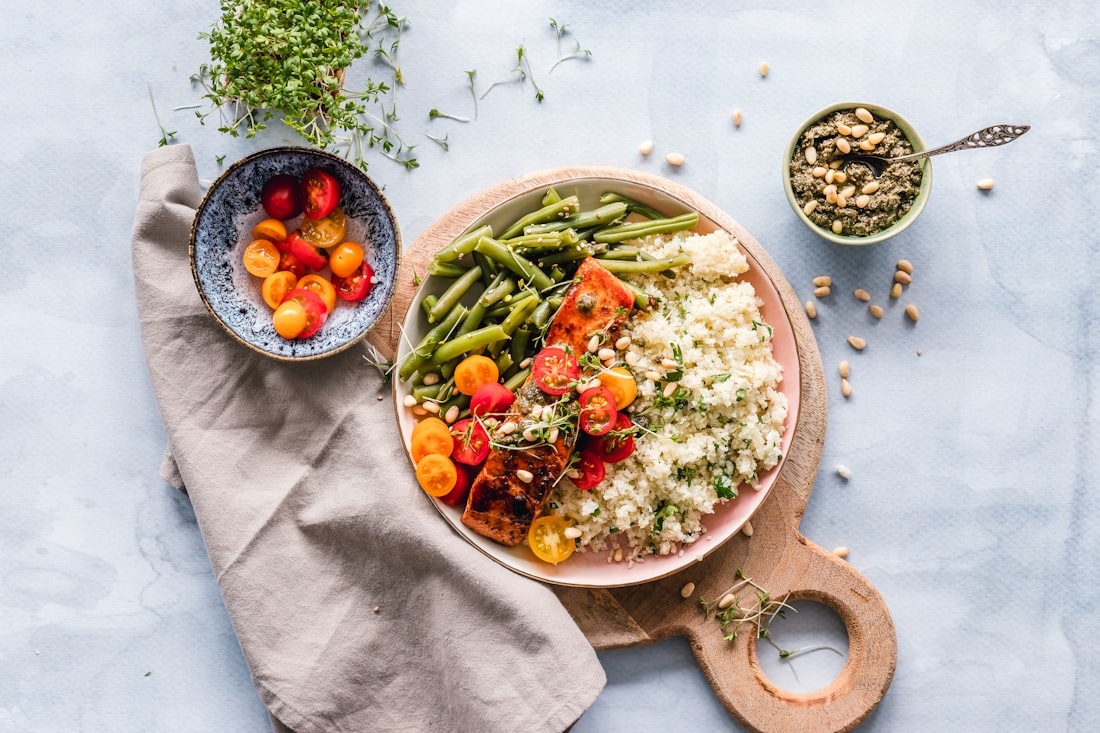
Fermented foods like yogurt with live active cultures are one of the more evidence-backed, lower-cost ways to support a diverse gut microbiome.
What the Gut Microbiome Actually Is
The gut microbiome is the community of trillions of bacteria, along with smaller numbers of viruses, fungi, and other microbes, living mainly in your large intestine. Far from being harmful "germs," most of these organisms are doing real work: breaking down fiber your body can't digest on its own, producing certain vitamins, training parts of your immune system, and even communicating with your brain through what's often called the gut-brain axis.
Every person's microbiome is different — shaped by genetics, diet, environment, birth method, and life events like illness or antibiotic use. There's no single "correct" microbiome to aim for, which is part of why so much gut-health marketing overpromises: a product that works well for one person's gut ecosystem won't necessarily do the same for someone else's.
What "Dysbiosis" Actually Means

Bloating, irregular digestion, and food intolerance are common signs of an imbalanced gut microbiome — though they can have other causes too.
Dysbiosis is the term for an imbalanced gut microbiome — a loss of beneficial bacteria, overgrowth of less helpful strains, or reduced overall microbial diversity. Diet, certain medications (especially antibiotics), chronic stress, and poor sleep can all contribute to it. Common symptoms include bloating, gas, irregular bowel habits, and food intolerance, and research has also linked dysbiosis to broader issues, including inflammatory bowel conditions and, through the gut-brain connection, mood and anxiety.
Probiotics, Prebiotics, and Fermented Foods
Probiotics are live microorganisms that, taken in adequate amounts, provide a health benefit — that's the World Health Organization's working definition, and it's stricter than most supplement labels imply. The most researched strains fall into two genera, Lactobacillus and Bifidobacterium, though evidence for benefit is strain-specific rather than a blanket rule for "probiotics" as a category. Prebiotics are different: they're the fiber and plant compounds that feed the beneficial bacteria already living in your gut, found naturally in foods like garlic, onions, oats, and legumes.
| What It Does | Common Sources | |
|---|---|---|
| Probiotics | Introduce live beneficial bacteria | Yogurt, kefir, sauerkraut, kimchi, miso, supplements |
| Prebiotics | Feed bacteria already in your gut | Garlic, onions, leeks, oats, legumes, bananas |
| Fiber, generally | Supports diversity and regularity | Vegetables, whole grains, fruit, legumes |
In practice, a varied, plant-forward diet tends to do more for microbiome diversity than any single supplement — research consistently links a wider range of plant foods to a more diverse gut microbiome, which is generally considered a marker of good gut health.
Evidence-Backed vs. Mostly Marketing
- Fermented foods with live active cultures
- A high-fiber, varied plant-forward diet
- Specific probiotic strains for specific issues (check the strain, not just "probiotic")
- Staying hydrated and managing chronic stress
- Generic "gut health" supplements with no named strain or dosage
- Restrictive elimination diets without a diagnosed condition
- At-home microbiome test kits claiming to prescribe a personalized diet
- Claims that any single food or pill will "detox" your gut
Why 30 Different Plants Beats One "Superfood"
A commonly cited target among microbiome researchers is eating around 30 different plant foods a week — not 30 servings, but 30 distinct types, counting vegetables, fruits, whole grains, legumes, nuts, seeds, and herbs separately. The reasoning behind that number comes from how gut bacteria specialize: different species of bacteria break down different types of fiber, so a diet built around the same handful of plant foods every week feeds a narrower slice of the microbial community than a genuinely varied one does, even if the total fiber intake looks similar on paper. This is part of why a single "superfood" added to an otherwise repetitive diet tends to move the needle less than marketing suggests — the microbiome responds more to the breadth of what it's fed than to any one ingredient's individual nutrient profile.
Getting to 30 types a week is less demanding than it sounds once herbs, spices, and different legume varieties count separately — a chili with kidney beans, tomatoes, onion, garlic, and cumin already contributes five. The practical takeaway isn't to chase an exact number, but to notice whether your week looks the same on repeat or genuinely rotates through different plant categories.
What Happens to Gut Bacteria During a Course of Antibiotics
Antibiotics are necessary and often lifesaving, but they don't distinguish between the bacteria causing an infection and the beneficial bacteria living in the gut — a course of antibiotics typically reduces both the total number and the diversity of gut bacteria, sometimes for weeks or months afterward depending on the drug and duration. This is the actual mechanism behind antibiotic-associated diarrhea, and it's the specific, well-studied case where certain probiotic strains (not probiotics in general) have decent evidence for shortening symptoms — timing matters, since taking a probiotic a few hours apart from the antibiotic dose, rather than at the same time, avoids the antibiotic simply killing the probiotic bacteria before they can do anything.
Recovery of a pre-antibiotic microbiome composition isn't guaranteed to be complete or fast; some research has found lingering changes in gut bacterial diversity months after a single course. A fiber-rich, varied diet in the weeks following antibiotics is a reasonable, low-risk way to support recovery, though it isn't a substitute for finishing a prescribed course as directed by whoever prescribed it.
Frequently Asked Questions
What is the gut microbiome, in simple terms?
The gut microbiome is the community of trillions of bacteria and other microorganisms living in your digestive tract. It helps digest food, produces certain vitamins, trains part of the immune system, and its balance is unique to each person, shaped by diet, environment, and lifestyle.
Do probiotic supplements actually work?
Evidence varies by strain and condition — some probiotic strains have solid research behind them for specific issues like antibiotic-associated diarrhea, while many supplements on shelves haven't been tested for the claims on their label. Fermented foods are a well-supported, lower-cost way to get beneficial bacteria for most people.
What foods are good for gut health?
Fermented foods like yogurt with live cultures, kefir, sauerkraut, and kimchi introduce beneficial bacteria, while high-fiber foods like vegetables, legumes, and whole grains act as prebiotics that feed the bacteria already living in your gut. A varied, plant-forward diet tends to support a more diverse microbiome than any single food or supplement.
More Health Guides, Written Clearly
Browse our full library of health and wellness explainers, updated as research and guidance change.
More from the creator
Explore two other projects from the same creator.