NAD+ Supplements: What 113 Studies Actually Show About Anti-Aging
NAD+ — nicotinamide adenine dinucleotide, a molecule your cells need for basic energy production — has become one of the most heavily marketed anti-aging targets of the decade, sold as pills, powders, and pricey IV infusions. In early 2026, a team of researchers published the most comprehensive review of the evidence to date: a PRISMA-guided systematic review covering 113 separate studies. The findings are more nuanced than either the marketing or the skeptics usually let on. Here's the honest version.
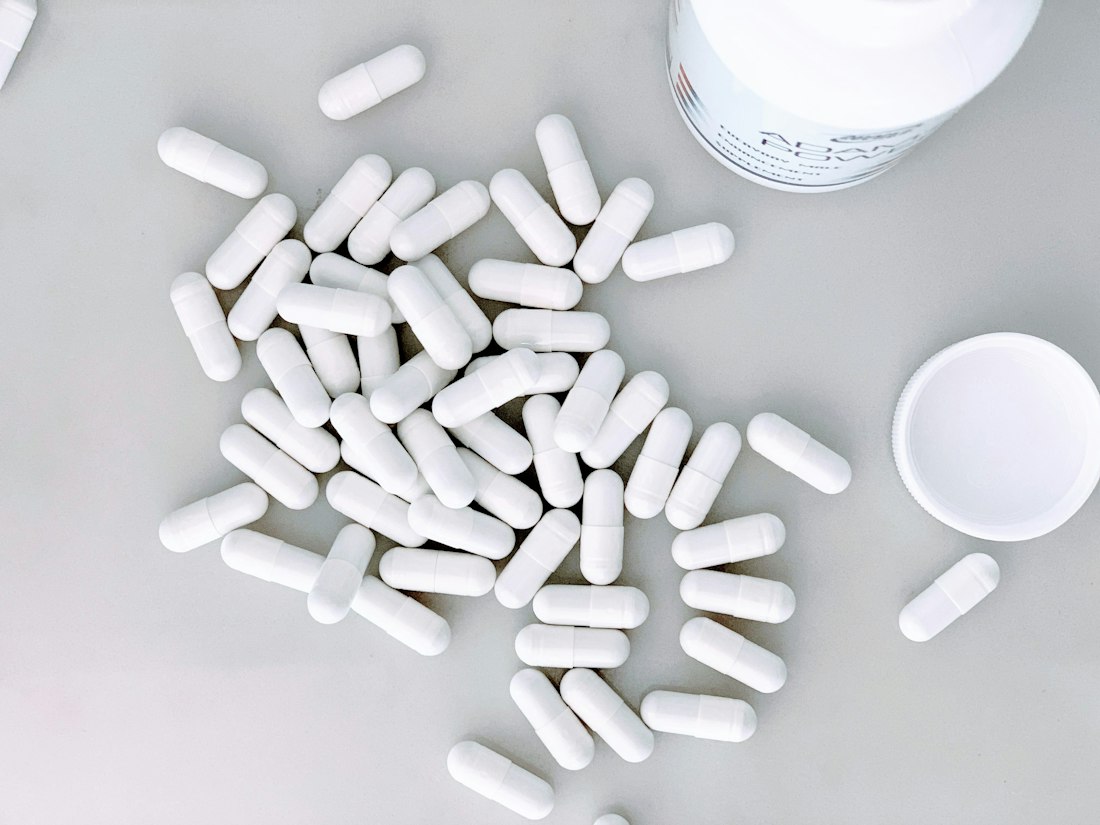
NAD+ itself can't be taken orally in a useful form — most supplements actually deliver precursor molecules like NMN or NR, which your body converts into NAD+.
113 Studies Later, Here's the Honest Summary
Published in early 2026, the systematic review pulled together every eligible peer-reviewed human and rodent study on NAD-related compounds from January 2010 through October 2025 — 113 studies in total, including 33 human trials (28 of them randomized) and 80 rodent studies. The researchers' own summary is refreshingly blunt: NAD+ augmentation shows clear biological activity, but clinical effectiveness for anti-aging or wellness outcomes in humans remains inconclusive.
That's not the same as "doesn't work," and it's not the same as "proven to work" either — it's a specific, narrower claim. Oral NAD+ precursors reliably do the thing they're supposed to do at the cellular level: they raise measurable NAD+ in blood and tissue. What the review couldn't confirm is that raising those levels reliably translates into the anti-aging or wellness benefits the supplement industry advertises.
Why Mouse Studies Don't Settle the Question
The gap between animal and human evidence is the single biggest thing NAD+ marketing tends to gloss over.
In rodent models, NAD+ augmentation is associated with real improvements across multiple systems — better mitochondrial function, increased strength and exercise performance, and reduced metabolic and inflammatory markers, though the size of the effect varies by model. Lifespan extension from NAD+ precursors is well documented in yeast, worms, and mice specifically. None of that has been demonstrated in humans, and the review is explicit that the animal-to-human translation remains unconfirmed.
Where human evidence exists, it's more limited and more specific than "it fights aging." The clearest positive findings include improved muscle insulin sensitivity — notably shown by the gold-standard hyperinsulinemic-euglycemic clamp method in postmenopausal prediabetic women — along with modest blood pressure reduction and reduced fatigue in some older adult trials. A separate 2025 randomized, double-blind, placebo-controlled trial found a NAD+-supporting supplement raised whole blood NAD+ concentration, increased SIRT1 levels, lowered inflammatory markers, and shifted a biological-age marker in a favorable direction — a genuinely interesting result, though still a single trial rather than a settled finding.
What the Dosing and Safety Data Actually Look Like
Typical Effective Dose
300mg/day of NR or NMN produces modest 40-59% increases in NAD+ levels; larger increases generally require 1000-2000mg/day in trials.
Safety Record — Oral
More than a dozen human trials of oral NAD+ precursors, up to 26 weeks and one lasting two years, have consistently shown they're safe at studied doses.
Safety Record — IV
Far less studied; some small trials report significant GI side effects including cramping and nausea during infusion.
Cost vs. Evidence
IV NAD+ treatments are typically the most expensive option and have the thinnest human evidence base of the three delivery methods.
Worth Taking, or Worth Skipping?
Reasonable to try in pill form, hard to justify in IV form.
Oral NMN or NR at studied doses has a solid safety track record and reliably does what it claims at the cellular level — raising NAD+. Whether that translates into a noticeable anti-aging benefit for a given person is genuinely unproven, not just marketed ahead of the science. IV NAD+ is a different story: less studied, more expensive, and carries a real chance of uncomfortable side effects, for a benefit that hasn't been separately established over the oral form.
Frequently Asked Questions
Do NAD+ supplements actually work for anti-aging?
A 2026 PRISMA-guided systematic review of 113 studies found that oral NAD+ precursors like NMN and NR reliably raise NAD+ levels in blood and tissue, and show clear biological activity. But clinical effectiveness for anti-aging or wellness outcomes in humans remains inconclusive — lifespan extension is well established in yeast, worms, and mice, but hasn't been demonstrated in people.
Are NAD+ IV infusions safer or more effective than pills?
Not established as more effective, and not necessarily safer. The 2026 review found no eligible outcomes trials evaluating intravenous NAD+ itself for anti-aging purposes, and separate small studies have reported that NAD+ infusions can cause moderate to severe abdominal cramping, diarrhea, nausea, and vomiting.
What dose of NMN or NR do clinical trials actually use?
Earlier trials showed modest 40-59% increases in NAD+ levels at around 300mg per day of NR or NMN, while larger increases typically required higher doses in the 1000-2000mg per day range, according to research summarized in a 2025 randomized controlled trial.
More Health Guides, Written Clearly
Browse our full library of health explainers, updated as new research comes in.
More from the creator
Explore two other projects from the same creator.