Thyroid Nodules: Symptoms, Tests, and What They Actually Mean
A doctor mentions a "nodule" on your thyroid during a routine exam, or it turns up on a neck scan ordered for something unrelated, and suddenly you're searching the term at midnight. Here's the more useful version: what thyroid nodules actually are, which symptoms (if any) they cause, what the follow-up tests look for, and what the results tend to mean in practice.
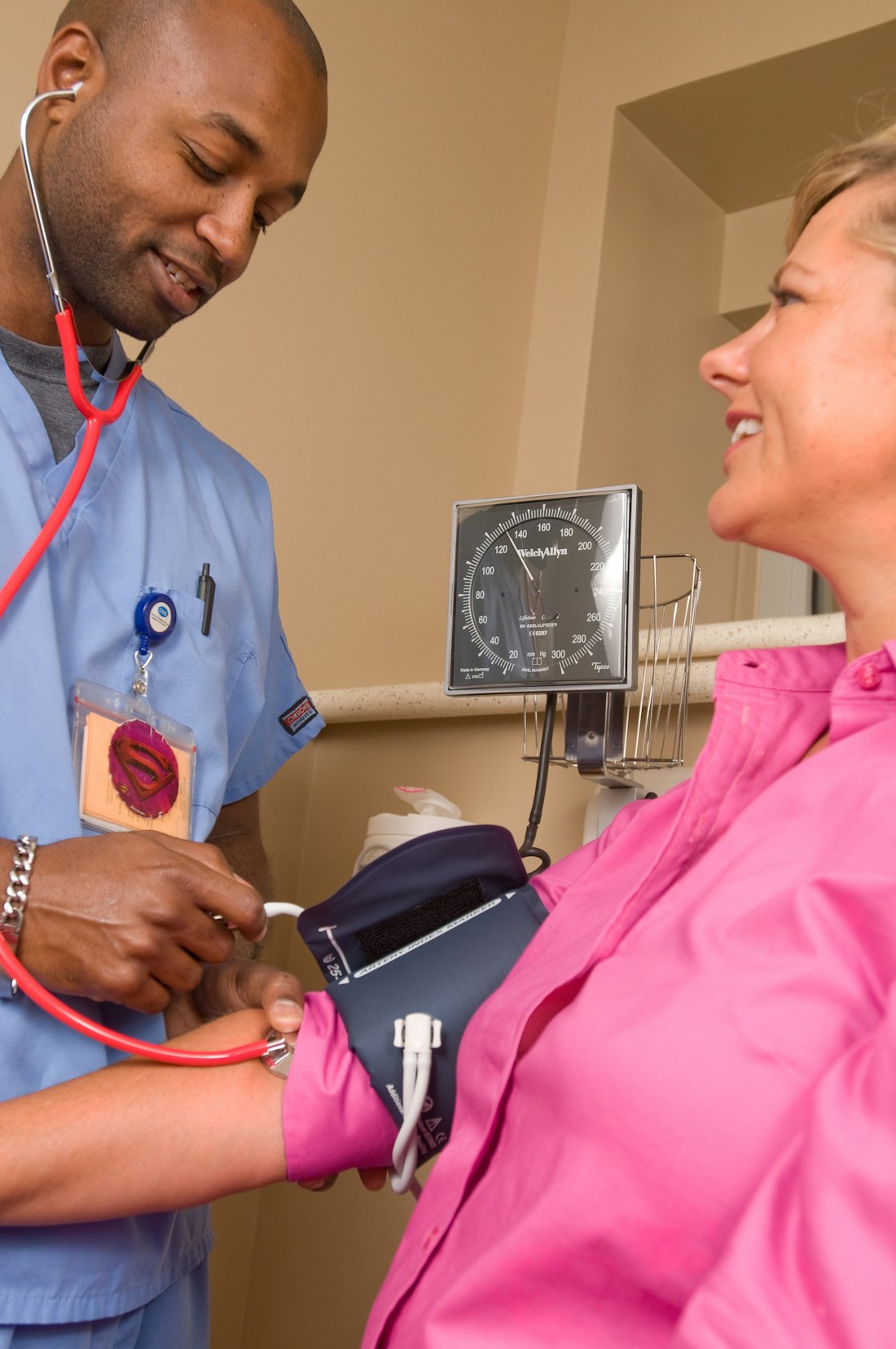
Most thyroid nodules are found by accident, during a physical exam or a scan ordered for something else entirely.
Most Nodules Are Harmless Lumps of Extra Tissue
A thyroid nodule is simply a lump that forms within the thyroid gland, the butterfly-shaped organ at the base of your neck that regulates metabolism, temperature, and heart rate. Nodules are extremely common — up to half of adults over 60 may have one, and most never know it, because the nodule is too small to feel and causes no symptoms at all. The large majority are benign overgrowths of normal thyroid tissue or simple fluid-filled cysts. A small minority turn out to be cancerous, which is exactly why doctors don't just guess: nodules that meet certain criteria on ultrasound get a biopsy so the answer is based on an actual look at the cells, not a hunch.
Symptoms a Thyroid Nodule Can Cause
Most thyroid nodules cause no symptoms whatsoever and are found incidentally, during a routine physical exam or on imaging done for an unrelated reason, like a carotid ultrasound or a neck CT after an injury. When a nodule does cause symptoms, it's usually because it has grown large enough to be felt or seen, or because it's affecting hormone production.
A visible or felt lump
A swelling at the base of the neck that you or your doctor can see or feel, sometimes moving slightly when you swallow.
Pressure symptoms
Difficulty swallowing, a sensation of fullness in the throat, or in less common cases trouble breathing, if the nodule is large enough to press on the windpipe or esophagus.
Voice changes
Hoarseness that doesn't resolve, which can happen if a nodule presses on the nerve controlling the vocal cords.
Hormone-related symptoms
Some nodules overproduce thyroid hormone, causing unexplained weight loss, a rapid heartbeat, nervousness, or trouble sleeping.
An ultrasound is usually the first imaging test used to size up a nodule and check for features that might warrant a biopsy.
What Tests Come Next
If a nodule is found, whether by feel or by imaging, the workup usually follows a predictable order. First is a blood test measuring thyroid-stimulating hormone (TSH) and thyroid hormone levels, to see whether the gland overall is working normally. Most people with a nodule have completely normal thyroid function, since the nodule is a localized growth rather than a gland-wide problem.
Next is a neck ultrasound, which uses sound waves to build a detailed picture of the nodule's size, shape, and internal characteristics — whether it's solid or fluid-filled, whether its edges are smooth or irregular, and whether it contains tiny calcium deposits. Radiologists score these features using a system (often called TI-RADS) that estimates how suspicious a nodule looks and whether it crosses the threshold for biopsy. Many small, simple-looking nodules never need one; they're simply re-scanned after a year or two to confirm they're stable.
If the ultrasound shows features that warrant it, a fine-needle aspiration biopsy is the next step. A thin needle, guided by ultrasound, draws a small sample of cells directly from the nodule for examination under a microscope. It's done in a doctor's office, takes only a few minutes, and most people go back to normal activities the same day. Results are typically categorized using a standard scale (the Bethesda system) that sorts findings from clearly benign to clearly malignant, with a few in-between categories that sometimes call for repeat testing or molecular analysis of the sample.
What Causes Thyroid Nodules
In most cases, doctors can't point to a single specific cause for why one particular nodule formed. What's better understood is who is more likely to develop them. Age is the strongest factor: nodules become steadily more common as people get older, to the point where roughly half of adults over 60 have at least one, even though only a small fraction of those people ever notice symptoms. Women develop thyroid nodules considerably more often than men, for reasons tied to hormonal differences that researchers are still working out in detail.
A handful of other factors raise the odds. A family history of thyroid nodules or thyroid cancer increases personal risk, as does prior radiation exposure to the head, neck, or chest, particularly if that exposure happened in childhood. Chronic inflammation of the thyroid gland, a condition called Hashimoto's thyroiditis, is also associated with a higher likelihood of developing nodules over time. Iodine deficiency is a well-documented cause of thyroid nodules and goiter in parts of the world without iodized salt, though it's rare in countries like the United States where iodine fortification is standard.
It's worth being clear about what does not reliably predict whether a nodule is benign or cancerous just from these risk factors alone: a person with several risk factors can have a completely benign nodule, and a person with none of them can occasionally have a malignant one. That's precisely why the workup relies on direct evaluation of the nodule itself, through ultrasound imaging and biopsy, rather than trying to estimate risk from a checklist of demographics.
When to See a Doctor
Because most thyroid nodules cause no symptoms, many people first learn about one during a routine physical exam or an imaging test done for something unrelated. If that happens, it's worth getting it properly evaluated rather than dismissing it, even if it feels like an incidental finding — but it's rarely a reason for alarm or an urgent visit.
Certain signs are worth bringing to a doctor's attention more promptly: a lump you can see or feel that's growing noticeably over weeks, new hoarseness that doesn't resolve after a couple of weeks, increasing difficulty swallowing solid food, or shortness of breath that seems tied to the swelling in your neck rather than exertion. Sudden pain or rapid swelling in a nodule can also happen if a cyst bleeds internally, which is usually more alarming than dangerous but still worth having checked. Symptoms suggesting a hormone imbalance — a racing heart, unexplained weight loss, tremor, or on the other end, persistent fatigue, weight gain, and feeling cold all the time — are also worth mentioning, since they can point toward a nodule that's actively producing (or interfering with) thyroid hormone rather than just sitting there.
What a Diagnosis Usually Means
- Most nodules are simply monitored with repeat ultrasounds, often at 1-2 year intervals
- No treatment is needed unless the nodule grows or starts causing symptoms
- A benign biopsy result carries a very low false-negative rate when done well
- A nodule causing pressure symptoms or overproducing hormone may need surgery or other treatment even if benign
- An indeterminate biopsy result sometimes calls for molecular testing or a repeat biopsy
- A malignant result usually leads to surgical removal of part or all of the thyroid
Even a cancer diagnosis here tends to carry a better outlook than many people expect: most thyroid cancers found this way are caught early, grow slowly, and respond well to treatment. That doesn't make the news easier to hear, but it's a meaningfully different situation than many other cancer diagnoses, and worth knowing going in.
Frequently Asked Questions
Are thyroid nodules usually cancerous?
No. The large majority of thyroid nodules, roughly 90 to 95 percent, turn out to be benign. Cancer is found in a minority of cases, which is exactly why nodules that meet certain ultrasound criteria get biopsied rather than assumed to be one or the other without testing.
What tests are used to check a thyroid nodule?
The usual sequence is a blood test to check thyroid hormone levels, a neck ultrasound to look at the nodule's size and features, and, if the ultrasound shows anything that warrants it, a fine-needle aspiration biopsy where a thin needle removes a small sample of cells for examination under a microscope.
Do all thyroid nodules need to be removed?
No. Most small, benign nodules are simply monitored over time with repeat ultrasounds rather than treated. Surgery is generally reserved for nodules that are cancerous, growing quickly, causing pressure symptoms like trouble swallowing or breathing, or overproducing thyroid hormone.
More Guides, Written Clearly
Browse our full library of AI and health explainers, updated as tools and guidance change.
More from the creator
Explore two other projects from the same creator.