VO2 Max: The Fitness Number That Predicts How Long You'll Live
If grip strength is the cheap, quick longevity test, VO2 max is the more rigorous one — and by most large cohort studies, it's still the single strongest predictor doctors have. The American Heart Association has gone as far as calling cardiorespiratory fitness a "vital sign," on par with blood pressure and heart rate. Here's what VO2 max actually measures, why it outpredicts things like smoking status in mortality research, and how much of it is realistically within your control.

VO2 max reflects the combined efficiency of your heart, lungs, blood vessels, and muscles working together — a total-system measurement, not a single-organ score.
Why Fitness Outpredicts Smoking and Blood Pressure
VO2 max measures the maximum volume of oxygen your body can take in and use during intense exercise — a total-system number that depends on how well your heart pumps, how efficiently your lungs exchange gas, how well your blood vessels deliver oxygen, and how effectively your muscles use it once it arrives. Because it captures all of those systems working together, it functions as a kind of overall cardiovascular and metabolic report card in a way that a single measurement, like blood pressure, doesn't.
That breadth is exactly why large cohort studies keep finding it out-predicts more familiar risk factors. Research reviewed by the American Heart Association found that cardiorespiratory fitness predicts all-cause mortality more strongly than smoking status, hypertension, or diabetes individually, with people in the lowest fitness quartile showing roughly three to five times the mortality risk of those in the highest. Put another way: in these studies, being unfit was a stronger statistical risk factor than being a smoker.
What Counts as a Good VO2 Max
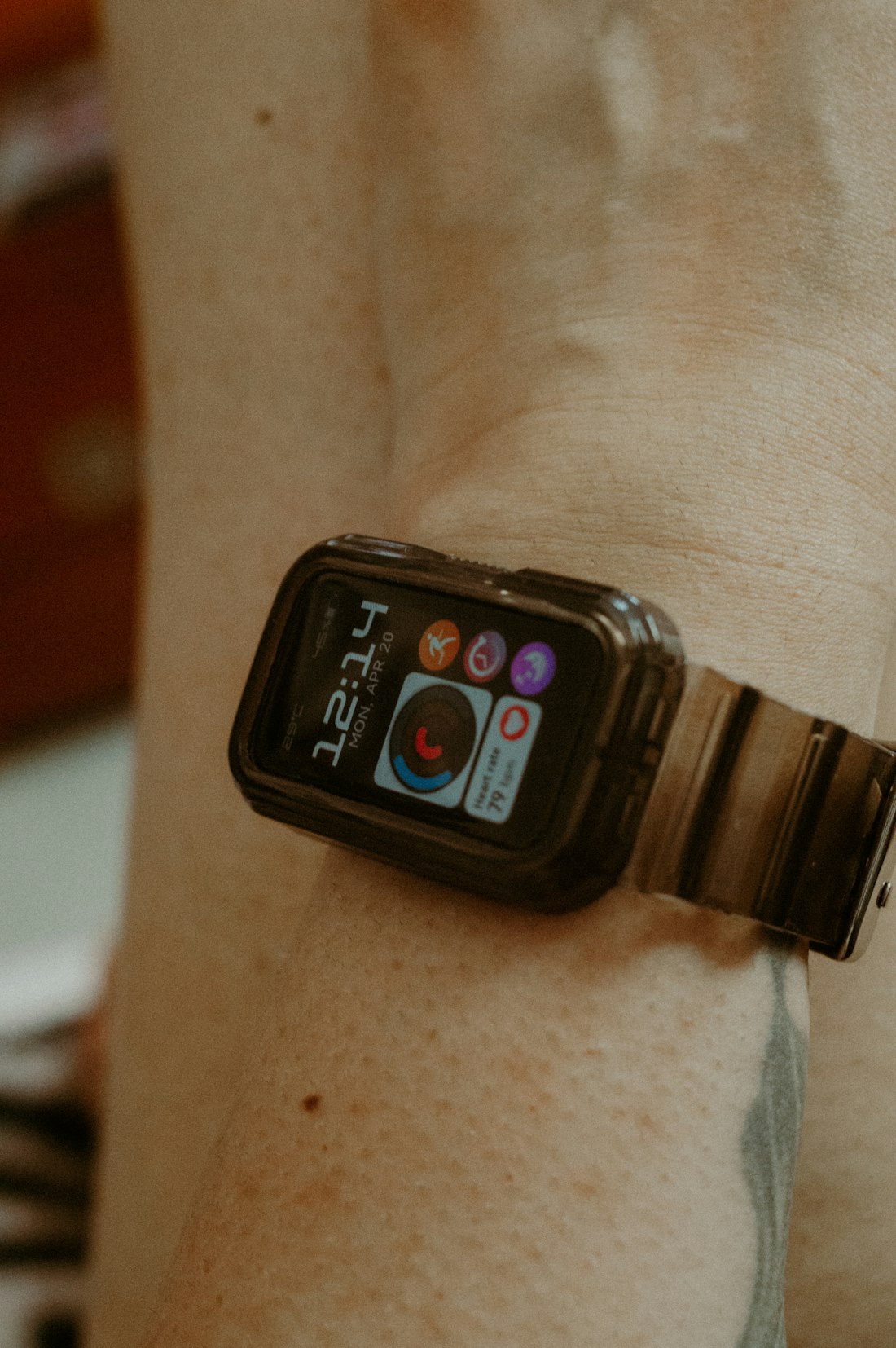
Modern smartwatches and fitness trackers can estimate VO2 max reasonably well for tracking trends, even without a lab-based test.
VO2 max is measured in milliliters of oxygen per kilogram of body weight per minute (mL/kg/min), and normal ranges vary substantially by age and sex. As a rough guide: sedentary adults commonly score in the 20s to low 30s, recreationally active adults often land in the high 30s to 40s, and competitive endurance athletes can reach the 60s, 70s, or higher. The number naturally declines by roughly 1% per year once you're past your 20s-30s peak — but that decline rate is heavily influenced by how much aerobic training you do, not just genetics or the calendar.
Lab Testing
The gold-standard method uses a metabolic cart during a graded treadmill or bike test, typically available at sports medicine or cardiology clinics.
Wearable Estimates
Most modern fitness watches estimate VO2 max from heart rate and pace data — less precise than lab testing but useful for tracking your own trend.
Field Tests
Standardized tests like the Cooper 12-minute run can estimate VO2 max reasonably well without special equipment.
MET Equivalent
1 MET equals roughly 3.5 mL/kg/min of VO2 max — a unit doctors sometimes use interchangeably when discussing fitness capacity.
How Much of It Can You Actually Change?
- Zone 2 cardio — sustained, moderate-intensity aerobic work — builds the aerobic base over time
- High-intensity interval training (HIIT), which produces some of the fastest documented VO2 max gains
- Consistency over months, since cardiorespiratory adaptations build gradually
- Simply starting from a sedentary baseline — the biggest relative gains happen for the least-fit people
- Strength training alone, without an aerobic component — it improves other things, but not VO2 max specifically
- Sporadic, inconsistent cardio sessions with long gaps between them
- Chasing a wearable's VO2 max estimate obsessively — the trend over months matters more than any single reading
- Expecting rapid change — meaningful adaptation typically takes 8-12 weeks of consistent training to show up
Is VO2 Max Worth Prioritizing?
Yes — arguably the single best return-on-effort fitness metric available.
The mortality data behind VO2 max is about as strong as biomarker research gets, and unlike many other risk factors, it's substantially trainable at any age with well-understood methods: consistent aerobic exercise, mixed with intervals for faster gains. It's not the only number worth tracking, but if you had to pick one fitness metric to prioritize based on the strength of the evidence connecting it to how long and how well you're likely to live, VO2 max would be a reasonable pick.
Frequently Asked Questions
Is VO2 max really a better predictor of longevity than smoking or blood pressure?
In large cohort studies, cardiorespiratory fitness has repeatedly outpredicted traditional risk factors like smoking status, hypertension, and diabetes for all-cause mortality. Research summarized by the American Heart Association found people in the lowest fitness quartile had roughly 3 to 5 times the mortality risk of those in the top quartile, a larger effect size than several conventional risk factors show individually.
What is a good VO2 max for my age?
It varies significantly by age and sex. Sedentary adults commonly score in the 20s to low 30s (mL/kg/min), recreationally active adults often land in the high 30s to 40s, and competitive endurance athletes can reach the 60s, 70s, or higher. Values naturally decline by roughly 1% per year after your 20s-30s peak, though training can substantially slow that decline.
How much can you actually improve your VO2 max?
Meaningfully, even at older ages. Studies show consistent aerobic training, especially interval-style workouts, can raise VO2 max by 10-20% or more over several months in previously sedentary adults. Each 1 MET (roughly 3.5 mL/kg/min) increase in fitness has been linked to a 10-25% reduction in all-cause mortality risk in cohort research.
More Health Guides, Written Clearly
Browse our full library of health explainers, updated as new research comes in.
More from the creator
Explore two other projects from the same creator.