What Is Physical AI?
Almost everything most people mean by AI operates entirely on a screen. Physical AI is a different category: systems built to perceive, reason about, and act within the physical world, most often through robots. Here's how it actually works, and why it's a harder problem than it looks.
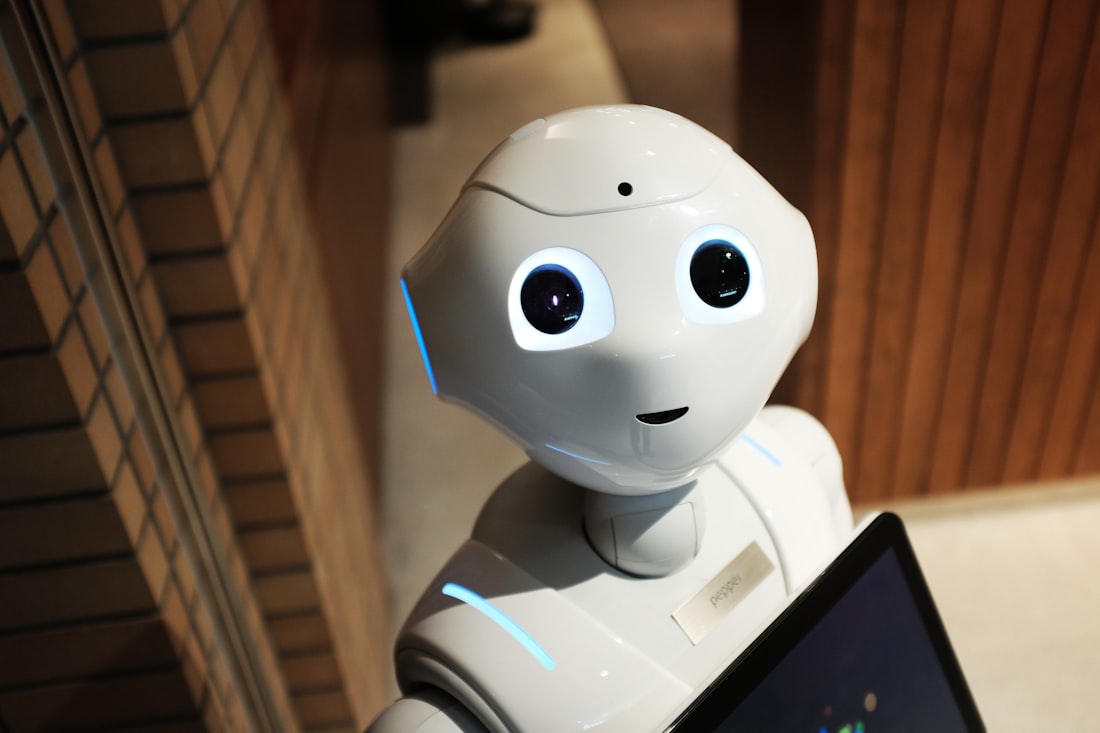
Physical AI has to handle the unpredictability of the real world, not just a contained space of text and images.
AI That Acts in the Physical World, Not Just on a Screen
Almost everything most people mean by "AI" today — a chatbot, an image generator, a coding assistant — operates entirely inside a computer, taking text or files as input and producing text, code, or images as output. Physical AI is the term for a different category: AI systems designed to perceive, reason about, and act within the physical world, most commonly through robots. Instead of producing a paragraph of text in response to a prompt, a physical AI system might decide how a robotic arm should move to pick up an oddly-shaped object it's never encountered before, or how a warehouse robot should navigate around a person who just walked unexpectedly into its path.
The core technical challenge that separates physical AI from the chatbot-style AI most people are familiar with is the sheer unpredictability of the real world compared to text or images. A language model works with a relatively contained space of possible inputs and outputs; a robot has to handle lighting changes, unexpected obstacles, imprecise sensors, and the basic physics of gravity and friction, all in real time, with mistakes that can have real physical consequences rather than just a wrong sentence.
The Building Blocks of a Physical AI System
Perception
Cameras, depth sensors, and other hardware feed the system a real-time picture of its physical surroundings, which has to be interpreted correctly before any action can be planned.
A World Model
The system needs some internal representation of how the physical world behaves — how objects fall, how a gripper interacts with a surface — to plan actions that will actually work.
Simulation-to-Real Transfer
Many physical AI systems are trained extensively in simulated environments first, since it's far cheaper and safer than training directly on physical hardware, then transferred to real robots.
Real-Time Action
Unlike a chatbot that can take a few seconds to respond, a physical system controlling a moving robot often needs to make and adjust decisions continuously and quickly.
Safety and Fallback Behavior
Physical systems need explicit behavior for when something goes wrong or an input doesn't match anything the system has encountered before, since a robot can't just apologize and stop like a chatbot can.
Feedback Loops
The system continuously compares what actually happened against what it expected, correcting course as it goes rather than executing one plan blindly from start to finish.
Physical AI has to handle the unpredictability of the real world, not just a contained space of text and images.
Why This Is Harder Than It Sounds
Progress in physical AI has been genuinely real but slower and more uneven than progress in text and image generation, largely because mistakes in the physical world are far less forgiving and training data is far scarcer. A language model can learn from an enormous amount of existing text on the internet; a robot learning to fold laundry or navigate a cluttered room has comparatively little equivalent real-world data to learn from, and gathering more requires expensive physical experimentation rather than scraping existing text.
Where This Shows Up Today
Physical AI is currently most mature in constrained, controlled environments — warehouse and logistics robots operating in a mapped space, manufacturing robots performing a repeatable task, and self-driving vehicle systems operating within well-defined road rules. The harder frontier is general-purpose robots operating in unstructured environments like a typical home, which is where most current research effort and investment from major chip and robotics companies is concentrated.
Current and Emerging Applications
Warehouse and Logistics Robots
Navigating a mapped facility and handling packages is one of the most mature current applications of physical AI at commercial scale.
Manufacturing and Assembly
Repeatable, well-defined physical tasks in a controlled factory environment are a strong current fit for physical AI systems.
Autonomous Vehicles
Self-driving systems are a large-scale, heavily-invested application of physical AI operating within the constraints of road rules and traffic.
Household and Service Robots
General-purpose robots for unstructured home environments remain the harder, less mature frontier that most current research is aimed at.
Where People Misunderstand Physical AI
A common mistake is assuming that because a company's language models are impressive, its physical AI systems must be equally far along — the two are genuinely different engineering problems, and strength in one doesn't automatically transfer to the other. Another common mistake is judging physical AI progress purely from demo videos, which are typically filmed under favorable, controlled conditions and don't necessarily reflect how reliably the same system performs across the messier range of situations a real deployment would encounter.
Watch the Compute and Chip Side of This Too
Progress in physical AI is closely tied to advances in specialized computing hardware built for running these models in real time on a robot with limited onboard power, which is a different constraint than the large data-center-scale compute used for training language models. Following developments on that hardware side is often as informative as following the AI research itself for gauging how close general-purpose physical AI actually is.
Watch for the Gap Between Lab and Deployment
A useful habit when following news about physical AI is distinguishing between a research result achieved in a controlled lab setting and a system that's actually been deployed reliably in the messier conditions of a real warehouse, home, or public space. The gap between the two can be substantial, and a genuinely impressive lab result doesn't guarantee it will hold up outside those controlled conditions for months or years without failure.
Following how long a specific physical AI deployment has actually been running in the real world, not just how it performed in an initial demo or pilot, tends to be a better signal of genuine progress than the demo alone.
It's also worth distinguishing physical AI from simpler robotic automation that's existed for decades, like a factory arm executing a fixed, pre-programmed motion. The defining feature of physical AI specifically is adapting to novel, unprogrammed situations using learned perception and reasoning, not just repeating an exact pre-set sequence.
Bottom Line
Physical AI is a genuinely different engineering challenge from the text-and-image AI most people are familiar with, made harder by the unpredictability and unforgiving nature of the real world. It's most mature today in controlled environments like warehouses and factories, with general-purpose home robots remaining the harder, less solved frontier.
More AI Guides, Written Clearly
Browse our full library of AI tool guides, updated regularly as models and features change.
Common Questions
What's the difference between physical AI and a chatbot?
A chatbot operates entirely on text or images inside a computer; physical AI is built to perceive and act within the physical world, most commonly through a robot, with real-time sensing and movement.
Is physical AI the same as robotics?
They're closely related but not identical — physical AI refers specifically to the AI systems that let a robot perceive, reason, and act intelligently, while robotics is the broader engineering discipline of building the physical machines themselves.
Why is physical AI progressing more slowly than chatbots?
Mistakes in the physical world are far less forgiving than a wrong sentence, and there's far less real-world physical training data available compared to the enormous amount of text on the internet.
Where is physical AI most advanced today?
In constrained, controlled environments like warehouses, manufacturing lines, and autonomous vehicles operating within road rules — general-purpose robots for unstructured home environments remain a much harder, less mature frontier.
More from the creator
Explore two other projects from the same creator.