AI in Software Development: How Programming Is Actually Changing in 2026
Programming isn't disappearing as a career, but a wave of late-2025 and 2026 industry surveys shows it's being redefined faster than most other professions: less time writing individual lines of code, more time specifying, reviewing, and orchestrating what AI produces. Here's what the data actually shows about the shift, the genuinely contested tradeoff between speed and code risk, and which skills are holding up as more of the mechanical work gets automated.
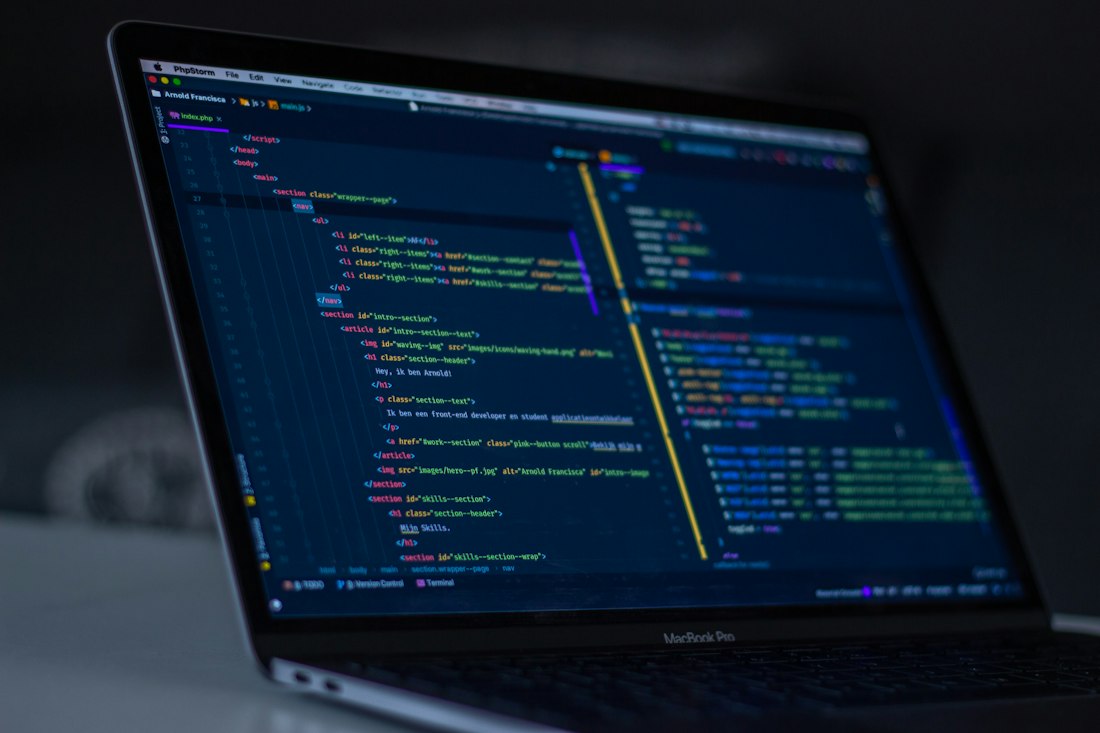
Developers are spending measurably less time on syntax and more time on logic, architecture, and reviewing AI-generated code.
The Job Isn't Disappearing. It's Being Redefined, and Fast
A late-2025 industry survey of 501 senior developers found 65% believe their role will be redefined in 2026, and of those, 74% expect to shift from hands-on coding toward designing technical solutions, while 50% anticipate a greater focus on strategy and architecture. This isn't a fringe opinion; separate research from GitHub's Octoverse and Microsoft found AI-assisted code now makes up 45% of total coding activity, up sharply from prior years, and code delivery speed has increased by roughly 55%. The consistent theme across this research isn't that programmers are being replaced, it's that the day-to-day content of the job is shifting away from writing individual lines of code and toward specifying, reviewing, and orchestrating what AI produces.
Four Concrete Shifts Happening Right Now
Less time on syntax, more on problem definition
Developers increasingly describe what a system should do in natural language and let an AI agent generate the implementation, shifting their actual time toward clearly specifying requirements rather than writing implementation code line by line.
Verification and review, not just generation
A JetBrains industry report found 85% of developers now use at least one AI coding tool, with fixing and understanding bugs (58%) and generating tests (57%) among the top uses, meaning a growing share of a developer's time goes to validating AI output rather than writing it from scratch.
Smaller, leaner teams with fewer entry-level tasks
58% of developers in the same senior-developer survey believe automation will reduce entry-level tasks specifically, leading to smaller, leaner teams, a trend with real implications for how new developers break into the field.
Orchestrating multiple AI agents on parallel work
Rather than one developer writing one feature at a time, a growing pattern involves a developer coordinating several AI agents working on different parts of a project simultaneously, then integrating and validating the combined result.
Faster Code, but Is It Riskier Code?
Speed gains are well documented
Industry reporting cites AI coding assistants as up to four times faster than unassisted human coding for certain tasks, and teams using AI report 30-40% faster completion on routine coding work specifically.
But some research flags meaningfully higher risk in that faster code
The same reporting that documents the speed gains also cites research suggesting AI-generated code can ship with roughly ten times the risk profile of human-written code in certain measures, underscoring why review and testing practices matter more, not less, as AI usage grows.
Hiring is getting harder to navigate on both sides
Forrester's 2026 predictions suggest it will take longer for employers to fill developer roles even as automation reduces demand for junior positions, since teams pairing senior developers with AI are increasingly bypassing junior hires altogether in favor of experienced developers with AI-specific experience.
Long-term job growth projections haven't collapsed
Despite these shifts, U.S. government labor projections still show meaningful long-term job growth for software developers, suggesting the field is transforming rather than shrinking, though the path into it and the skills it rewards are both genuinely changing.
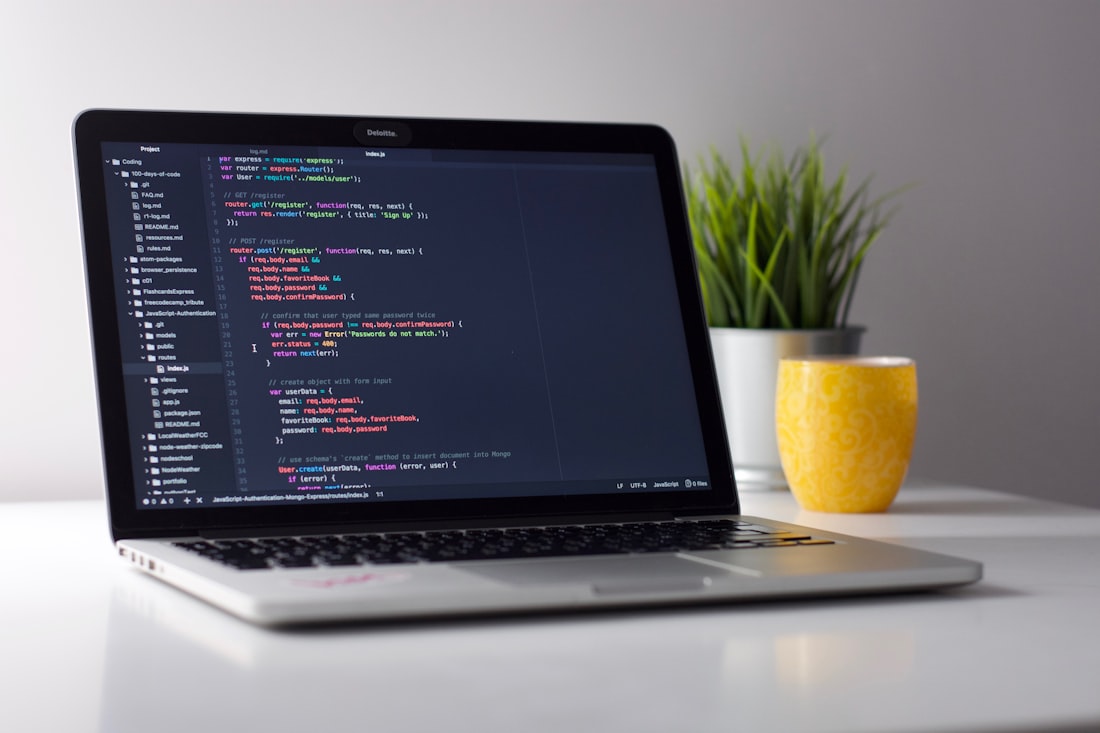
Code review and validation are taking up a growing share of developer time as more of the initial writing is handled by AI.
Skills That Are Holding Up, and Ones That Aren't
Systems thinking, the ability to reason about how a whole application fits together, why an architecture choice matters, and where the tradeoffs are, shows up consistently as the skill that's becoming more valuable, not less, as AI absorbs more of the mechanical coding work. The same senior-developer survey found 74% of respondents strengthened their technical skills through working with AI, and half reported an improved work-life balance, suggesting the transition isn't purely a story of displacement even for experienced developers who've adapted.
What's genuinely getting harder is the traditional entry path, junior roles that used to consist largely of well-scoped, repetitive coding tasks are exactly the tasks AI now handles fastest, which is why 58% of surveyed developers expect fewer entry-level positions specifically. For someone learning to program today, that points toward prioritizing the ability to review, debug, and reason about AI-generated code, and to clearly specify what a system needs to do, over pure syntax memorization, since syntax is precisely the part AI already handles well.
Code review and validation are taking up a growing share of developer time as more of the initial writing is handled by AI.
Bottom Line
The 2026 data points to transformation, not disappearance: senior developers are shifting toward architecture, specification, and review, junior hiring is genuinely getting harder as AI absorbs the tasks that used to train new developers, and code is shipping faster with a real, documented tradeoff in risk that makes review and testing more important, not less. For anyone learning to program now, systems thinking and the ability to critically evaluate AI-generated code are proving more durable than pure syntax skills.
More Guides, Written Clearly
Browse our full library of guides, updated regularly as tools and information change.
Common Questions
Will AI replace software developers?
Current data doesn't support that conclusion. Long-term labor projections still show meaningful job growth for software developers, but the day-to-day content of the role is shifting substantially toward architecture, specification, and reviewing AI-generated code rather than writing every line manually.
Is it harder to get an entry-level programming job because of AI?
Survey data suggests yes for the traditional path: 58% of developers in a 2026 industry survey believe automation will reduce entry-level tasks specifically, since AI now handles many of the well-scoped, repetitive tasks that used to train junior developers.
Is AI-generated code less safe than human-written code?
Some 2026 industry reporting suggests AI-assisted code can carry a meaningfully higher risk profile in certain measures even as it's produced faster, which is part of why code review and testing practices remain, if anything, more important as AI coding tools become more widely used.
What skills matter most for programmers in the AI era?
Systems thinking, architecture decisions, and the ability to specify requirements clearly and critically review AI-generated code are consistently highlighted as the skills holding up best, while pure syntax writing is the part being automated fastest.
More from the creator
Explore two other projects from the same creator.