What Is Vibe Coding? The AI Trend That's Rewriting Software
Vibe coding is the practice of describing what you want in plain English and letting an AI agent write, run, and fix the code — no syntax required. It went from a phrase coined by ex-Tesla AI director Andrej Karpathy in February 2025 to Collins Dictionary's Word of the Year within twelve months. Here's what it actually means, the tools people use to do it, and the trust gap nobody's fixed yet.

Vibe coding shifts the job from typing syntax to describing outcomes and reviewing what the AI built.
Describing the Outcome Instead of Writing the Code
Vibe coding describes a workflow where a person tells an AI agent what they want built, in ordinary language, and the AI generates, runs, tests, and often deploys the code itself. Instead of writing a function line by line, you might type "add a login page that emails a reset link if the password is wrong three times" and let the model figure out the implementation. The term was coined by Andrej Karpathy, former AI director at Tesla and a founding member of OpenAI, in a February 2025 post describing exactly this kind of loose, prompt-driven collaboration with AI.
It caught on fast because it matched what was already happening. Full-stack app generators like Lovable, Vercel's v0, Replit Agent, and Base44 let anyone go from a one-sentence prompt to a working web app, handling the interface, backend logic, and hosting in one pass. Developer-focused tools like Cursor, Claude Code, and Windsurf brought the same approach into professional codebases, letting an agent plan a feature, write it across multiple files, run the test suite, and open a pull request without a human touching a keyboard in between.
Everyone's Doing It. Fewer People Trust It.

The prompt has effectively become the new source code in a vibe coding workflow.
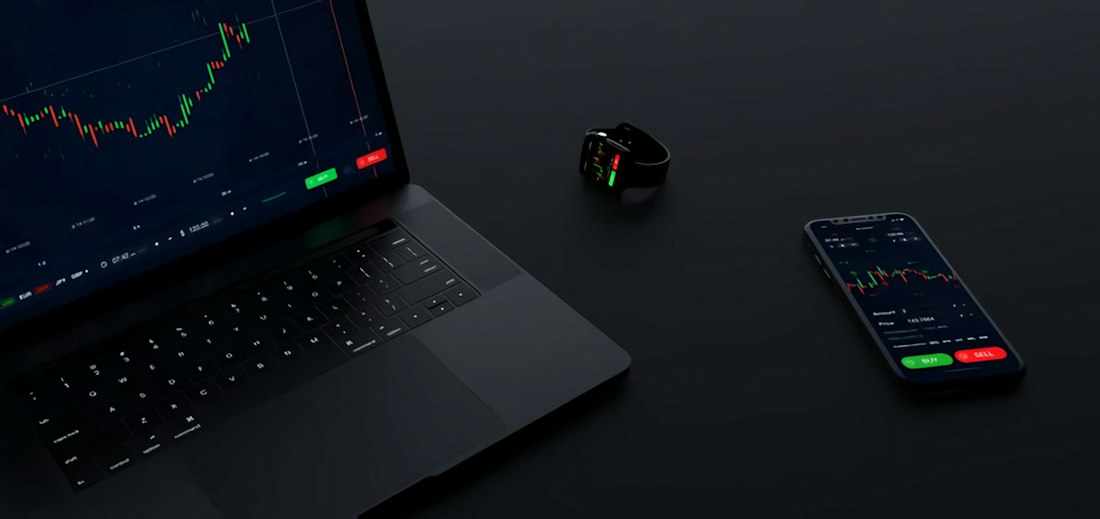
Reviewing what the agent shipped has replaced typing it as the developer's main job.
The number that defines 2026 in this space is the gap between adoption and confidence. Industry survey data aggregated across GitHub's Octoverse report, the Stack Overflow Developer Survey, and independent security assessments put daily AI-tool usage among developers at roughly 92%, up from 76% just two years earlier. At the same time, developer trust in the code those tools produce has fallen from around 40% to 29% in a single year, and one Stanford randomized controlled trial found developers using AI tools wrote less secure code while simultaneously feeling more confident about its security.
That combination isn't a contradiction, it's the actual state of the practice. Vibe coding is genuinely fast for prototypes, internal tools, and greenfield projects where a bug is an annoyance, not a liability. The risk shows up when ungoverned, AI-generated code reaches production without a review process built to catch what an agent doesn't flag on its own — independent security assessments have found the large majority of vibe-coded apps carry at least one AI-traceable vulnerability.
Full-Stack Generators
Tools like Lovable, v0, and Base44 turn a single prompt into a deployed web app end to end, aimed at non-developers and fast prototyping.
Agentic Coding Tools
Cursor, Claude Code, and Windsurf work inside real codebases, planning multi-file changes and running tests with limited supervision.
Long-Horizon Agents
The 2026 generation runs for hours unsupervised, handling a full feature build and returning a working pull request with tests attached.
Model Routing
Experienced users now route different parts of a task to different models — a fast model for boilerplate, a frontier model for architecture.
What Separates a Session That Ships From One That Loops Forever
The difference between vibe coding that produces something usable and vibe coding that spirals into repeated broken attempts almost always comes down to context. Vague requests like "make it better" give the model nothing concrete to act on. Requests that name the actual stack, reference an existing pattern in the codebase, and get broken into small steps consistently produce cleaner results than one giant ask for a finished feature.
- Prototypes and internal tools where speed matters more than polish
- Solo developers and small teams shipping a first version fast
- Boilerplate, migrations, and repetitive scaffolding work
- Production code handling payments, auth, or personal data without review
- Teams that adopt the tools faster than they build a review process
- Security-sensitive logic, since AI-written code trends less secure on average
Should You Actually Vibe Code Something?
Yes for speed. Add a review step before anything you'd call "done."
Vibe coding earns its adoption numbers — for prototyping, internal tools, and solo projects, describing an outcome and iterating with an agent is genuinely faster than writing every line by hand. The part worth taking seriously is the trust gap: treat anything an agent ships the same way you'd treat a first draft from a junior contractor, not a finished deliverable. Test what it produces, read the diff before you merge it, and keep a human in the loop on anything touching security or user data.
Frequently Asked Questions
Who coined the term vibe coding?
AI researcher Andrej Karpathy coined it in early 2025 to describe developing software by describing the desired outcome to an AI rather than writing every line by hand. The term went on to become Collins English Dictionary's Word of the Year for 2025.
Is vibe coding the same as using GitHub Copilot?
No. Copilot-style tools suggest code while you keep writing and reviewing it line by line. Vibe coding hands the writing itself to the AI agent, often across many files and steps, with your role shifting to describing outcomes and reviewing results rather than typing syntax.
Do I need to know how to code to try vibe coding?
You can produce a working prototype with zero coding background using tools built for it. But shipping something real to actual users without any technical review is where the risk shows up, since even experienced developers report AI-generated code needs a security and logic check before it goes live.
More AI Tool Guides, Written Clearly
Browse our full library of AI tool comparisons, updated as the category evolves.
More from the creator
Explore two other projects from the same creator.