Why AI Shopping Agents Are Starting to Challenge Traditional Online Shopping
The pieces for AI-driven shopping have quietly come together in 2026: agentic payment rails from Mastercard and Visa, browsing agents that can compare and check out on their own, and traffic data showing AI-referred shoppers converting at notably higher rates than typical search traffic. At the same time, Amazon has been actively blocking outside AI shopping agents from its own site, and most consumers remain hesitant to let an agent complete a purchase unsupervised. Here's the real, mixed state of AI shopping agents right now.
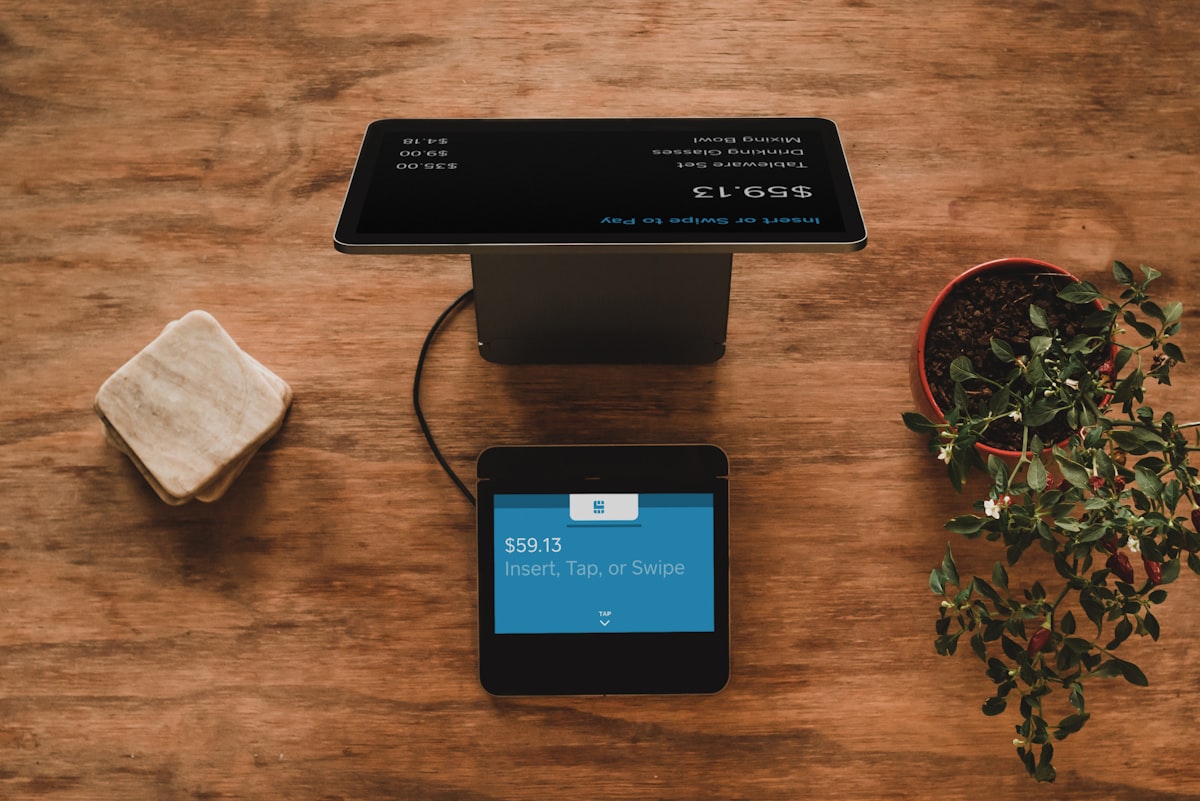
AI-referred shopping traffic is converting well, even as adoption of fully autonomous purchasing remains limited.
The Infrastructure Is Ready Before the Trust Is
Every piece needed for AI agents to genuinely shop on a person's behalf now technically exists: agentic payment rails that issue an agent a scoped virtual card, browsing agents capable of comparing products and completing checkout flows, and e-commerce data showing that when people do arrive via an AI referral, they convert at meaningfully higher rates than average search traffic. What's missing isn't the technology — it's broad consumer comfort handing the actual purchasing decision to an agent, and cooperation from major retailers who have reasons of their own to be cautious about it.
Amazon's Pushback Against Outside Shopping Agents
Amazon has taken active steps to block AI shopping agents that aren't its own from operating on its platform, a defensive move that reflects a real business tension: a retailer built around its own recommendation engine, advertising business, and Prime ecosystem has clear incentives to keep shopping decisions happening inside its own interface rather than being intermediated by an external agent that might route a purchase somewhere else entirely, or bypass the retailer's own paid placements and recommendations.
Where AI-Driven Shopping Is Already Working
Higher Conversion Rates
E-commerce traffic data through 2026 has repeatedly shown AI-referred shoppers converting at notably higher rates than typical search-driven visitors.
Real Payment Infrastructure
Mastercard's Agent Pay and Visa's Intelligent Commerce now let an agent complete an actual purchase with a scoped, limited virtual card.
Comparison Shopping at Scale
Agents can check prices and options across many sites faster and more thoroughly than a person manually opening tabs.
Growing But Still Cautious Adoption
Usage is trending upward, but surveys through 2026 continue to show most consumers reserving fully unsupervised purchasing for low-stakes items, if at all.
Bottom Line
AI shopping agents are already meaningfully reshaping e-commerce at the margins — better conversion on AI-referred traffic, real payment infrastructure, and growing use for comparison and research — without yet displacing traditional online shopping for most people's actual purchases. The tension between what agents can technically do and what major retailers like Amazon will let them do, combined with lingering consumer caution about handing over real purchasing decisions, means this looks like a gradual shift rather than an imminent overhaul of how people shop online.
Some Are Building Their Own
Blocking outside AI shopping agents isn't the only strategic response retailers have taken in 2026 — some have moved instead to build their own AI shopping assistants directly into their platforms, aiming to capture the benefits of AI-assisted shopping (higher engagement, better product discovery) while keeping the transaction and the data inside their own ecosystem rather than ceding it to an external agent. That split response — some retailers restricting outside agents while building their own, others staying more open to third-party agents reaching their platforms — means the shopping-agent landscape looks noticeably different depending on which retailer a person is actually trying to buy from, rather than following one consistent industry-wide policy.
The Next Year Will Reveal Whether This Sticks
Whether AI shopping agents become a genuinely mainstream way people buy things, or settle into a smaller niche mostly used for comparison and research rather than completed purchases, will likely become clearer over the next year as more retailers pick a clear stance, agentic payment adoption either accelerates or plateaus, and consumer surveys either show growing comfort with autonomous purchasing or continued hesitation. The infrastructure existing is a necessary condition for this category to grow, but on its own it isn't sufficient — the more interesting story from here is about consumer behavior and retailer policy, not further technology development.
The Core Facts, in One Place
In summary: the infrastructure for AI-driven shopping — agentic payment rails from Mastercard and Visa, capable browsing agents, and e-commerce data showing strong conversion on AI-referred traffic — is largely in place as of 2026, even as Amazon actively blocks outside shopping agents and most consumers remain cautious about letting an agent complete a purchase unsupervised. The result is a gradual, uneven shift rather than an overnight transformation of how people shop online, with retailer policy and consumer trust as the real remaining variables.
More AI Guides, Written Clearly
Browse our full library of AI tool guides, updated regularly as models and features change.
Common Questions
Are AI shopping agents actually replacing traditional online shopping?
Not yet broadly. AI-referred shopping traffic converts well and agentic payment infrastructure now exists, but most consumers remain hesitant to let an agent complete a purchase entirely on its own, and some major retailers restrict outside shopping agents.
Why is Amazon blocking AI shopping agents?
Amazon has business incentives to keep shopping decisions happening inside its own platform, where its recommendation engine, advertising business, and Prime ecosystem operate, rather than being intermediated by an external agent that might route purchases elsewhere.
What lets an AI agent actually complete a purchase?
Agentic payment infrastructure like Mastercard's Agent Pay and Visa's Intelligent Commerce issues an agent a scoped virtual card with spending limits, letting it complete a real transaction without exposing a person's actual card number.
Do AI-referred shoppers actually buy more?
E-commerce data through 2026 has repeatedly shown AI-referred traffic converting at meaningfully higher rates than typical search-driven visitors, even though the overall volume of AI-driven shopping traffic remains a smaller share of total traffic.
Which retailers are most open to AI shopping agents right now?
Openness varies significantly by retailer and changes over time as companies adjust their strategies; checking a specific retailer's current developer or partner policies is more reliable than assuming a blanket industry standard applies.
Is it safe to let a shopping agent complete a purchase with my card?
Using agentic payment infrastructure like Mastercard's Agent Pay or Visa's Intelligent Commerce, which issues a scoped virtual card rather than exposing your actual card number, is generally safer than giving an agent direct access to your real payment details.
Are smaller or newer retailers more open to AI shopping agents than large ones?
Openness varies by individual retailer's business strategy rather than following a strict size pattern, though retailers without their own large advertising or recommendation businesses to protect may have less incentive to restrict outside shopping agents than a company like Amazon does.
Do AI shopping agents work the same way across all online retailers?
No, functionality varies significantly by retailer, since some restrict outside AI shopping agents from operating on their platforms while others remain more open to them, so results can differ substantially depending on where a person is trying to shop.
Is AI shopping agent traffic already a significant share of total e-commerce traffic?
While AI-referred traffic has shown notably higher conversion rates, it still represents a smaller share of total e-commerce traffic compared to traditional search and direct traffic as of 2026.
More from the creator
Explore two other projects from the same creator.