Best AI Coding Tools for Beginners in 2026
An AI coding tool can either teach you to code or quietly do it for you while you learn nothing. For a beginner, that distinction matters more than raw capability. Here are the AI coding tools that actually work well for someone starting out in 2026, what makes each one beginner-friendly rather than just powerful, and how to use them without short-circuiting your own learning.
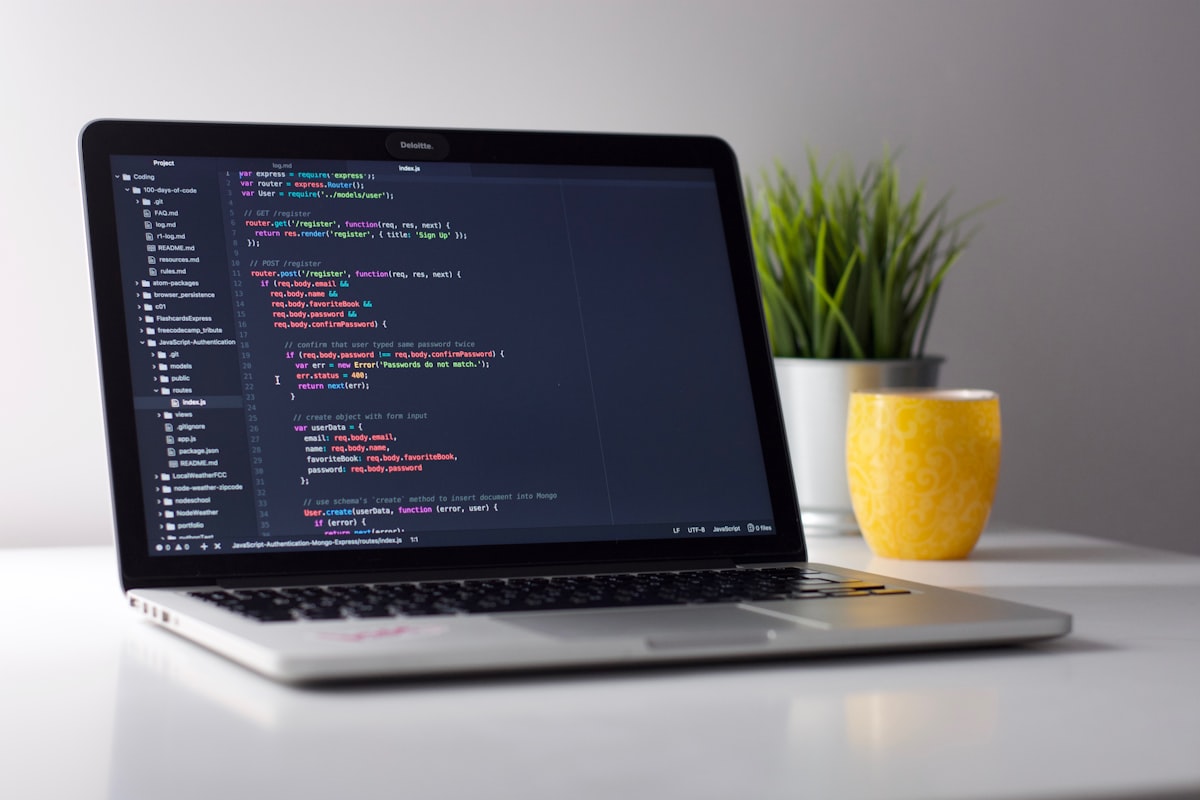
The best beginner AI coding tools explain their suggestions, not just insert them.
What Makes a Coding Tool Actually Good for Beginners
Most "best AI coding tool" lists are written for people who already know how to code and just want to go faster. A beginner has a different problem: the tool needs to help them build a correct mental model of what code does, not just produce code that happens to work. The tools below were chosen because they either explain their reasoning, keep you close to the code instead of hiding it entirely, or are structured specifically around learning rather than shipping.
The single biggest trap for a beginner using AI is accepting a suggestion without reading it. Every tool here works better if you make a habit of asking "why did you write it this way" before moving on, rather than tabbing through completions as fast as possible.
6 AI Coding Tools Worth Starting With
Claude or ChatGPT (chat-based)
Before touching an IDE integration, a plain chat interface is still one of the best ways to learn — you can paste an error, ask it to explain line by line, and ask follow-up questions the way you would with a patient tutor. The lack of inline autocomplete is a feature here, not a limitation, because it forces you to type the code yourself.
Replit with Replit Agent
Runs entirely in the browser, so there's no environment setup to get stuck on before you've written a line of code. Replit's Agent can scaffold a small project from a plain-language description, which is a good way to see a working structure before you understand every part of it.
GitHub Copilot
The most widely used inline AI coding assistant, and a reasonable second step once you're comfortable in an actual code editor like VS Code. Its suggestions tend to follow common patterns, which is useful for learning idiomatic code, but it's easy to over-rely on — deliberately writing a function yourself before accepting a suggestion is worth the discipline.
Cursor
An AI-native code editor built around a chat panel sitting next to your files, so you can ask about the specific code you're looking at rather than switching to a separate browser tab. Its free tier is generous enough for a beginner's early projects.
Codecademy's AI tutor
Built specifically for teaching rather than shipping production code, with structured lessons and an AI assistant that's tuned to explain concepts rather than just solve the exercise for you. A good fit if you want guardrails against skipping straight to the answer.
Google's Gemini (Canvas mode)
Free, browser-based, and Gemini's Canvas view lets you see and edit generated code directly, which is a gentler way to poke at AI output than a full IDE integration if you're still getting comfortable with a code editor's interface.
The Habit That Actually Matters
Ask Before Accepting
Before taking a suggestion, ask the tool to explain what it's doing and why, in plain language.
Type It Yourself Once
Retype a suggested solution from scratch after you've seen it, rather than only ever pasting or tabbing it in.
Break It on Purpose
Change one thing in working AI-generated code and see what breaks — that's often where real understanding comes from.
Start With Chat, Not Autocomplete
Inline autocomplete is easiest to use passively; a chat interface makes you articulate the problem first, which builds a more durable skill.
Bottom Line
For a true beginner, start with a chat-based tool like Claude or ChatGPT and a browser-based option like Replit before moving to an inline assistant like Copilot or Cursor. The inline tools are genuinely excellent, but they're easiest to use passively, and passive use is exactly what slows down learning to code in the first place. The goal in your first few months isn't speed — it's building the mental model that makes every AI coding tool more useful once you actually understand what it's suggesting.
What Trips Up Most Beginners Using AI to Learn
The most common mistake isn't picking the wrong tool — it's using the right tool the wrong way. Accepting every suggestion without reading it, asking the AI to "just fix it" instead of asking why something broke, and skipping straight to a finished solution instead of attempting the problem first are the three habits that most reliably slow down real learning, regardless of which tool is involved.
A useful test to apply to yourself periodically: close the AI tool and try to solve a slightly modified version of a problem you just "solved" with its help. If you can't, the tool did the thinking and you did the typing — worth noticing before it becomes a long-term pattern rather than an occasional shortcut.
It's also worth resisting the urge to use the most advanced tool available from day one. A beginner using Claude Code's full agentic capabilities to build an entire app in one prompt learns much less than one who uses a simple chat interface to work through a problem step by step, even though the first approach produces a more impressive-looking result faster.
More AI Guides, Written Clearly
Browse our full library of AI tool guides, updated regularly as models and features change.
Common Questions
What is the best free AI coding tool for someone who has never coded before?
A chat-based tool like Claude or ChatGPT's free tier, combined with a browser-based environment like Replit, is a strong starting combination since neither requires any setup and both let you ask questions in plain language.
Should a beginner use GitHub Copilot right away?
It's fine to use, but it's easiest to lean on passively since it suggests code inline as you type. Beginners tend to learn faster starting with a chat-based tool that requires you to ask questions, then adding an inline tool like Copilot once you're comfortable writing basic code yourself.
Can I actually learn to code using only AI tools?
AI tools can meaningfully speed up learning, but they work best alongside deliberate practice — writing code yourself, breaking things on purpose, and asking the tool to explain rather than just fix. Using AI purely to generate finished solutions tends to slow down real skill-building.
Is Cursor too advanced for a complete beginner?
Cursor is approachable for beginners since its free tier and chat panel are straightforward, though its full feature set (like custom rules and multi-file editing) is more useful once you already understand the basics of how a project is structured.
Do I need to pay for any of these tools to start learning?
No. Every tool on this list has a usable free tier, so cost isn't a real barrier to getting started with AI-assisted coding as a beginner.
How long should I rely on AI tools before trying to code without them?
There's no fixed timeline, but a reasonable habit is to periodically try solving a problem you've already gotten AI help with, entirely on your own, to check whether the underlying skill has actually transferred.
Will using AI tools from the start make me a worse programmer long-term?
Not inherently — the outcome depends much more on how you use them. Actively engaging with explanations and writing code yourself alongside AI assistance tends to build real skill, while passively accepting suggestions without understanding them tends to slow down genuine learning.
More from the creator
Explore two other projects from the same creator.