Can AI Search Engines Understand Entire Websites?
Not the way a person browsing every page would. AI search systems don't read a website front to back — they retrieve and reason over a handful of individual pages judged relevant to a specific question, which has real consequences for how completely a site's content actually gets understood.
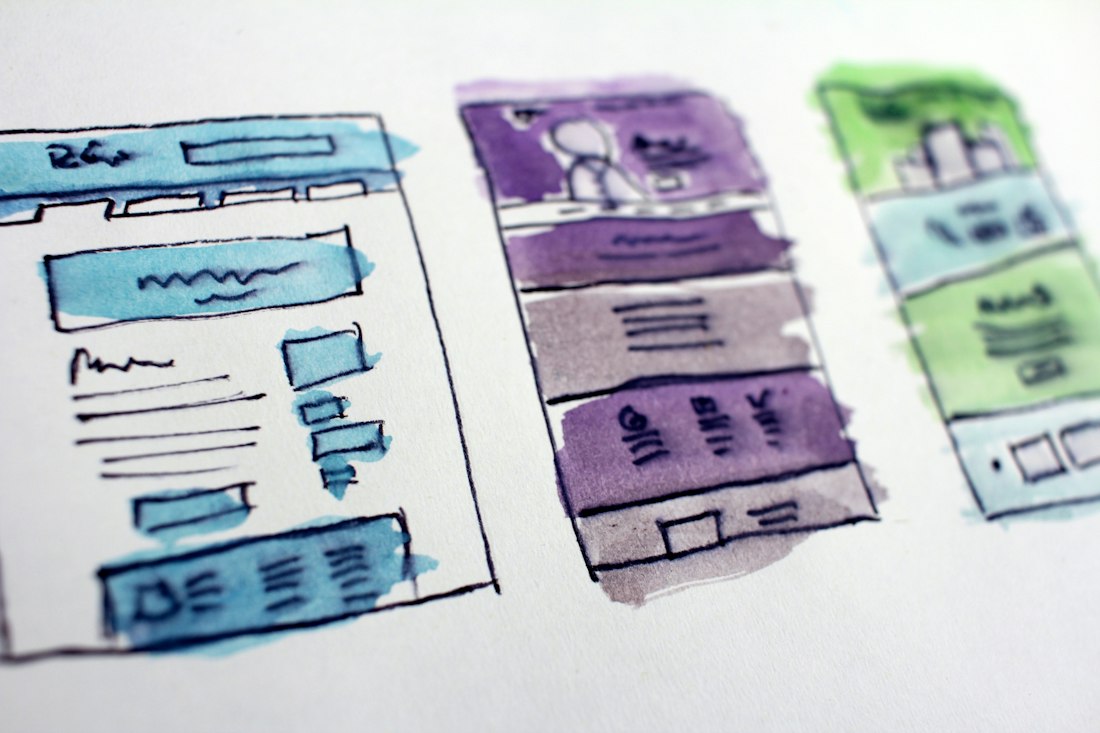
Retrieval pulls in individual pages judged relevant to a question — not a full read of the site behind them.
No — They Retrieve Pages, Not Whole Sites
AI search systems answer a question by retrieving a small number of individual pages judged relevant to that specific query, then reasoning over those pages — there's no step in the process where a model reads an entire website end to end the way a person clicking through every page might. This is fundamentally similar to how traditional search engines have long worked (indexing individual pages, not sites as single units), but it matters more for AI search because the retrieved pages directly become the material an answer is built from.
The practical consequence: a website's overall message or context, spread thinly across many pages, may never be fully assembled the way a human visitor exploring the site would naturally piece it together. A single page needs to largely stand on its own to be understood correctly, since it may be the only page from that site retrieved for a given question.
What Can Make a Site Harder to Understand
JavaScript-rendered content
Content requiring client-side JavaScript to appear is a common blind spot — some crawlers only read the initial HTML and miss content that loads afterward.
Blocked crawlers
If AI crawlers like GPTBot or PerplexityBot are disallowed in robots.txt, that content is generally invisible to retrieval entirely, by design.
Weak internal linking
Pages that aren't clearly linked from elsewhere on the site can be harder for a crawler to discover and connect to related content.
Very long or dense pages
Extremely long pages may be summarized or only partially represented during retrieval, so burying key facts deep in a page is a real risk.
Does a Site Map for AI Actually Help?
A proposed standard called llms.txt — a plain-text file summarizing a site's structure and key pages specifically for AI systems — has generated a lot of discussion since it was introduced in late 2024. As of 2026, the evidence for its practical impact is thin. Google's John Mueller has stated no major AI system is confirmed to use llms.txt for citation or understanding purposes, and studies specifically testing citation rates found no measurable visibility improvement from publishing one. It may still have value for agentic browsing tools navigating a site's structure more efficiently, but as a lever for being better "understood" by AI search specifically, it hasn't yet demonstrated a clear effect.
What does have a demonstrated relationship to understanding: clear internal linking, descriptive URLs, and consistent, accurate structured data — the same signals that have long helped traditional search engines parse a site's structure and hierarchy, now doing similar work for AI retrieval systems.
Frequently Asked Questions
Do AI search engines read a whole website before answering?
No — they retrieve and reason over a small number of individual pages judged relevant to a specific query.
Does llms.txt help AI systems understand a whole site?
The evidence is limited — no major AI system is confirmed to use it for citation, and studies found no measurable visibility improvement.
Can AI crawlers access JavaScript-rendered content?
It varies by crawler — content requiring client-side JavaScript is a common blind spot for crawlers that don't execute it.
Does site structure affect how well AI understands a site?
Yes — clear internal linking and consistent structured data help retrieval systems determine which pages relate to which topics.
Is there a limit to how much of a page gets processed?
In practice yes — very long pages may be summarized or only partially represented, so key facts shouldn't be buried deep in a page.
More AI Guides, Written Clearly
Browse our full library of AI explainers and how-tos, updated as the tools change.
More from the creator
Explore two other projects from the same creator.