Claude vs ChatGPT for Writing: A Task-by-Task Comparison
General comparisons of Claude and ChatGPT for writing tend to stay abstract — tone, structure, style. Here's a more practical way to decide: how they actually perform, task by task, on the specific kind of writing you need.
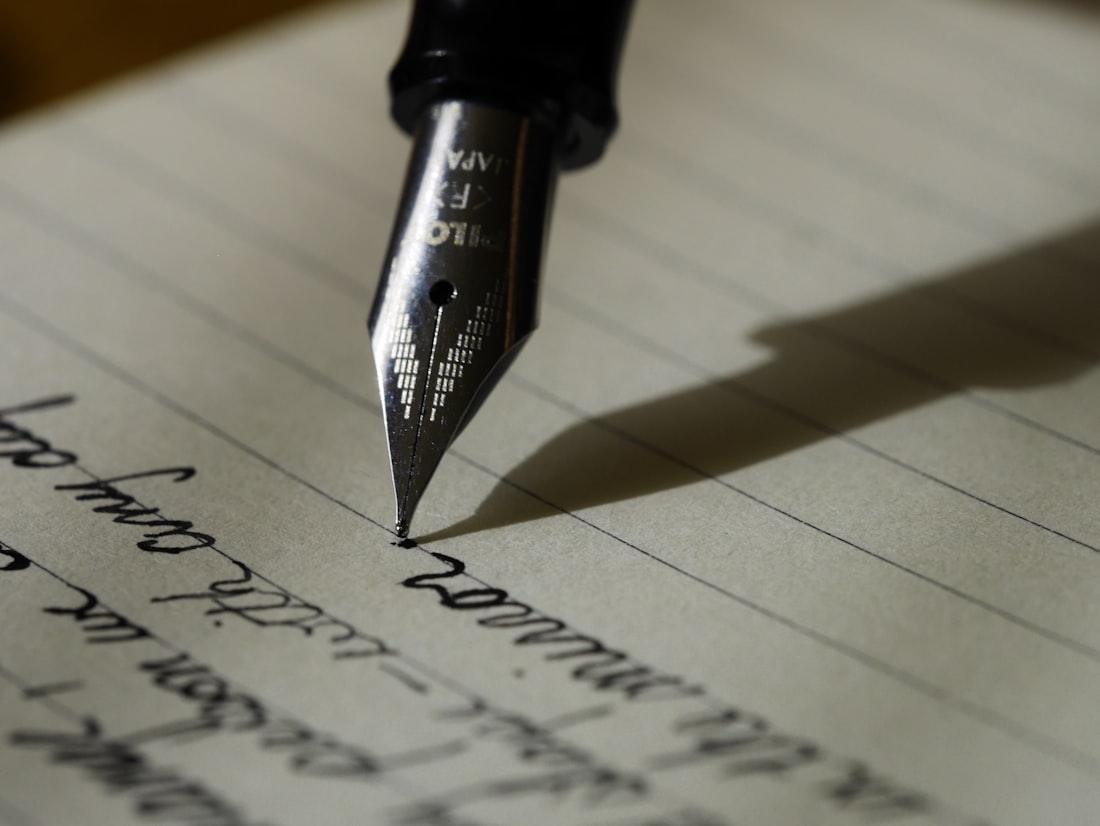
The real question isn't which tool writes better in the abstract, but which gets you to a strong draft faster for your specific task.
A Task-by-Task Way to Decide
General comparisons of Claude and ChatGPT for writing tend to talk in the abstract about "tone" and "structure." A more useful way to actually decide between them is to skip the abstraction and look at specific, common writing tasks side by side, since the two tools don't perform identically across every kind of writing. Claude has a strong reputation for longer-form, more careful writing — essays, reports, anything where a consistent voice across several pages matters. ChatGPT tends to feel more flexible across a wider range of shorter formats and casual registers, partly a function of its broader training and its long history of being tuned for a huge variety of everyday writing requests.
Both are capable of good writing in nearly every format; the differences here are about which one gets you to a strong first draft with less back-and-forth for a specific kind of task, not about one being categorically better.
How They Actually Compare by Format
Long-Form Essays and Reports
Claude's handling of a consistent voice and structure across several pages tends to require fewer revision passes for longer documents.
Marketing and Ad Copy
ChatGPT's broader tuning across punchy, high-energy commercial writing styles often produces a more usable first draft for short-form marketing copy.
Professional Emails
Both handle a standard professional email well; the difference here is negligible enough that whichever tool is already open is the practical choice.
Creative Fiction
Claude's prose style is often described as less cliché-prone in creative writing, though both benefit enormously from a detailed style brief either way.
Technical Documentation
Claude's more careful, structured approach tends to suit dense technical writing where consistency across many sections matters.
Social Media Captions
ChatGPT's flexibility across casual, trend-aware short-form writing gives it a slight edge for fast, punchy social content.
The real question isn't which tool writes better in the abstract, but which gets you to a strong draft faster for your specific task.
The Brief Matters More Than the Model
A vague request — "write me a blog post about X" — produces a generic, forgettable draft from either tool, while a detailed brief specifying audience, tone, length, and a few concrete examples of the style you want closes most of the gap between them. Before concluding one tool is simply worse at a given kind of writing, it's worth checking whether the prompt itself gave it enough to work with, since both models respond dramatically better to specificity than to a one-line request.
A Practical Test You Can Run Yourself
Take one real piece of writing you actually need — not a hypothetical example — and run the identical detailed prompt through both tools. Compare not just the first output but how each handles a specific revision request, like "make this more concise" or "match this reference voice more closely," since editing behavior often reveals more than the first draft does. Keep whichever tool required fewer rounds of revision for that specific kind of task as your default for similar work going forward, and repeat the test for genuinely different writing tasks rather than assuming one universal winner.
| Task Type | Tends to Need Fewer Revisions |
|---|---|
| Long-form essays and reports | Claude |
| Short marketing and social copy | ChatGPT |
| Technical documentation | Claude |
| Casual, everyday writing | Roughly even |
Common Writing Workflows
Drafting a Newsletter
Both handle a standard newsletter format well; a detailed brief matters more than which tool you pick.
Writing a Cover Letter
Claude's careful, structured tone tends to suit the more formal register a cover letter calls for.
Brainstorming Headlines
ChatGPT's flexibility across many quick variations makes it well-suited to rapid-fire headline brainstorming.
Editing a Draft for Tone
Both can match a reference tone if given clear examples; testing a specific revision request is the best way to see which handles your particular voice better.
Where People Get This Comparison Wrong
The most common mistake is generalizing from one writing task to all writing tasks — concluding a tool is "better at writing" from a single blog post comparison, when the actual gap can flip entirely for a different format. A second mistake is skipping the revision step entirely and judging only the first draft, when both tools' real usefulness in a professional writing workflow comes from how well they respond to specific edits over several rounds, not from a single generated draft.
It's also easy to underestimate how much providing reference examples changes the output. Pasting in a paragraph of your own past writing and asking either tool to match that voice specifically produces a meaningfully better result than a generic tone instruction like "make it professional."
For a Deeper Style Comparison, Go Further
This comparison focuses on matching format to tool for everyday writing tasks. For a deeper look specifically at tone control, long-form structural consistency, and editing behavior across the two models, a more detailed head-to-head breakdown is worth reading alongside this one.
Keep a Personal Style Reference File
Since providing a reference example of your own past writing meaningfully improves either tool's output, it's worth keeping a short file of your best previous writing in a few different registers — a formal email, a casual note, a longer piece — that you can quickly paste in whenever you're starting a new writing task. This turns a generic tone instruction into a concrete example either tool can actually match, and saves you from hunting for a good reference example each time you need one.
Updating that reference file occasionally as your own writing style evolves keeps it useful rather than anchoring every future piece of AI-assisted writing to an older version of your voice that no longer quite matches how you actually write today.
Over several months, that log becomes a genuinely useful personal reference, since it reflects your actual writing needs rather than a generic best-practice guide written for an average user who may write very differently than you do.
One underrated test: ask both tools to explain their own editorial choices after a revision — why they cut a particular sentence, or why they chose one word over another. The quality of that explanation, not just the revision itself, is often a good signal of how well a tool actually understood the brief versus pattern-matching a generic edit. Keeping a short log of which tool handled which type of task well over a few months turns this from a one-time guess into an actual, evidence-based default you can trust going forward.
Bottom Line
Neither tool wins writing outright — Claude tends to need fewer revisions for long-form and technical writing, ChatGPT for short, punchy, casual formats. The detail in your brief matters more than which tool you choose, so test both on your actual task before picking a default.
More AI Guides, Written Clearly
Browse our full library of AI tool guides, updated regularly as models and features change.
Common Questions
Is Claude or ChatGPT better for writing?
It depends on the format — Claude tends to hold up better for long-form essays and technical documentation, while ChatGPT tends to need fewer revisions for short, punchy marketing or social copy.
Does the quality of my prompt actually matter that much?
Significantly — a vague one-line request produces a generic draft from either tool, while a detailed brief with audience, tone, and reference examples closes most of the gap between them.
How should I actually test which tool fits my writing?
Run the same detailed prompt for a real piece of writing you need through both, then compare how each handles a specific revision request, not just the first draft.
Is there a deeper comparison of tone and style between the two?
Yes — a more detailed head-to-head specifically on tone control and long-form structure is worth reading alongside this task-by-task breakdown.
More from the creator
Explore two other projects from the same creator.