Huawei Atlas 960 Explained: Why AI Inference Hardware Is Becoming a Bigger Story
Training a frontier AI model gets most of the headlines, but running one at scale — inference — is where the real, ongoing hardware demand lives. Huawei's Atlas 960 SuperPoD, unveiled September 17, 2026 at Huawei Connect with 4,096 NPUs, is the company's latest move to build a serious inference-hardware alternative outside Nvidia's ecosystem, scaled back from an earlier, even larger 15,488-chip plan. Here's what the Atlas 960 actually is and why AI inference hardware specifically is becoming a bigger competitive story.
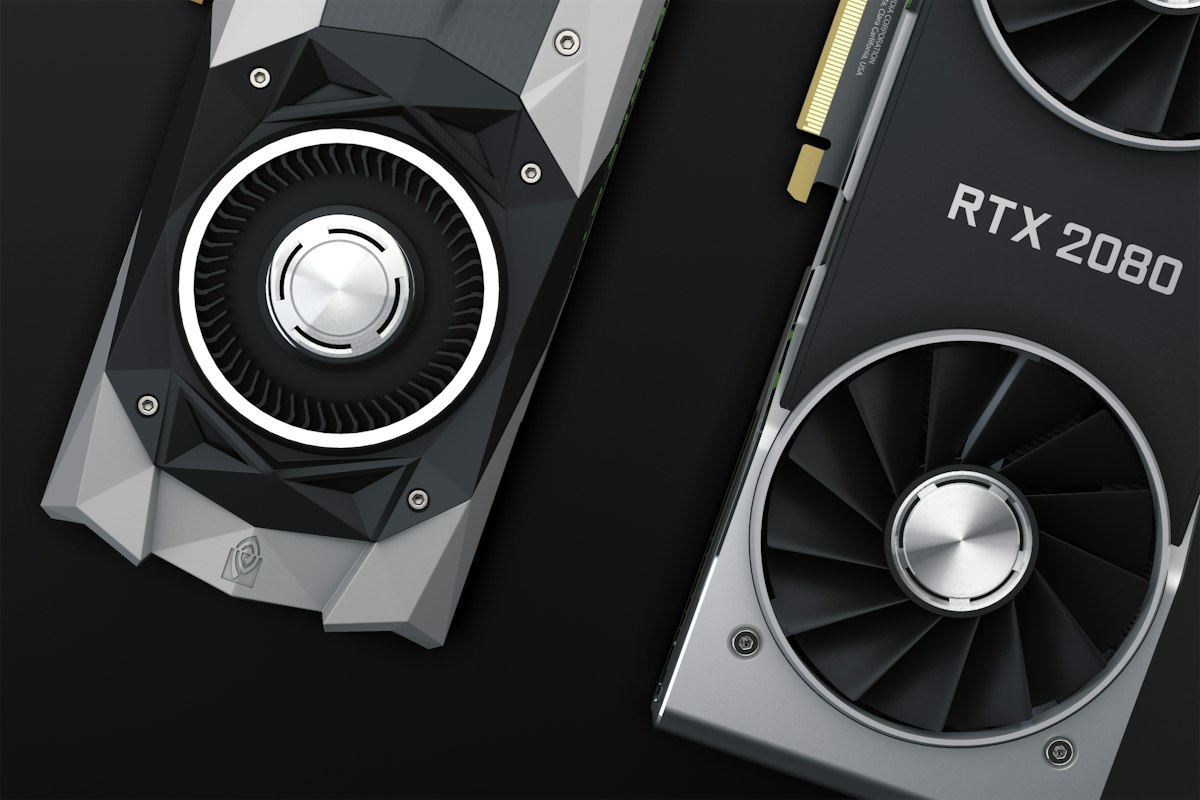
The Atlas 960 SuperPoD is built around 4,096 NPUs working together as one inference cluster.
Training vs. Inference — and Why Inference Is the Bigger Long-Term Market
Training a model happens once, at massive but finite scale. Inference — actually running that trained model to answer every user query, forever — happens continuously and at far greater cumulative volume once a product ships. Huawei's Atlas 960 SuperPoD is built specifically for that inference workload: a cluster of 4,096 NPUs (Huawei's own AI chip design, an alternative to Nvidia's GPUs) working together to serve model responses at scale, unveiled September 17, 2026 at Huawei Connect.
The 4,096-chip configuration is notably smaller than an earlier reported Huawei plan involving as many as 15,488 chips in a single SuperPoD, suggesting the company scaled back its most ambitious design — whether for cost, yield, power, or engineering reasons wasn't fully detailed in the announcement.
Building an Inference Alternative to Nvidia
Export-Control Context
US export controls on advanced chips to China have pushed Huawei to develop its own AI hardware stack rather than relying on Nvidia GPUs.
Inference-Specific Design
The Atlas 960 is built around serving trained models efficiently at scale, rather than optimizing for the training workloads Nvidia's chips have traditionally led on.
Domestic AI Infrastructure
The SuperPoD supports China's push toward AI infrastructure independent of US chip supply chains.
Scaled-Back Ambition
Dropping from a reported 15,488-chip plan to 4,096 suggests real-world engineering constraints shaped the final design.
Inference Hardware Is Becoming Its Own Competitive Category
As more AI products move from demo to daily use, the hardware cost of actually running them — not just training them — is becoming a larger and more visible line item for AI companies. That shift is why announcements like the Atlas 960 matter beyond China's domestic market: a credible, non-Nvidia inference hardware option changes the calculus for any company thinking about long-term AI infrastructure costs and supply chain dependency, even if adoption outside China remains limited by export restrictions and software ecosystem maturity.
Bottom Line
The Atlas 960 is a meaningful data point in Huawei's push to build a real AI hardware alternative, and the fact that it targets inference specifically reflects where the industry's actual cost pressure is heading. Whether it becomes a serious competitor to Nvidia's inference hardware outside China depends on independent performance verification and software ecosystem support that hadn't fully materialized as of this writing — worth watching rather than assuming based on the launch announcement alone.
Why Huawei Is Building Its Own Chip Ecosystem at All
None of this happens in a vacuum. US export controls have restricted Chinese companies' access to Nvidia's most advanced AI chips for several years, pushing Huawei and other Chinese firms to invest heavily in developing domestic alternatives rather than relying on a supply chain the US government can restrict at will. The Atlas 960 is one visible output of that pressure — a genuine engineering effort to build competitive AI infrastructure independent of components subject to export restriction, even if it means scaling back the most ambitious version of a design when reality doesn't match the original plan.
Independent Benchmarks Will Be the Real Test
Huawei's own announcement materials naturally present the Atlas 960 in the best possible light, which is standard practice for any hardware launch regardless of the company. The more meaningful signal will come from independent, third-party benchmarking once the hardware is more widely accessible for testing, along with real adoption data showing how many companies and workloads actually move onto Huawei's inference stack rather than staying on Nvidia-based infrastructure where export rules allow it. Those two data points, not the launch announcement itself, are what will actually determine whether the Atlas 960 becomes a credible long-term alternative.
The Core Facts, in One Place
To recap: Huawei unveiled the Atlas 960 SuperPoD on September 17, 2026 at Huawei Connect, a 4,096-NPU inference cluster built as a non-Nvidia alternative amid ongoing US export controls, scaled back from an earlier reported plan involving as many as 15,488 chips. It's a significant step in China's push toward AI hardware independence, though independent performance verification against equivalent Nvidia configurations remained limited as of this writing.
More AI Guides, Written Clearly
Browse our full library of AI tool guides, updated regularly as models and features change.
Common Questions
What is the Huawei Atlas 960?
It's an AI inference hardware cluster, called a SuperPoD, unveiled by Huawei on September 17, 2026 at Huawei Connect, built around 4,096 of Huawei's own NPU chips working together.
How is inference different from training in AI?
Training builds a model once, at large but finite computational cost. Inference is running that trained model to actually answer every user request afterward, which happens continuously and at greater cumulative scale over a product's lifetime.
Why did Huawei scale back from a larger chip count?
Earlier reports described a Huawei plan involving as many as 15,488 chips in a single SuperPoD; the 4,096-chip Atlas 960 that was actually announced is notably smaller, though Huawei didn't fully detail the reasons for the change.
Does the Atlas 960 compete directly with Nvidia?
It's built as a non-Nvidia alternative for AI inference workloads, largely driven by US export controls limiting Huawei's access to advanced Nvidia GPUs. Independent benchmarks directly comparing the two weren't widely available as of this writing.
Can companies outside China buy Huawei's Atlas hardware?
Export restrictions and geopolitical considerations significantly limit Huawei's AI hardware sales outside China and a handful of other markets, so widespread adoption elsewhere remains unlikely under current conditions.
How does the Atlas 960 compare in raw performance to Nvidia's top inference chips?
Independent, third-party benchmarks directly comparing the Atlas 960 to equivalent Nvidia configurations were not widely available as of this writing, so performance claims from either side should be treated cautiously until verified.
When will independent benchmarks of the Atlas 960 likely be available?
No specific timeline was given at launch. Independent benchmarking typically follows once hardware becomes more broadly accessible to researchers and reviewers outside the company that built it, which can take months after an initial unveiling.
What does NPU stand for in the context of the Atlas 960?
NPU stands for Neural Processing Unit, a type of chip specifically designed to accelerate AI workloads like inference, functioning as Huawei's alternative to Nvidia's GPU-based approach.
Is the Atlas 960 meant for training AI models or just running them?
The Atlas 960 SuperPoD is specifically positioned around inference workloads — running already-trained models at scale — rather than being marketed primarily as training hardware.
Who is the primary customer for Atlas 960 hardware?
Given current export restrictions, Chinese cloud providers, domestic AI companies, and government-linked infrastructure projects are the most likely primary customers for the Atlas 960 rather than international buyers.
Does Huawei sell software alongside the Atlas 960 hardware?
Huawei has generally paired its Atlas hardware line with its own supporting software stack, aiming to offer a more complete package rather than hardware alone, though specifics for the 960 weren't the focus of the September unveiling.
More from the creator
Explore two other projects from the same creator.