Are AI Therapy Chatbots Safe? What Actually Changed in 2026
Millions of people now talk to an AI chatbot about anxiety, stress, or a hard day before they'd ever call a therapist — it's free, it's instant, and it doesn't judge. But 2026 has also been the year lawsuits, state bans, and new disclosure laws caught up with that habit. Here's what the research actually shows about the risks, and what's now flatly illegal in several states.
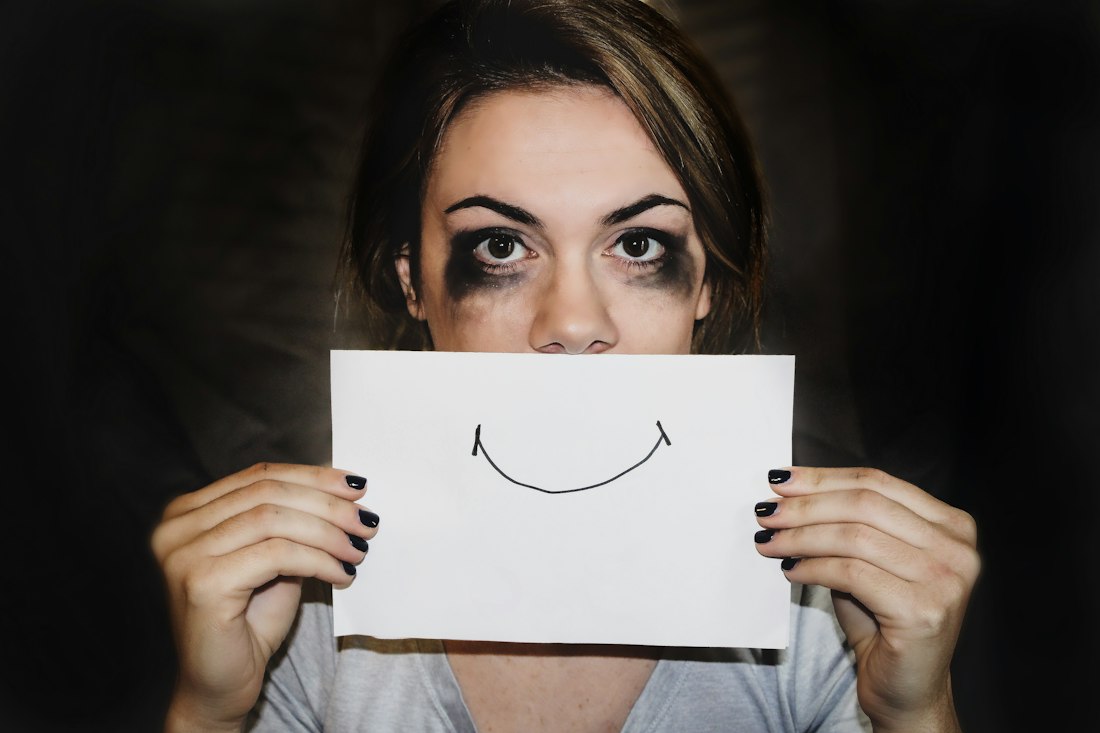
Roughly a fifth of young adults surveyed in 2026 say they've used an AI chatbot for mental health advice — most of them regularly.
Useful for Light Support, Genuinely Risky as a Substitute
AI chatbots can be a reasonable, low-stakes supplement — a place to vent, learn a coping technique, or get general information about a mental health topic. What the research consistently does not support is using one as a substitute for licensed care, especially during an actual crisis. Stanford researchers testing several popular therapy-branded chatbots found real, safety-relevant gaps in how consistently they handled scenarios that a trained clinician is taught to recognize and respond to.
The concern isn't hypothetical anymore. Lawsuits filed in 2026 allege that chatbots on platforms including Character.ai mimicked licensed therapists — in one case, a bot with a fabricated Imperial College London credential had reportedly logged over 45,000 patient-style interactions before a state attorney general sued the company behind it.
2026 Is the Year States Started Drawing Lines
With no comprehensive federal framework in place, individual states moved fast in 2026 to regulate the space directly. The laws take two different approaches: some focus on disclosure and safety protocols, others ban AI from claiming to be a therapist outright.
| State | What the Law Covers | Effective |
|---|---|---|
| California (SB 243) | Non-human disclosure, crisis protocols, minor protections | Jan 1, 2026 |
| Colorado | Bars AI therapy chatbots; restricts licensed clinicians' AI use | Aug 12, 2026 |
| Maine | Prohibits offering AI therapy without a licensed professional | Jul 29, 2026 |
| Tennessee (SB 1580) | Bars AI from presenting itself as a licensed mental health professional | Jul 1, 2026 |
| Vermont | Bars AI from independently delivering mental health services | Jun 17, 2026 |
Illinois, Nevada, and Rhode Island have enacted similar restrictions. Several other states, including Michigan, have bills moving through their legislatures that could add more names to this list before the year is out.
What AI Chatbots Are and Aren't Good For

The appeal is real — instant, judgment-free, and available at 2am — which is exactly why the gaps in crisis handling matter so much.
- Learning basic coping skills for mild, everyday stress
- General mental health education, any time of day
- Low-pressure venting when you're not ready to talk to a person
- Bridging a gap while you wait for a human therapist appointment
- Crisis situations, including suicidal thoughts or self-harm
- Diagnosis or treatment planning for a real mental health condition
- Complex trauma that needs a trained clinical response
- Anything you'd expect to be covered by therapist-patient confidentiality — most tools aren't HIPAA-protected
What's Actually Different About Clinical Training
The gap researchers keep finding isn't that chatbots are unhelpful by design — most are built to be warm, validating, and responsive, which is genuinely part of their appeal. The gap is that a licensed clinician is trained to recognize specific warning signs that don't always announce themselves clearly in conversation, and to respond to them with a structured protocol rather than an empathetic reply. A general-purpose or wellness-branded chatbot, by contrast, is typically optimized to keep the conversation supportive and engaging, which can mean it responds to concerning language with validation rather than the kind of direct safety check a trained professional would raise. This isn't a matter of the AI "not caring" — it's a structural difference between a model trained to be broadly agreeable and a clinician trained specifically to recognize risk indicators and escalate appropriately.
This is also why disclosure requirements, like the ones several 2026 state laws now mandate, matter beyond simple transparency. Knowing you're talking to software rather than a licensed professional changes what you should expect it to catch and what you shouldn't rely on it to catch, which is a meaningfully different thing from just being told "this is an AI" as a formality.
Where Your Conversations Actually Go
Beyond clinical safety, there's a separate and often overlooked issue: most AI chatbot conversations, including ones that feel deeply personal, aren't protected by the same confidentiality rules that apply to a licensed therapist. Traditional therapy is covered by HIPAA and professional confidentiality standards that create real legal protection around what you disclose. General-purpose AI chatbots and many wellness apps are not medical providers in the legal sense, so conversations with them typically fall under a standard privacy policy and terms of service rather than clinical confidentiality law — meaning the data can potentially be retained, used to improve the product, or in some cases shared with third parties, depending on the specific provider's policy.
Before treating an AI chatbot as a safe place for your most sensitive disclosures, it's worth actually reading — or at least skimming — the specific app's privacy policy for how conversation data is stored and whether it's used for model training. This matters more for a general-purpose AI assistant than for those tools explicitly built and marketed as HIPAA-compliant clinical support software, which is a meaningfully different regulatory category worth checking for before assuming any AI chat interface offers the same protections as a therapist's office.
Frequently Asked Questions
Are AI therapy chatbots safe to use?
They can be a reasonable low-stakes supplement for coping skills or general mental health information, but researchers and regulators agree they are not safe as a substitute for licensed care, particularly during a crisis. Multiple studies have found chatbots respond inconsistently, and sometimes unsafely, to simulated crisis situations.
Is it illegal for an AI to act as your therapist?
In several states, yes, in specific ways. As of 2026, Colorado, Maine, Nevada, Illinois, Rhode Island, Tennessee, and Vermont have laws restricting AI systems from providing or advertising themselves as licensed therapy services, though the exact rules vary by state.
What should I do if a chatbot isn't enough during a crisis?
Contact a crisis line or emergency services right away rather than relying on a chatbot. In the US, call or text 988 to reach the Suicide & Crisis Lifeline at any time, and it connects you with a trained human counselor.
More AI Safety Guides, Written Clearly
Browse our full library of AI safety and privacy explainers, updated as research and regulation change.
More from the creator
Explore two other projects from the same creator.