Berberine: The Supplement Hyped as "Nature's Ozempic"
Berberine went from a niche traditional-medicine compound to a TikTok sensation almost overnight, riding the coattails of GLP-1 drug hype with a nickname that promises far more than the research delivers. Strip away the marketing and there's a genuinely interesting supplement underneath — one with real clinical trial data, but for a different job than the one it's famous for now. Here's what berberine is actually shown to do, and where the "nature's Ozempic" framing falls apart.
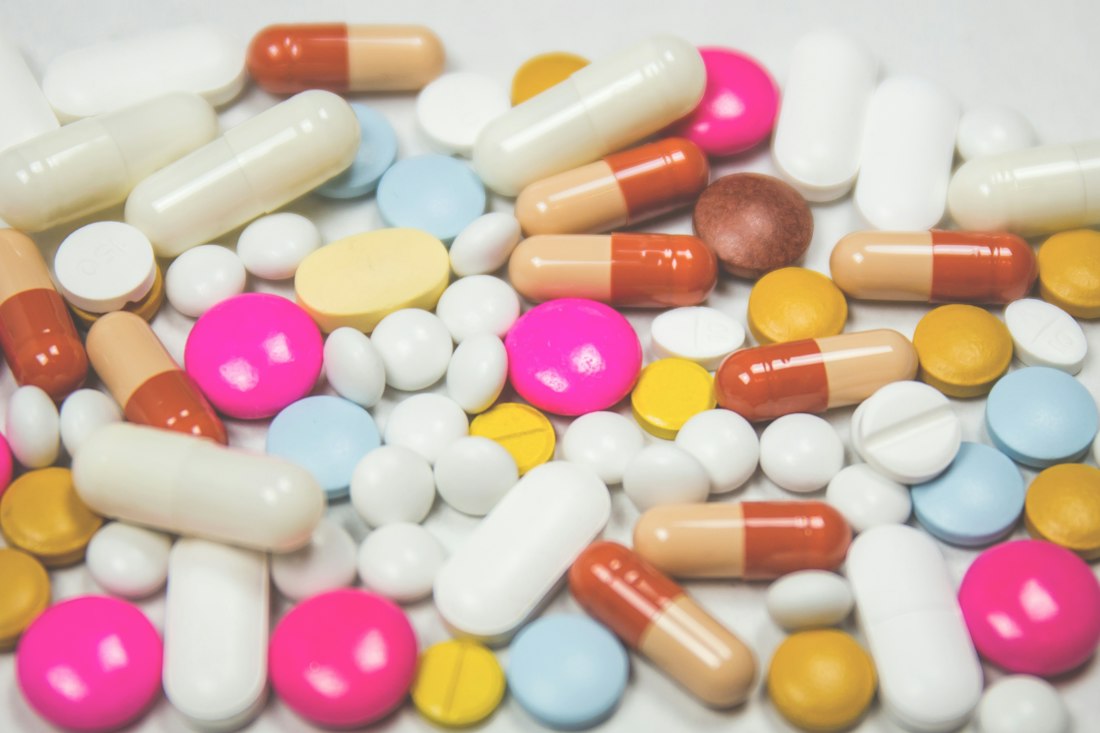
Berberine is sold as a standalone supplement, typically in capsule form, and isn't regulated with the same rigor as a prescription medication.
Why "Nature's Ozempic" Oversells It
The comparison to Ozempic is mostly a marketing artifact of timing — berberine's social media surge happened alongside peak GLP-1 hype, and someone found a way to link the two. But the mechanisms aren't equivalent. GLP-1 drugs work by mimicking a gut hormone that suppresses appetite and slows gastric emptying, producing weight loss in the 10-15% range or more in clinical trials. Berberine's proposed mechanism is different: it activates an enzyme called AMPK, sometimes called a cellular "metabolic master switch," which influences glucose uptake and fat metabolism at a more modest scale. Studies that have measured weight change with berberine typically find effects of a few pounds over a few months — real, but nowhere near GLP-1 territory.
Blood Sugar and Cholesterol, Not Weight Loss

Berberine's best-established use case is metabolic — blood sugar and lipid management — not the weight-loss framing that made it famous.
The strongest, most consistent evidence for berberine sits in glucose metabolism. Multiple randomized controlled trials and several meta-analyses in people with type 2 diabetes have found meaningful reductions in fasting blood glucose and HbA1c, with some studies reporting effects roughly comparable to metformin — a genuinely notable finding for a supplement, and part of why it's taken seriously in metabolic health research despite the hype cycle around it. There's also reasonably solid evidence for improvements in LDL cholesterol and triglycerides, making it of interest for cardiometabolic risk more broadly, not just blood sugar in isolation.
Blood Glucose
Multiple trials show meaningful fasting glucose and HbA1c reductions in type 2 diabetes, in a range some researchers compare to metformin.
LDL Cholesterol
Several studies report modest but consistent reductions in LDL and triglycerides alongside glucose improvements.
Weight Loss
Effects are real but modest — typically a few pounds over months, not the double-digit percentage losses seen with GLP-1 drugs.
Long-Term Data
Most trials run 8-16 weeks; long-term safety and efficacy data beyond that window remains limited.
The Part Social Media Tends to Skip
- Healthy adults using it short-term at studied doses (roughly 500mg, two to three times daily)
- People already working with a doctor on blood sugar or cholesterol management
- Those without other medications that interact with it
- Can compound the blood-sugar-lowering effect of diabetes medications, raising hypoglycemia risk
- Interacts with drugs metabolized by the CYP3A4 liver enzyme, altering their blood levels
- GI side effects (diarrhea, cramping) are common and dose-dependent
- Not established as safe in pregnancy — should be avoided
Because it's sold as a supplement rather than a prescription drug, berberine doesn't go through the same premarket safety and efficacy review the FDA requires for medications, and product quality and dosing accuracy can vary between brands. Anyone on diabetes medication, blood thinners, or drugs with known CYP3A4 interactions should talk to a doctor before adding it, not after starting it.
Is Berberine Worth Trying?
Worth considering for blood sugar support — not as a GLP-1 substitute.
Judged on its actual evidence base, berberine is a legitimately interesting metabolic supplement with real clinical data behind its glucose and cholesterol effects. Judged against the "nature's Ozempic" framing that made it famous, it's a significant overstatement — the weight-loss effect size simply isn't in the same category. If you're managing blood sugar or cholesterol and want to discuss it with your doctor as an adjunct, that's a reasonable conversation. If you're hoping for GLP-1-level weight loss, it's very unlikely to deliver that.
Frequently Asked Questions
Is berberine really "nature's Ozempic"?
No, not in terms of effect size. GLP-1 drugs like Ozempic typically produce 10-15% or more body weight loss in trials; berberine's studied weight effects are far more modest, generally a few pounds over a few months, and its main evidence base is for blood sugar and cholesterol markers, not weight loss specifically.
What does berberine actually have good evidence for?
Blood sugar control is the strongest evidence area. Multiple clinical trials and meta-analyses have found berberine can meaningfully lower fasting blood glucose and HbA1c in people with type 2 diabetes, with effects in some studies comparable to metformin. It also has reasonably consistent evidence for improving LDL cholesterol and triglycerides.
Is berberine safe to take?
For most healthy adults at studied doses it appears reasonably safe short-term, though GI side effects like diarrhea and cramping are common. It has real, documented drug interactions — particularly with diabetes medications, where it can compound blood-sugar-lowering effects, and with certain drugs metabolized by the CYP3A4 liver enzyme pathway. It should not be used during pregnancy.
More Health Guides, Written Clearly
Browse our full library of health explainers, updated as new research comes in.
More from the creator
Explore two other projects from the same creator.