Dehydration vs Heat Exhaustion: Telling Them Apart
Tired, dizzy, and craving water on a hot day — it's easy to assume it's just dehydration and wait it out. But heat exhaustion is a distinct, more serious condition that can develop on top of dehydration, and confusing the two can mean missing the point where rest and water alone stop being enough and real medical attention becomes necessary.
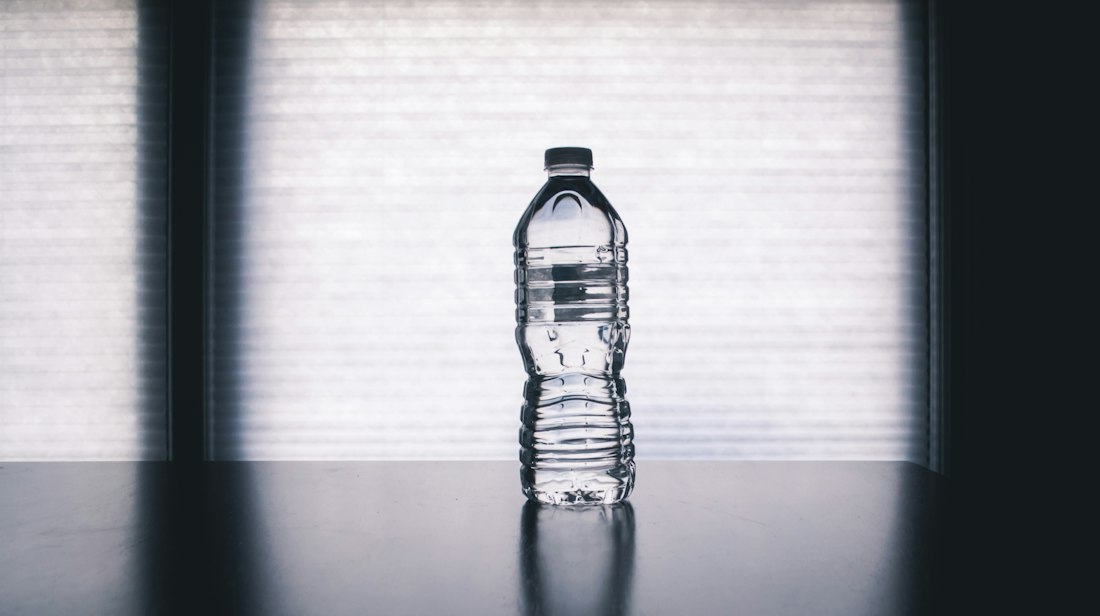
Sipping water regularly throughout a hot day prevents both dehydration and the heat exhaustion that can follow it.
Related, But Not the Same Thing
Dehydration is simply a lack of fluids in the body relative to what it needs, and it can happen in any temperature, hot or cold, from not drinking enough, sweating heavily, or losing fluids through illness. Heat exhaustion is a specific heat-related illness that develops from prolonged exposure to high temperatures, usually made worse by dehydration and physical exertion. Every case of heat exhaustion involves some degree of dehydration, but not every case of dehydration involves heat exhaustion. The distinction matters because heat exhaustion is the more serious of the two and, left untreated, can progress to heat stroke, a genuine medical emergency.
How the Symptoms Actually Differ
| Feature | Dehydration | Heat Exhaustion |
|---|---|---|
| Cause | Lack of fluid intake | Prolonged heat exposure plus fluid loss |
| Body temperature | Usually normal | Mildly elevated, but below 103°F |
| Sweating | Reduced or normal | Often heavy |
| Skin | Dry or slightly dry | Cool and clammy |
| Pulse | Normal or slightly fast | Rapid, sometimes weak |
| Key symptoms | Thirst, dry mouth, dark urine, fatigue | Dizziness, nausea, headache, muscle cramps, fainting |

Getting to shade and cooling down quickly is the first step for both dehydration and heat exhaustion.
Why They Happen, and How One Leads to the Other
Dehydration happens whenever the body loses more fluid than it takes in — from not drinking enough, sweating, vomiting, diarrhea, or a combination. It doesn't require heat at all; it's just as possible to become dehydrated in cold weather from heavy exertion or illness as it is on a summer afternoon.
Heat exhaustion, by contrast, is specifically tied to the body's temperature regulation system becoming overwhelmed. As the body works to cool itself through sweating, it loses both water and electrolytes (particularly salt), and if that loss isn't adequately replaced, especially during prolonged heat exposure or physical exertion, the body's ability to cool itself further degrades. This is the mechanism by which existing dehydration makes heat exhaustion both more likely and more severe when it does occur: reduced fluid and electrolyte levels compromise the sweating response that's supposed to be protecting the body from overheating in the first place.
Humidity plays a bigger role in this than most people expect. Sweat only cools the body effectively when it evaporates, and high humidity slows evaporation, which means the body's primary cooling mechanism becomes less efficient exactly when it's needed most. This is why heat exhaustion risk climbs sharply on hot, humid days even when the actual air temperature isn't dramatically higher than a hot, dry day that feels more tolerable.
What to Actually Do
- Sit down and drink water steadily, not all at once
- Consider an oral rehydration solution if losses are significant (vomiting, diarrhea, heavy sweating)
- Rest and monitor symptoms until they clearly improve
- Move to a cool or shaded area immediately
- Remove excess clothing and apply cool, wet cloths to the skin
- Sip water or an electrolyte drink slowly
- Seek medical care if there's no improvement within about an hour, or if symptoms worsen
Factors That Raise the Risk of Both
Age
Young children and older adults are more vulnerable to both conditions, since their bodies regulate fluid balance and temperature less efficiently.
Chronic conditions
Heart disease, kidney disease, and diabetes can all impair the body's ability to manage fluids and heat effectively.
Certain medications
Diuretics, some blood pressure medications, and certain psychiatric drugs can increase fluid loss or impair the body's heat response.
Physical exertion in heat
Athletes, outdoor workers, and anyone exercising vigorously in hot or humid conditions face substantially elevated risk for heat exhaustion specifically.
Preventing Both Before They Start
The single most effective habit for preventing both conditions is drinking water consistently throughout the day, rather than waiting until thirst kicks in, since thirst itself is already a sign that mild dehydration has begun. On hot days or during physical exertion, this means drinking on a schedule rather than relying purely on how thirsty you feel, and adding electrolytes (through a sports drink, oral rehydration solution, or simply salted food) if you're sweating heavily for an extended period.
Timing outdoor activity to avoid the hottest part of the day, wearing light, breathable clothing, and taking regular breaks in shade or air conditioning during prolonged heat exposure all reduce the risk of heat exhaustion specifically. Acclimatization matters too: people who aren't used to hot climates or intense heat are at meaningfully higher risk in the first several days of exposure, which is part of why heat exhaustion cases often cluster around the start of a heat wave or shortly after someone travels to a much hotter environment than they're used to.
Checking urine color is a simple, practical way to monitor hydration status throughout the day without needing any special equipment: pale yellow generally indicates adequate hydration, while dark yellow or amber suggests it's time to drink more. This isn't a perfect measure (certain vitamins and medications can affect urine color independent of hydration), but it's a reasonably reliable everyday check that costs nothing and requires no planning ahead.
When It's Becoming a Medical Emergency
Heat exhaustion that isn't addressed can progress to heat stroke, which is a genuine medical emergency requiring immediate care. The distinguishing signs are a body temperature above 103°F (39.4°C), skin that turns hot and dry rather than staying cool and clammy, confusion or disorientation, loss of consciousness, or vomiting severe enough to prevent keeping fluids down. Call emergency services right away if any of these appear — heat stroke can cause organ damage within a short window and shouldn't be managed with home first aid alone.
While waiting for emergency help to arrive, moving the person to shade, removing excess clothing, and applying cool water or ice packs to the neck, armpits, and groin (areas where blood vessels sit close to the skin) can help bring body temperature down faster than shade and rest alone. Do not attempt to force fluids on someone who is confused or losing consciousness, since this creates a choking risk; focus on cooling the body and getting professional medical help en route as quickly as possible.
Frequently Asked Questions
What is the main difference between dehydration and heat exhaustion?
Dehydration is simply a lack of fluids in the body and can happen in any temperature, while heat exhaustion is a heat-related illness caused by prolonged exposure to high temperatures, usually combined with dehydration and physical exertion. Heat exhaustion involves a mildly elevated body temperature; dehydration alone usually does not.
Can dehydration turn into heat exhaustion?
Yes. Untreated dehydration in hot conditions is one of the main paths to developing heat exhaustion, since the body's reduced fluid and electrolyte levels make it harder to regulate temperature through sweating.
When does heat exhaustion become a medical emergency?
Heat exhaustion becomes an emergency if it progresses to heat stroke, signaled by a body temperature above 103°F (39.4°C), confusion, loss of consciousness, hot and dry (rather than sweaty) skin, or vomiting that prevents rehydration. Call emergency services immediately if these signs appear, and don't wait to see if things improve on their own.
More Guides, Written Clearly
Browse our full library of AI and health explainers, updated as tools and guidance change.
More from the creator
Explore two other projects from the same creator.