Rosacea: Symptoms, Triggers, and What Actually Helps
A face that stays flushed long after the blushing should have faded, redness that keeps coming back across the cheeks and nose — rosacea gets mistaken for sunburn, sensitive skin, or plain old acne more often than it gets correctly named. Here's what the symptoms actually look like, which triggers tend to set off flare-ups, and what treatment can realistically achieve.
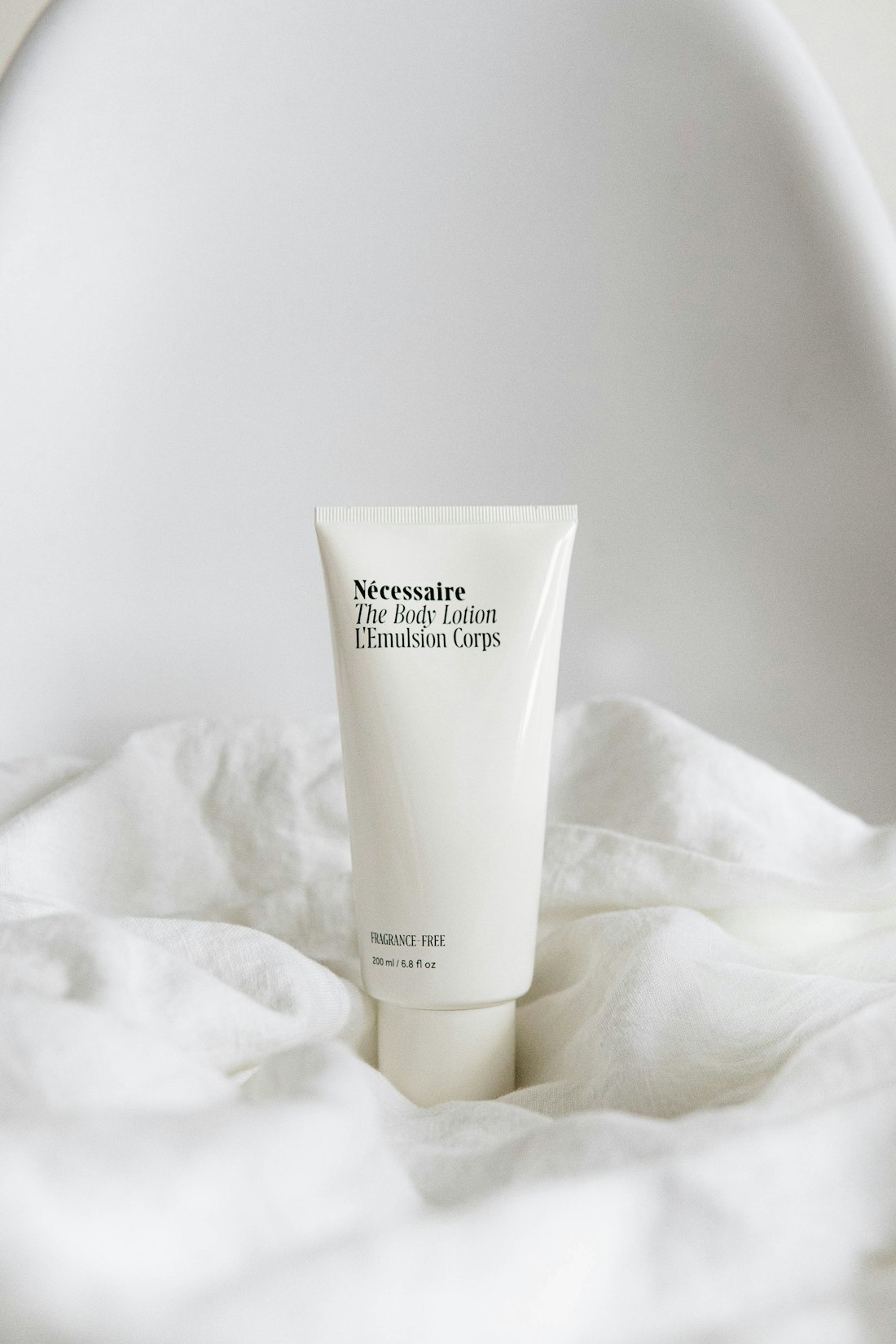
A gentle, consistent skincare routine is often the first line of defense against rosacea flare-ups.
A Chronic Condition, Not a Passing Rash
Rosacea is a chronic inflammatory skin condition, primarily affecting the face, that causes recurring redness, visible blood vessels, and sometimes acne-like bumps. It's not caused by poor hygiene, it's not contagious, and it's not the same thing as regular acne, even though the two are commonly confused, especially in its early stages. There's no cure, but the good news is that flare-ups and visible symptoms respond well to the right combination of treatment and trigger avoidance for most people who stick with a plan.
What Rosacea Symptoms Look Like
Persistent facial redness
Flushing across the cheeks, nose, chin, or forehead that lingers longer than an ordinary blush and tends to recur.
Visible blood vessels
Small, thread-like red lines (telangiectasias) becoming visible on the skin, especially around the nose and cheeks.
Acne-like bumps
Red, pus-filled bumps that resemble acne but appear without the blackheads typical of standard acne.
Eye irritation
Dryness, redness, grittiness, or swollen eyelids — a form called ocular rosacea that can occur alongside or even before facial symptoms.
In more advanced, less common cases, skin around the nose can thicken and become enlarged, a subtype called phymatous rosacea that appears more often in men. Symptoms typically build gradually and worsen over time if left unaddressed, which is part of why early recognition matters.
Sun exposure is one of the most consistently reported rosacea triggers, which makes daily sunscreen an easy first step.
Common Rosacea Triggers
Rosacea's precise cause isn't fully understood, but it's generally believed to result from a combination of genetic predisposition and environmental factors, possibly involving an overactive immune response and skin mites called Demodex that live on everyone's skin but may play an outsized role in rosacea-prone skin. What is well established is which everyday factors tend to trigger flare-ups once someone has the underlying tendency, and this list is worth tracking against your own flare-ups since triggers vary from person to person.
- Sun exposure and wind
- Hot beverages, spicy food, and alcohol (especially red wine)
- Extreme temperature changes, hot showers, and heavy exercise
- Emotional stress and certain skincare or cosmetic products
- Daily broad-spectrum sunscreen, even on cloudy days
- Gentle, fragrance-free cleansers and moisturizers
- Keeping a simple flare-up diary to spot personal patterns
- Cooling the skin gradually after exercise rather than abruptly
Rosacea's Subtypes, Explained
Dermatologists generally recognize four subtypes, and it's common for a person to have features of more than one at the same time. Erythematotelangiectatic rosacea is the flushing-and-visible-blood-vessel type, often the first to appear and sometimes mistaken for simply having sensitive, easily-blushing skin. Papulopustular rosacea adds the acne-like bumps and pustules on top of redness, which is the subtype most frequently confused with ordinary acne, especially in adults who never had significant acne as teenagers.
Ocular rosacea affects the eyes rather than the skin directly, causing dryness, redness, itching, or a gritty sensation, and can occur before, during, or independently of visible facial symptoms, which sometimes delays diagnosis since people don't connect eye irritation with a skin condition. Phymatous rosacea is the least common and most visually distinct subtype, involving thickened, enlarged skin, most classically around the nose, and develops more often in men after years of untreated or poorly controlled rosacea.
Rosacea vs. Acne: Telling Them Apart
The overlap between rosacea and acne causes real diagnostic confusion, partly because papulopustular rosacea does produce bumps that look acne-like at a glance. A few distinguishing features help separate the two. Acne commonly includes blackheads and whiteheads (comedones); rosacea typically doesn't. Acne can appear anywhere prone to oil production — face, chest, back — while rosacea is almost always confined to the central face: cheeks, nose, chin, and forehead. Rosacea also comes with persistent background redness and visible blood vessels even between breakouts, which isn't a typical feature of acne on its own.
The distinction matters practically because the two conditions are treated differently, and some standard acne treatments, particularly certain retinoids and harsh exfoliants, can actually aggravate rosacea rather than help it. This is one of the clearer cases where a proper dermatologist diagnosis changes the treatment plan meaningfully, rather than being a formality.
What Treatment Can Actually Do
Because rosacea has no cure, treatment goals center on reducing redness, controlling bumps, and limiting how often and how severely flare-ups occur, rather than making the underlying tendency disappear entirely. A dermatologist typically starts with a skin exam and a discussion of your symptom pattern, since rosacea's presentation and severity vary enough that a one-size-fits-all approach doesn't work well.
Topical treatments are usually the first line: metronidazole and azelaic acid both have real anti-inflammatory evidence behind them and are commonly prescribed to reduce redness and bumps, while brimonidine works differently, temporarily constricting blood vessels to reduce visible redness for a period of hours. For more persistent or severe cases, oral antibiotics (often at a lower, anti-inflammatory dose rather than a strictly antibacterial one) can help control papules and pustules. Laser and intense pulsed light (IPL) therapy target the visible blood vessels directly and can produce meaningful, longer-lasting improvement in redness for people who don't respond fully to topical treatment alone.
None of these treatments work in isolation from trigger management. Most dermatologists frame the two as complementary: medication controls the inflammatory side of the condition, while identifying and limiting personal triggers reduces how often that inflammation gets provoked in the first place. People who do both consistently tend to see the best long-term results.
When to See a Dermatologist
Because rosacea is often mistaken for other skin conditions in its early stages, it's worth seeing a dermatologist for a proper diagnosis rather than guessing based on symptoms alone, particularly since some effective treatments (like prescription-strength topicals) aren't available over the counter. It's also worth seeking care sooner rather than later if flare-ups are becoming more frequent or severe, if the redness is starting to affect your confidence or daily life, or if you notice eye symptoms like persistent dryness or grittiness, since ocular rosacea can sometimes affect vision if left unaddressed.
It's also reasonable to see a dermatologist simply to rule things out, even if your symptoms are mild. A number of other conditions, including lupus, seborrheic dermatitis, and certain allergic reactions, can produce facial redness that superficially resembles rosacea, and getting an accurate diagnosis early tends to save time and frustration compared to trying several over-the-counter products based on a guess.
Frequently Asked Questions
What does rosacea look like in its early stages?
Early rosacea usually looks like recurring flushing or redness across the cheeks, nose, chin, and forehead that comes and goes, often mistaken for sunburn, sensitive skin, or blushing that lasts unusually long. Small visible blood vessels can also start appearing before more noticeable bumps develop.
What triggers rosacea flare-ups?
Common triggers include sun exposure, hot weather, spicy food, alcohol (especially red wine), hot beverages, stress, heavy exercise, and extreme temperature changes. Triggers vary from person to person, so tracking flare-ups against recent activity is the most reliable way to identify personal ones.
Can rosacea be cured?
No, rosacea has no cure, but it can be effectively managed. Topical treatments, oral antibiotics, laser therapy, and trigger avoidance can significantly reduce flare-ups and redness for most people, even though the underlying tendency toward rosacea doesn't go away.
More Guides, Written Clearly
Browse our full library of AI and health explainers, updated as tools and guidance change.
More from the creator
Explore two other projects from the same creator.