GLP-1 Drugs and Constipation: Why It Happens
Nausea gets most of the attention when people talk about GLP-1 side effects, but constipation is arguably the more persistent, less dramatic problem that quietly affects a huge share of users. It's rarely dangerous, but it can be genuinely miserable, and understanding the actual mechanism makes it much easier to manage.
The Core Mechanism: Delayed Gastric Emptying
GLP-1 receptor agonists work partly by slowing gastric emptying, meaning food leaves your stomach and moves through your intestines more slowly than usual. This is a deliberate part of how the drugs create fullness and blunt blood sugar spikes. But that same slowdown doesn't stop at the stomach. It affects motility throughout the entire gastrointestinal tract, including the colon.
A panelist at a 2026 clinical symposium described the pathophysiology as multifactorial, but noted the most prominent effect is marked delayed gastric emptying, with inhibited antral contractility and increased pyloric tone all contributing. When transit time through the colon increases, the colon has more time to reabsorb water from stool, which is exactly what makes stool harder and more difficult to pass.
It's Actually a Stack of Several Mechanisms
Clinical researchers describe GLP-1 constipation as "more like a stack" than one single cause, and understanding each layer helps explain why the fix usually involves several changes at once rather than one silver bullet.
Slower Colonic Transit
Reduced intestinal contractions mean stool moves more slowly, giving the colon more time to absorb water and harden the stool.
Reduced Food and Fluid Intake
Appetite suppression means many people simply eat and drink less overall during the first months of treatment, which reduces stool bulk and available fluid.
Decreased Secretions
GLP-1 activation reduces gastric and interstitial fluid secretion, which can reduce stool water content independently of transit speed.
Comorbidities
Diabetes itself, which many GLP-1 users have, is independently associated with slower gut motility, compounding the drug's effect.
How Common Is It, Really
Trial data gives a fairly consistent picture across different drugs in the class. In the STEP 1 trial of semaglutide, 23.4% of participants reported constipation compared with 11.1% on placebo. Pooled across the STEP 1 through 3 trials, the rate was 24.2% versus 11.1%. Tirzepatide's SURMOUNT-1 trial reported a somewhat lower but still substantial range of 12% to 17%.
Constipation most often develops within the first four to eight weeks of treatment as the digestive system adjusts, and episodes are frequently tied to dose increases specifically, since a higher dose means a stronger effect on gut motility. Doctors have noted that delayed gastric emptying from GLP-1 drugs is subject to fairly rapid tachyphylaxis, meaning the body partially adapts over time, which is why symptoms in many people ease somewhat once a dose has been stable for a while.
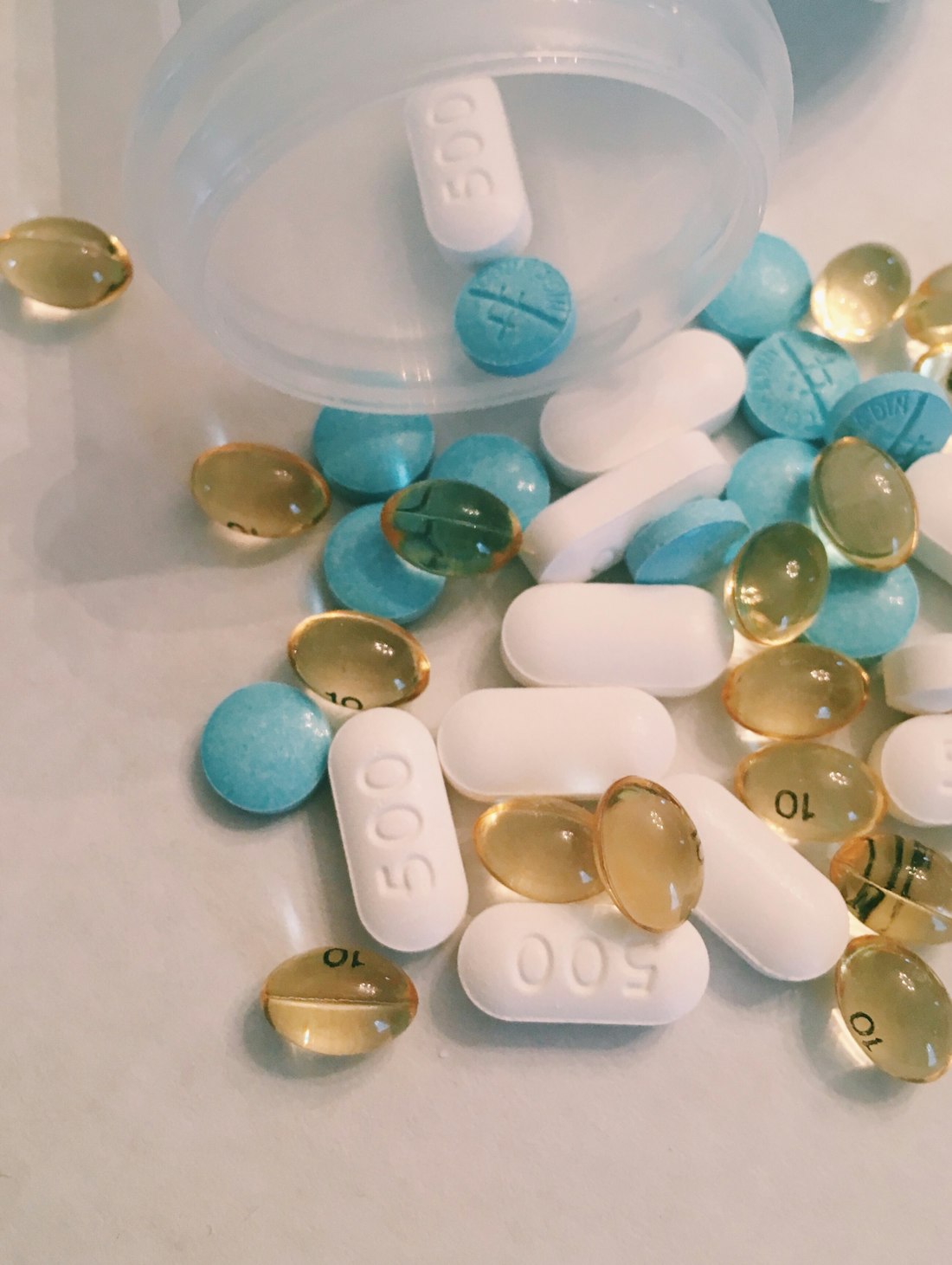
Adequate fluid and fiber intake are foundational to managing GLP-1-related constipation.
What the Evidence Actually Supports
A published four-step ladder approach, supported by gastroenterology society guidelines, gives a structured way to escalate treatment rather than guessing.
- Step one: lifestyle and fiber. Increase water intake, meaningfully increase fiber (aiming for somewhere around 25 to 35 grams daily from sources like oats, beans, and fruit), and add light physical activity such as a short walk after meals, which stimulates the gastrocolic reflex.
- Step two: over-the-counter options. Polyethylene glycol (brand name MiraLAX) is generally the best-supported first-line OTC option, with docusate sodium (Colace) as a milder secondary choice, and senna as an as-needed stimulant for more stubborn episodes.
- Step three: prescription secretagogues. If OTC options aren't enough, drugs like linaclotide, plecanatide, or lubiprostone work through a different mechanism and require a prescription.
- Step four: specialist referral. Persistent, severe constipation despite the above may warrant prucalopride or a referral to a gastroenterologist.
One detail worth knowing: iron supplements, which some people take alongside a GLP-1 drug if they're also managing hair loss-related nutritional gaps, are themselves a well-known constipating agent. If you're taking both, mention this combination to your prescriber.
When It's More Than Ordinary Constipation
Seek Medical Attention If You Notice
- Severe abdominal pain, bloating, or distension that doesn't improve
- No bowel movement for more than a week despite trying standard remedies
- Vomiting alongside constipation, which can suggest a more significant motility problem
- Blood in the stool, unexplained weight loss beyond what you'd expect from the medication, or fever
Severely delayed gastric emptying is also a documented safety consideration around surgery and anesthesia, since retained stomach contents can increase aspiration risk. If you have an upcoming surgery or procedure requiring sedation, tell the surgical team you're on a GLP-1 drug well in advance, since guidance on whether and how long to pause the medication beforehand is still evolving and should come from your care team.
Does Diet Alone Prevent It?
Not entirely for most people, though it clearly reduces severity. Because delayed gastric emptying is a direct pharmacological effect of the drug itself, no amount of dietary discipline will fully eliminate the underlying mechanism the way it might for constipation caused purely by low fiber intake in someone not on the medication. That said, the additive effect of reduced food and fluid intake from appetite suppression is genuinely modifiable, and deliberately eating enough fiber and drinking enough water even when you don't feel hungry or thirsty makes a measurable difference for most people.
A practical target many gastroenterologists suggest is roughly 25 to 35 grams of fiber daily and at least 64 ounces of water, introduced gradually rather than all at once, since a sudden large increase in fiber without adequate water can temporarily worsen bloating and discomfort before it helps.
Fiber Supplements: What Actually Has Evidence
Not all fiber is equal for this purpose. Soluble fiber, found in oats, beans, and psyllium husk supplements, tends to soften stool more effectively than insoluble fiber alone, which is more associated with bulking stool but can sometimes worsen bloating if fluid intake doesn't keep pace. Psyllium husk specifically has reasonably strong supporting evidence as a first-line fiber supplement for constipation generally, and it's inexpensive and widely available without a prescription.
Whichever fiber source you choose, introduce it gradually over one to two weeks rather than starting at a full dose immediately, and pair any increase with a corresponding increase in water intake. Fiber without adequate fluid can make constipation temporarily worse rather than better.
A Practical Weekly Checklist
- Track how many days since your last bowel movement, rather than relying on memory
- Aim for a consistent daily water intake, not just when you remember to drink
- Build in a short walk after at least one meal a day
- Keep an OTC option like polyethylene glycol on hand before you need it, rather than scrambling during a bad week
- Note any pattern between your injection day and symptom flares, and mention it to your prescriber
Does It Ever Fully Resolve?
For many people, yes, at least partially. Because the effect is dose-dependent and subject to some degree of tachyphylaxis, constipation often eases once a dose has been stable for a number of weeks, even if it flares again at the next dose increase. For others, especially at the highest maintenance doses, mild ongoing constipation becomes something they simply manage long-term with fiber, fluids, and an occasional OTC remedy, similar to how some people manage other chronic, non-dangerous digestive quirks.
If constipation is severe enough that it's affecting your quality of life or ability to eat comfortably, that's a reasonable reason to discuss a slower dose titration schedule with your prescriber, rather than assuming you have to tolerate whatever the standard schedule delivers.
Frequently Asked Questions
How common is constipation on GLP-1 drugs?
Roughly a quarter of people on semaglutide report constipation in clinical trials (24.2% pooled across STEP trials, vs 11.1% on placebo), with a somewhat lower but still substantial 12% to 17% reported for tirzepatide.
What is the best remedy for GLP-1 constipation?
Evidence supports a stepped approach: start with increased water and fiber intake plus light activity, then over-the-counter polyethylene glycol (MiraLAX) as the best-supported first-line option, escalating to prescription options if needed.
Why does Ozempic cause constipation?
GLP-1 drugs slow gastric emptying and reduce intestinal motility as part of how they work, which gives the colon more time to reabsorb water from stool, making it harder and slower to pass. Reduced food and fluid intake from appetite suppression compounds the effect.
Does GLP-1 constipation ever go away?
It often eases once a given dose has been stable for several weeks due to some degree of tachyphylaxis, though it can flare again with each dose increase, and some people manage mild ongoing constipation long-term at higher maintenance doses.
Key Takeaways
- GLP-1 drugs slow gastric emptying and colonic motility, giving the colon more time to absorb water from stool
- Constipation affects roughly a quarter of semaglutide users and 12% to 17% of tirzepatide users in trial data
- It's most common during the first 4 to 8 weeks and after dose increases
- A stepped approach, starting with fiber, fluids, and activity, then OTC polyethylene glycol, has the strongest evidence
- Severe abdominal pain, no bowel movement for over a week, or vomiting alongside constipation warrant prompt medical attention
More Health Guides, Written Clearly
Browse our full library of medically reviewed articles on diabetes, heart health, and weight management — all in plain, easy-to-understand language.
Explore All Health ArticlesSources and References
- Medscape — Managing Constipation in Patients on GLP-1s, 2026
- GLP-1 Answers — GLP-1 Constipation: Causes, Remedies, and When to Call Your Doctor, 2026
- American Gastroenterological Association / American College of Gastroenterology — Joint guideline on chronic constipation management
- PMC — Clinical Consequences of Delayed Gastric Emptying With GLP-1 Receptor Agonists and Tirzepatide