GLP-1 Drugs and Dehydration: What to Know
Dehydration is one of the quieter GLP-1 risks, partly because it usually results from a combination of smaller effects rather than one dramatic cause, and partly because reduced thirst sensation means people often don't notice it building until symptoms are already fairly advanced.
Why GLP-1 Drugs Raise Dehydration Risk
Dehydration on a GLP-1 drug rarely comes from one single obvious cause. It tends to result from several smaller effects stacking on top of each other: reduced appetite often comes with reduced overall fluid intake too, since people naturally drink less when eating less; nausea and vomiting, covered in GLP-1 drugs and nausea, directly remove fluid and electrolytes from the body; and diarrhea, while less common than constipation on these drugs, does occur in a meaningful minority of users and accelerates fluid loss further.
There's also a subtler contributing factor: some research and clinical observation suggests GLP-1 activation may blunt thirst sensation somewhat, similar to how it blunts hunger, meaning people may not feel as thirsty as their actual fluid balance would warrant, delaying the natural drinking response that would otherwise correct mild dehydration before it progresses.
When It Becomes Medically Serious
Mild dehydration is uncomfortable but generally self-correcting once recognized and addressed with fluids. The more serious concern that has prompted case reports and regulatory attention is acute kidney injury, a sudden decline in kidney function, which has been documented in a number of case reports specifically linked to severe, prolonged vomiting or diarrhea in GLP-1 users who didn't adequately replace lost fluids.
This remains an uncommon complication overall, but it's serious enough that regulatory bodies and prescribing information for these drugs specifically warn about the importance of maintaining adequate hydration, particularly during periods of significant gastrointestinal side effects or during dose increases when nausea and vomiting risk is highest.
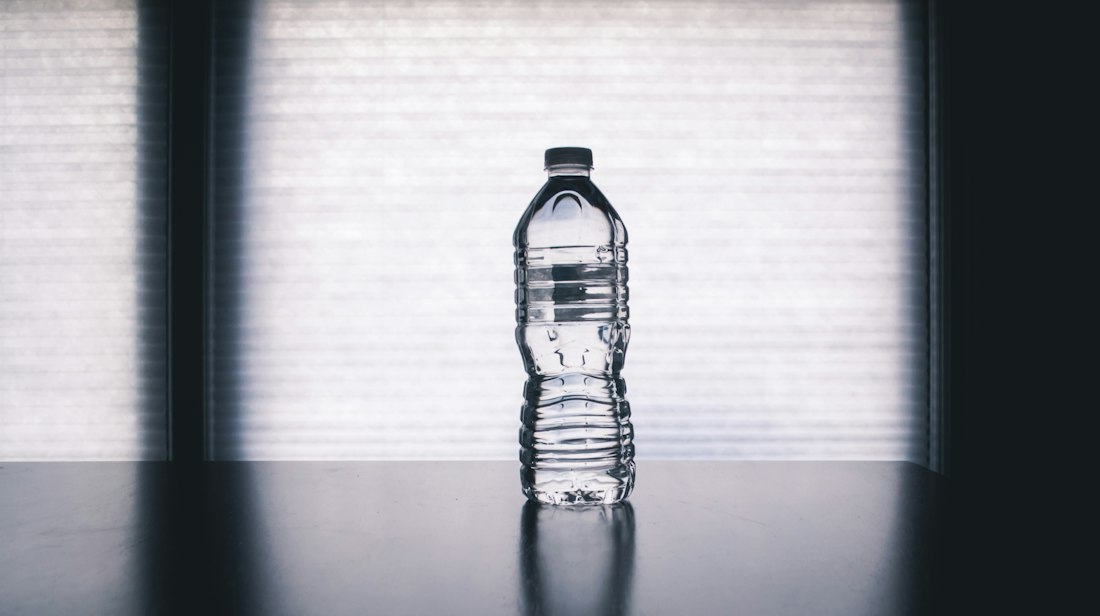
Deliberately maintaining fluid intake, rather than relying on thirst alone, is especially important on GLP-1 drugs.
Recognizing Dehydration Symptoms
Signs of Dehydration to Watch For
- Dark yellow urine or noticeably reduced urination frequency
- Dizziness or lightheadedness, especially when standing up quickly
- Dry mouth, dry skin, or unusual fatigue beyond what you'd expect from reduced food intake alone
- Headache, which can be an early, easy-to-miss sign
- Severe cases: confusion, rapid heartbeat, or very little to no urination, which warrant urgent medical care
Urine color is one of the simplest practical indicators most people can self-monitor without any special equipment. Pale yellow generally indicates adequate hydration, while consistently dark yellow or amber urine suggests you need to increase fluid intake.
Practical Hydration Strategies
- Drink on a schedule rather than relying purely on thirst, given the possibility of blunted thirst sensation on these medications. Keeping a water bottle visible as a visual reminder helps many people.
- Increase fluid intake proactively around dose increases, the period when nausea and vomiting risk is highest.
- Include electrolytes, not just plain water, if you're experiencing vomiting or diarrhea. Oral rehydration solutions or sports drinks with electrolytes replace what plain water alone doesn't.
- Set a daily water target and track it loosely, since many people underestimate how little they're actually drinking once appetite and thirst cues are both altered.
- Increase intake further during exercise or hot weather, on top of your baseline target, as covered in GLP-1 drugs and exercise.
When to Seek Medical Care
Mild dehydration that responds to increased fluid intake within a day generally doesn't require medical attention. But certain patterns warrant a prompt call to your prescriber or urgent care, rather than waiting to see if things improve on their own.
This includes vomiting that prevents you from keeping down any fluids for more than 24 hours, diarrhea lasting more than a couple of days, any of the severe symptoms listed above, or dehydration symptoms that don't improve despite deliberately increasing fluid intake. If you have any pre-existing kidney condition, the threshold for seeking care should be lower, since your baseline kidney reserve to tolerate a period of dehydration is reduced.
How This Connects to Constipation Management
There's an important, somewhat counterintuitive connection between hydration and the constipation many GLP-1 users experience. Adequate water intake is one of the foundational recommendations for managing GLP-1-related constipation, since the colon needs sufficient water available to keep stool soft even as transit time slows. This means that the same deliberate hydration habits that help prevent dehydration also directly support one of the other most common side effects of these drugs, making it a genuinely dual-purpose habit worth prioritizing rather than two separate concerns to manage independently.
Does Everyone Need to Worry About This?
It's worth keeping this risk in perspective. The substantial majority of people on GLP-1 drugs manage their hydration adequately with routine attention and never experience anything beyond mild, easily corrected dehydration. The serious complications discussed here, while medically real and worth knowing about, represent a minority of cases, generally involving a combination of significant, prolonged vomiting or diarrhea plus inadequate fluid replacement, rather than something that happens simply from taking the medication as directed with reasonable hydration habits.
Electrolytes vs Plain Water: Which Do You Actually Need?
For routine daily hydration without vomiting or diarrhea, plain water is generally sufficient and doesn't need to be supplemented with electrolyte products, despite how heavily electrolyte drinks and powders are currently marketed. Electrolyte replacement becomes specifically important when you're actively losing significant fluid through vomiting, diarrhea, heavy sweating, or all three at once, since these situations deplete sodium, potassium, and other electrolytes alongside water in a way that plain water alone doesn't fully replace.
Oral rehydration solutions, available over the counter and originally developed for treating diarrheal illness, are specifically formulated with an evidence-based ratio of electrolytes and sugar designed to maximize absorption, and are generally a better choice than sports drinks during an active bout of vomiting or diarrhea, since many sports drinks contain more sugar and less electrolyte concentration than is ideal for rehydration specifically.
Special Considerations for Older Adults
Older adults face compounded dehydration risk on GLP-1 drugs for several overlapping reasons: age-related decline in thirst sensation is already common independent of any medication, kidney function naturally declines somewhat with age reducing the body's reserve capacity to handle fluid imbalances, and many older adults are also taking diuretics or other blood pressure medications that independently affect fluid balance.
If you're an older adult starting a GLP-1 drug, or caring for one, extra attention to deliberate fluid intake, and a lower threshold for contacting a doctor about dehydration symptoms, is a reasonable precaution given this compounded risk profile.
A Note on Alcohol
Alcohol is itself dehydrating and can also worsen nausea and gastrointestinal side effects independently of the GLP-1 drug's own effects. Some people also report that alcohol tolerance feels different while on these medications, possibly related to the same slowed gastric emptying that affects food. If you drink alcohol while on a GLP-1 drug, being especially deliberate about replacing fluids afterward, and moderating intake generally, is a reasonable precaution worth discussing with your prescriber.
Frequently Asked Questions
Why do GLP-1 drugs increase dehydration risk?
Several factors combine: reduced overall fluid intake from appetite suppression, fluid loss from nausea, vomiting, or diarrhea, and possibly blunted thirst sensation that delays the natural drinking response to mild dehydration.
Can GLP-1 drugs cause kidney problems from dehydration?
Acute kidney injury has been documented in case reports, specifically linked to severe, prolonged vomiting or diarrhea without adequate fluid replacement. This is an uncommon but serious complication that prescribing information specifically warns about.
How much water should I drink on a GLP-1 drug?
A commonly cited general target is around 64 ounces (about 2 liters) daily, though individual needs vary by body size, activity level, and climate. Drinking on a schedule rather than relying on thirst alone is recommended given possible blunted thirst signals.
What are the warning signs of dehydration to watch for?
Dark yellow urine, reduced urination, dizziness, dry mouth, fatigue, and headache are earlier signs. Confusion, rapid heartbeat, or very little urination are severe signs requiring urgent medical care.
Key Takeaways
- Dehydration risk on GLP-1 drugs comes from multiple combined factors: reduced fluid intake, vomiting, diarrhea, and possibly blunted thirst sensation
- Acute kidney injury is an uncommon but serious documented complication linked to severe, unreplaced fluid loss
- Monitoring urine color is a simple, practical way to self-track hydration status
- Drinking on a schedule, rather than waiting for thirst, is recommended given the possibility of altered thirst signaling
- Vomiting lasting more than 24 hours, or severe dehydration symptoms, warrant prompt medical attention
More Health Guides, Written Clearly
Browse our full library of medically reviewed articles on diabetes, heart health, and weight management — all in plain, easy-to-understand language.
Explore All Health ArticlesSources and References
- FDA — Semaglutide and tirzepatide prescribing information, hydration and renal function warnings
- National Kidney Foundation — Acute kidney injury: causes and prevention
- Clinical case reports on GLP-1-associated acute kidney injury, published in nephrology literature