How Much Sleep Do Teenagers Actually Need?
Sleep medicine organizations recommend 8-10 hours a night for teens, but most aren't getting it. Here's why the teenage body clock makes that harder than it sounds, and what actually helps.
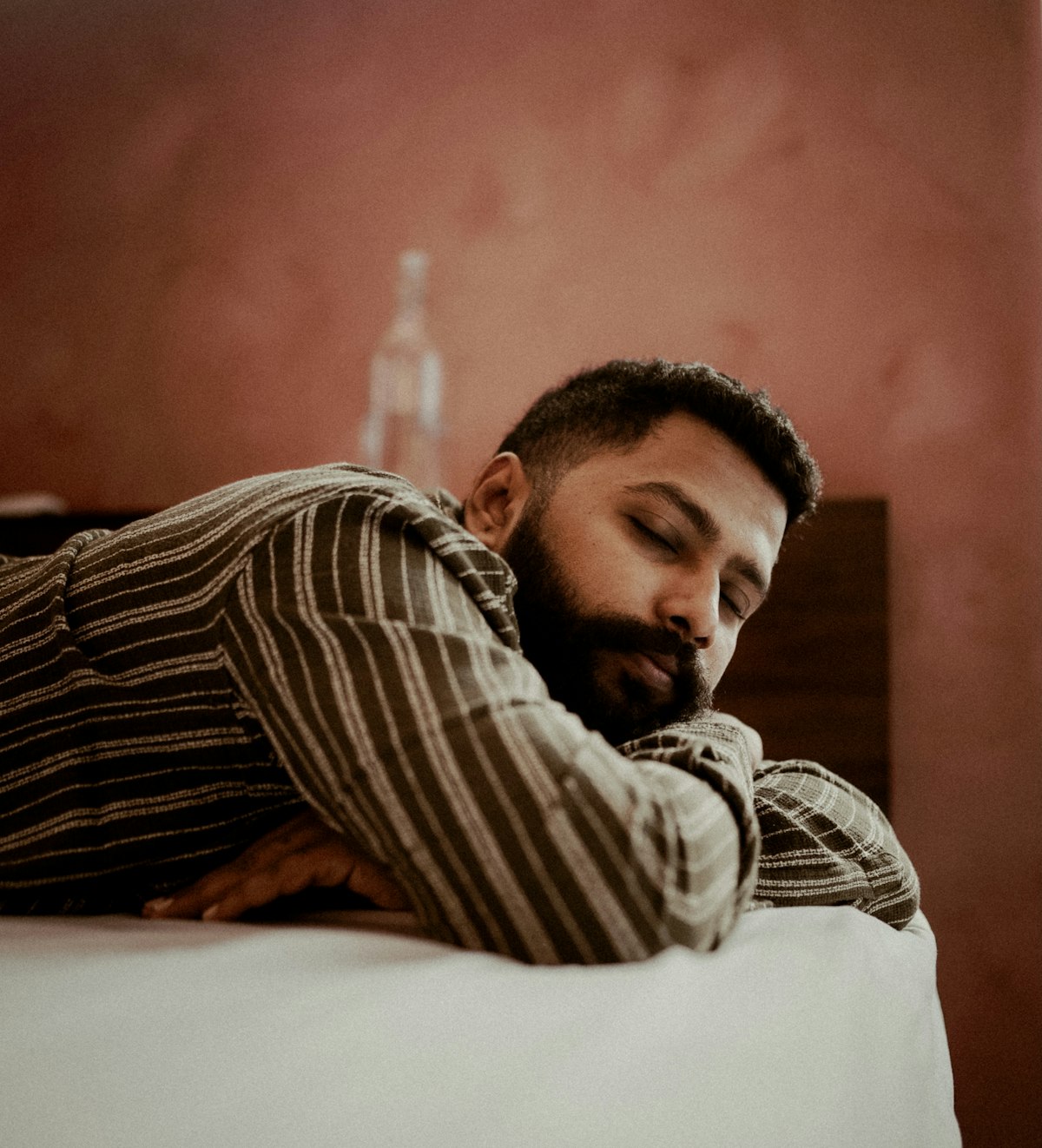
A teenager's internal clock genuinely shifts later during puberty — it isn't just a preference.
8 to 10 Hours, According to Every Major Sleep Body
The American Academy of Sleep Medicine recommends teenagers ages 13 to 18 get 8 to 10 hours of sleep per 24 hours on a regular basis, a recommendation endorsed by the American Academy of Pediatrics. This isn't a rounded-up "more is always better" figure — it's tied to specific outcomes. Regularly sleeping fewer hours than recommended is associated with attention, behavior, and learning problems, and with a higher risk of accidents, injuries, obesity, and depression. It's a meaningfully wider range than what's recommended for adults (7+ hours), reflecting how much biological work happens during adolescent sleep — including growth hormone release, memory consolidation, and emotional regulation, all of which are especially active during adolescent development.
Puberty Shifts the Internal Clock Later — This Isn't a Choice
One of the most under-appreciated facts about teen sleep is that it's not primarily a discipline problem. During puberty, the body's circadian rhythm — the internal clock that regulates when melatonin is released and when a person naturally feels sleepy — shifts later, often by an hour or two. A teenager who "isn't tired" at 10pm frequently isn't being difficult; their body genuinely isn't producing sleep-inducing melatonin yet at that hour, in a way it would have a few years earlier. This shift, combined with early school start times, creates a structural mismatch: teens are biologically wired to fall asleep later and would ideally wake up later too, but most schools require an early wake time regardless. Researchers sometimes describe this as a form of enforced, chronic jet lag — the body's clock and the external schedule pulling in opposite directions, day after day, for years at a stretch.
Delayed Melatonin
The body doesn't start releasing sleep-inducing melatonin until later in the evening during adolescence than it did in childhood.
Early School Starts
Many U.S. middle and high schools start before 8am, cutting directly into the hours a teen's body wants to be asleep.
Screen Use at Night
Evening screen time compounds the delay, both from the stimulating content and from light exposure suppressing melatonin further.
Most Teens Aren't Getting Enough
CDC survey data shows a meaningful share of U.S. teens regularly get less sleep than the recommended 8-10 hours, with the shortfall showing up across income levels and regions. This isn't a minor gap — insufficient sleep in teenagers is specifically associated with increased risk of self-harm, suicidal thoughts, and suicide attempts, alongside the more commonly cited effects on mood, grades, and driving safety. This is part of why sleep-medicine organizations treat teen sleep duration as a genuine public health issue rather than a matter of personal habits alone.
Consistency Matters More Than One Good Night
A single early bedtime doesn't fix a sleep-debt problem built up over weeks, and a single late Saturday morning doesn't erase it either — in fact, sleeping dramatically later on weekends can push the internal clock even further out of sync, making Monday morning harder rather than easier. What actually moves the needle is consistency: a bedtime and wake time that don't swing wildly across the week, reduced screen use in the hour or so before bed, and a wind-down routine that signals to the body it's time to shift toward sleep rather than staying stimulated right up until lights-out. None of this makes an early school start time less of a structural problem, but within that constraint, consistency is the lever that actually helps.
Do Naps Make Up for Lost Sleep?
A short nap — 20 to 30 minutes, earlier in the afternoon rather than late in the day — can genuinely help with alertness and mood on a specific short-sleep day, and isn't something to avoid. What naps don't do is fully substitute for a consistent short-sleep pattern night after night; the accumulated sleep debt from a habitually short school-night schedule doesn't fully resolve with daytime napping the way it can with actually extending nighttime sleep. Naps that run long or happen late in the afternoon can also make it harder to fall asleep at a reasonable bedtime that night, which risks making the underlying pattern worse rather than better. Used occasionally and kept short, naps are a reasonable tool — just not a fix for a chronically short sleep schedule.
What Actually Helps From a Parent's Perspective
Since school start times are usually outside a family's control, the more useful levers tend to be at home: keeping a consistent wind-down routine even on nights that feel busy, setting a realistic screen curfew rather than an unrealistic one that gets ignored, and treating a teen's late natural bedtime as a biological reality to work with rather than purely a behavior to correct. Some school districts have shifted start times later in response to this research, and where that's happened, studies have generally found improvements in attendance, mood, and even car accident rates among teen drivers — evidence that the mismatch described above is a real, measurable effect, not just theory.
When a Sleep Problem Might Be Something More
Occasional short nights aren't a medical concern on their own. It's worth talking to a doctor if a teen consistently can't fall asleep despite an early enough bedtime, wakes up frequently through the night, snores loudly or seems to stop breathing during sleep, or shows signs of excessive daytime sleepiness even after what should be adequate hours in bed — these can point to a sleep disorder like delayed sleep phase syndrome or sleep apnea rather than simply a scheduling issue. Both conditions are genuinely treatable once identified, but neither tends to resolve on its own the way ordinary teenage sleep resistance does with better habits, which is exactly why it's worth distinguishing between the two rather than assuming every sleep complaint is just a scheduling problem.
Bottom Line
8 to 10 hours is the target, and the gap between that and what most teens actually get isn't primarily about willpower — it's a mismatch between a shifted biological clock and early school schedules. Consistency in bedtime and wake time, and cutting evening screen use, are the most realistic levers within that constraint — and they matter more than any single "perfect" night of sleep.
More AI Guides, Written Clearly
Browse our full library of AI tool guides, updated regularly as models and features change.
Common Questions
How many hours of sleep does a 15-year-old need?
The American Academy of Sleep Medicine recommends 8 to 10 hours per night for all teenagers ages 13 to 18, including 15-year-olds — endorsed by the American Academy of Pediatrics.
Why do teenagers want to stay up late and sleep in?
Puberty shifts the body's internal clock later, delaying when melatonin is released in the evening. This is a biological change, not simply a preference or a discipline issue.
Is it bad for teens to sleep in a lot on weekends?
Sleeping dramatically later on weekends can push the internal clock further out of sync, making it harder to fall asleep and wake up on schedule during the school week. A more modest, consistent wake time works better.
What are signs a teen's sleep problem needs medical attention?
Consistent trouble falling or staying asleep despite an adequate bedtime, loud snoring or breathing pauses during sleep, or persistent daytime sleepiness despite enough time in bed are worth discussing with a doctor.
Do short naps help make up for lost sleep?
A short 20-30 minute nap earlier in the day can help with alertness on a specific short-sleep day, but it doesn't fully substitute for a consistently short nighttime sleep schedule and can backfire if it's too long or too late in the day.
More from the creator
Explore two other projects from the same creator.