Sleep Apnea: The Snoring Is Only the Part You Can Hear
Loud snoring is the symptom everyone jokes about — the gasping, the choking, the exhaustion the next day even after eight full hours is the part that actually matters. Sleep apnea is common, underdiagnosed, and treatable with more than just a CPAP machine. Here's how to recognize it, what a sleep study involves, and the full range of treatment options in 2026.
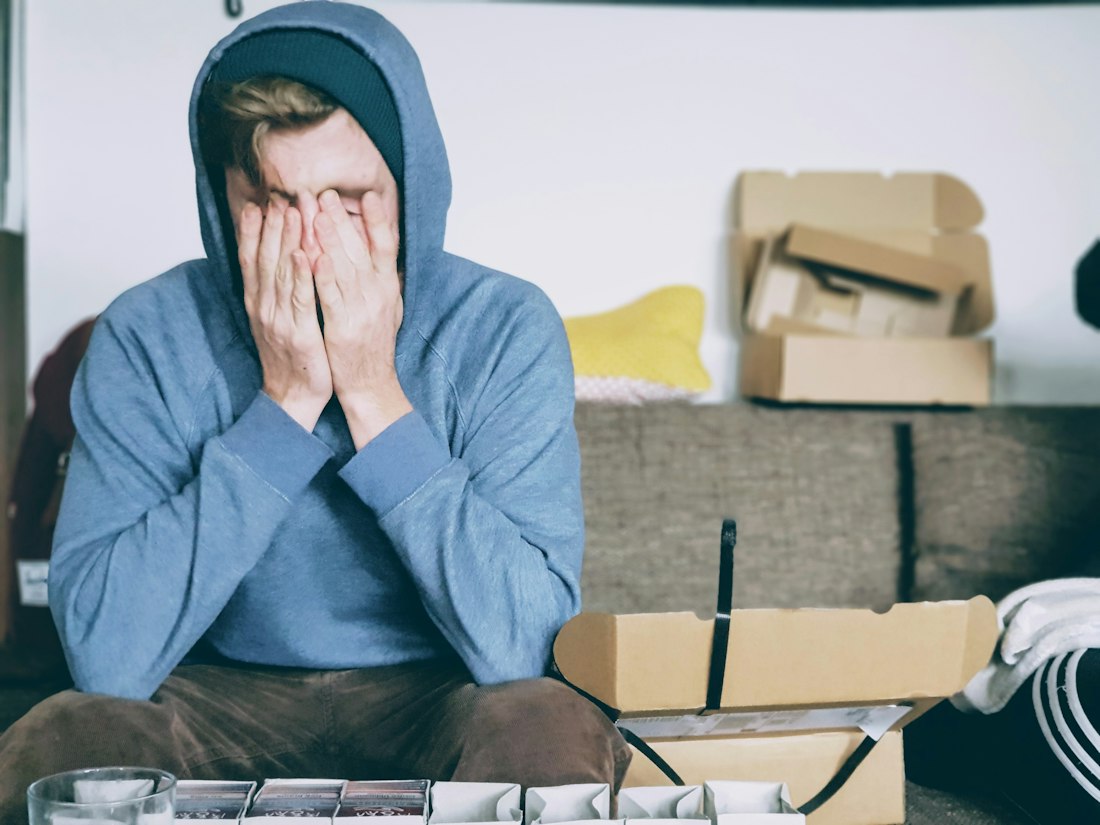
Sleep apnea interrupts breathing dozens of times a night, often without the person ever fully waking up enough to remember it.
What's Happening While You Sleep
Sleep apnea is a condition where breathing repeatedly stops and starts during sleep. The most common form, obstructive sleep apnea (OSA), happens when throat muscles relax enough that surrounding tissue partially or fully blocks the airway. A rarer form, central sleep apnea, happens when the brain temporarily stops signaling the muscles that control breathing.
Each pause triggers a mini survival reflex — a partial awakening, often without full conscious memory of it — just enough to resume breathing. That's what keeps you alive overnight, but it also fragments sleep so thoroughly that even eight hours in bed can leave you exhausted the next day.
Signs to Watch For

Morning headaches and daytime sleepiness that don't improve with more sleep are common signs that the sleep itself isn't restorative.
- Loud, chronic snoring
- Gasping or choking episodes during sleep
- Pauses in breathing noticed by a partner
- Frequent waking or restless sleep
- Waking up with a dry mouth or sore throat
- Excessive daytime sleepiness
- Morning headaches
- Difficulty concentrating or memory issues
- Irritability or mood changes
- Falling asleep during quiet activities
Obstructive vs. Central: Not the Same Condition
Most discussions of sleep apnea default to the obstructive type, but it's worth knowing there's a meaningfully different second category, since the treatment approach can differ. Obstructive sleep apnea (OSA), the far more common form, happens when throat muscles relax enough during sleep to physically block the airway — the tissue is still trying to breathe, but the passage is obstructed. Central sleep apnea (CSA) is a different mechanism entirely: the brain temporarily fails to send the signal to breathe at all, so there's no physical obstruction, just a pause in the breathing effort itself. CSA is less common and is more often linked to conditions like heart failure, stroke, or certain medications rather than to airway anatomy or weight.
The distinction matters clinically because a standard CPAP machine, which works by keeping the airway open with continuous air pressure, treats the obstruction in OSA directly but doesn't address the underlying signaling problem in CSA. Some patients have a mix of both types, and a sleep study is specifically designed to distinguish between them, since a treatment plan built for the wrong type of apnea can leave symptoms only partially addressed even with consistent nightly use.
Risk Factors Worth Knowing
Excess weight and larger neck circumference are the strongest risk factors for obstructive sleep apnea, since more soft tissue around the airway makes it easier to collapse during sleep. Risk also climbs with age, and men are diagnosed more often than women, though the gap narrows after menopause. Alcohol, sedatives, sleeping on your back, nasal congestion, and a family history of sleep apnea can all raise your risk further.
What a Sleep Study Actually Involves
Sleep apnea is diagnosed with a sleep study, either an overnight polysomnography in a sleep lab, which tracks brain waves, oxygen levels, heart rate, and breathing, or increasingly a home sleep apnea test, which uses simpler take-home sensors and can diagnose more straightforward cases without an overnight lab stay. Your results come back as an AHI score (apnea-hypopnea index) — roughly how many breathing interruptions happen per hour — which determines whether your case is mild, moderate, or severe.
Why Doctors Push to Get This Treated, Not Just Managed
Sleep apnea left untreated is linked to more than daytime grogginess, and understanding the mechanism helps explain why doctors treat a diagnosis as something to act on rather than simply live with. Each breathing interruption drops blood oxygen and triggers a brief stress response that raises blood pressure and heart rate, over and over, dozens or even hundreds of times a night in moderate to severe cases. Repeated nightly over months and years, that stress-response cycle is associated with meaningfully higher rates of hypertension, atrial fibrillation, stroke, and type 2 diabetes, independent of the weight-related risk factors that often accompany sleep apnea in the first place.
There's also a less-discussed daytime safety risk: severe untreated sleep apnea is associated with a measurably higher rate of drowsy-driving accidents, since the fragmented, oxygen-deprived sleep it causes doesn't feel fully restorative even after eight hours in bed. This is part of why some commercial driving and safety-sensitive occupations now screen for sleep apnea symptoms directly, and it's a genuinely practical reason — beyond the longer-term cardiovascular risk — to treat a formal diagnosis as something worth following through on rather than deprioritizing.
Treatment Options, Ranked by How Often They're Used
CPAP (Continuous Positive Airway Pressure)
The gold-standard treatment for moderate to severe OSA. A machine delivers steady air pressure through a mask to keep the airway open overnight. Highly effective, but consistent nightly use is the biggest challenge for many people.
Oral Appliances
Custom-fitted mouthguards, made by a dentist, that reposition the jaw or tongue to keep the airway open. A common alternative for mild-to-moderate cases or for people who can't tolerate CPAP.
Positional Therapy & Weight Management
For people whose apnea is significantly worse on their back, devices that discourage back-sleeping can help. Meaningful weight loss can also substantially reduce mild-to-moderate OSA severity.
Surgery & Nerve Stimulation
For select cases, options include surgery to remove excess airway tissue or an implanted hypoglossal nerve stimulator that keeps the tongue from collapsing into the airway during sleep. Usually considered after other treatments haven't worked.
Frequently Asked Questions
What are the warning signs of sleep apnea?
The classic signs are loud, chronic snoring, episodes of gasping or choking during sleep (often noticed by a partner), and waking up feeling unrefreshed despite a full night in bed. Morning headaches, daytime sleepiness, and trouble concentrating are also common.
Is CPAP the only treatment for sleep apnea?
No. CPAP is the most common and effective first-line treatment, but oral appliances, positional therapy, weight management, and in some cases surgery or an implanted nerve stimulator are all legitimate alternatives, especially for people who can't tolerate a CPAP mask.
Can sleep apnea go away on its own?
It's uncommon for sleep apnea to resolve without any intervention, though losing significant weight, changing sleep position, or addressing nasal congestion can meaningfully reduce mild cases. Moderate to severe sleep apnea typically needs ongoing treatment rather than lifestyle changes alone.
More Health Guides, Written Clearly
Browse our full library of health and wellness explainers, updated as research and devices change.
More from the creator
Explore two other projects from the same creator.