Oral GLP-1 Weight-Loss Drugs Explained
For a lot of people, the biggest barrier to a GLP-1 drug isn't the side effects or the cost, it's a genuine aversion to weekly injections. 2026 has been the year that barrier started to come down, with real oral options now available or nearly so, though they come with their own trade-offs worth understanding.
Why Oral GLP-1 Drugs Took So Long to Develop
Semaglutide and tirzepatide are peptides, meaning they're built from chains of amino acids similar to proteins. Peptides taken by mouth face a fundamental problem: the stomach is specifically designed to break down proteins and peptides from food using acid and digestive enzymes, which means a peptide drug swallowed as a normal pill would typically be destroyed before it could be absorbed into the bloodstream in any meaningful amount. This is the core reason GLP-1 drugs launched as injectables, bypassing the digestive system entirely.
Solving this required real pharmaceutical innovation, either finding a way to protect the peptide as it passes through the stomach, or, in a more fundamentally different approach, designing an entirely new type of molecule that isn't a peptide at all but still activates the same GLP-1 receptor.
Oral Semaglutide: Protecting the Peptide
Oral semaglutide, sold as Rybelsus for diabetes since 2019 and as an oral Wegovy tablet for weight management approved in December 2025, solves the absorption problem using an absorption enhancer technology that temporarily raises stomach pH and creates a small protected environment allowing a fraction of the semaglutide to be absorbed before being broken down. This requires taking the pill on a completely empty stomach with a small amount of water, then waiting at least 30 minutes before eating, drinking anything else, or taking other oral medications, since food or other substances in the stomach interfere with the absorption mechanism.
This strict dosing requirement is the main practical trade-off of oral semaglutide compared with the injectable version. Missing the timing window, even by eating too soon after the pill, can significantly reduce how much drug is actually absorbed, making consistent, correct timing considerably more important than it is for a once-weekly injection.
Orforglipron: A Fundamentally Different Molecule
Orforglipron, approved by the FDA in April 2026, takes a different approach entirely. Rather than being a peptide requiring absorption enhancement technology, it's a small-molecule drug, chemically more similar to common everyday pills like ibuprofen or a standard blood pressure medication, engineered to activate the GLP-1 receptor without needing to survive as an intact peptide chain through the stomach.
This is a meaningful pharmaceutical advance because small molecules are generally easier and cheaper to manufacture at scale than peptides, and orforglipron doesn't require the strict empty-stomach timing rules that oral semaglutide does, making it considerably more convenient to take as part of a normal daily routine.
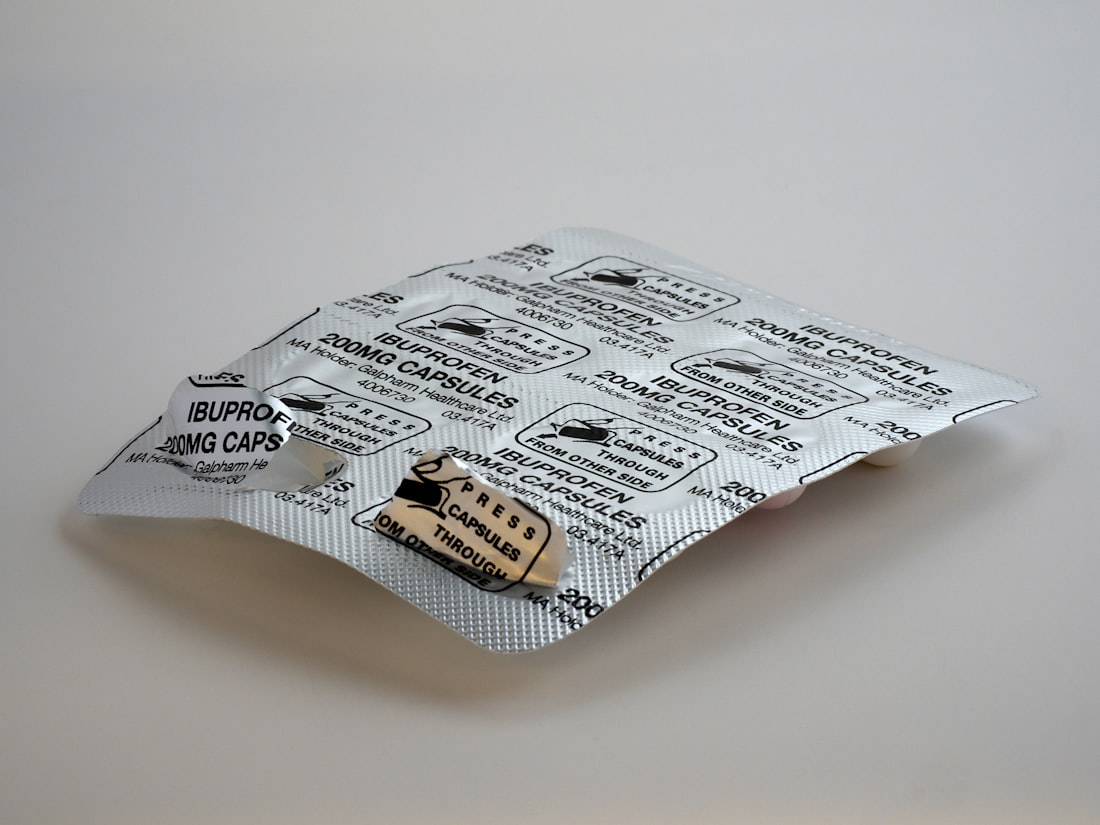
Oral GLP-1 drugs like orforglipron represent a significant pharmaceutical advance over earlier peptide-based oral formulations.
How Well Does Orforglipron Actually Work
Orforglipron's Phase 3 trial program, known as ATTAIN, reported average weight loss of roughly 12% to 13% of body weight at the highest tested dose over approximately a year of treatment. This is a meaningful result, though it falls somewhat short of the roughly 15% average seen with injectable semaglutide (Wegovy) and considerably short of the roughly 21% average seen with injectable tirzepatide (Zepbound) in their respective trials.
This gap is broadly consistent with what researchers generally expect: oral formulations of drugs in many classes often show somewhat lower average effectiveness than injectable versions of comparable drugs, partly due to less complete and consistent absorption even with the pharmaceutical advances involved, though orforglipron's results still represent one of the most effective oral weight-loss medications ever studied.
Side Effects: Similar Profile, Some Differences
Both oral GLP-1 options show a broadly similar gastrointestinal side-effect profile to the injectable versions, nausea, diarrhea, constipation, and vomiting remain the most commonly reported issues, following the same underlying mechanisms covered in GLP-1 drugs and nausea and GLP-1 drugs and constipation.
One notable difference worth flagging: orforglipron's FDA labeling specifically lists hair loss among its more commonly reported adverse effects, consistent with the broader pattern covered in GLP-1 drugs and hair loss, where the magnitude of weight loss achieved, rather than the specific drug or delivery method, appears to be the main driver of this particular side effect.
Should You Choose Oral Over Injectable
This is a genuinely personal decision that depends heavily on individual preferences and priorities. Reasons someone might prefer an oral option include needle aversion, difficulty with self-injection due to dexterity issues or visual impairment, travel convenience, since pills don't require refrigeration or the disposal considerations that come with injector pens, and simple personal preference.
Reasons someone might still prefer the injectable version include the somewhat greater average effectiveness of injectable options, the strict empty-stomach timing requirement for oral semaglutide specifically, and, for orforglipron, the fact that it's newer to market with a shorter real-world track record compared with drugs that have been used by millions of people for several years.
Practical Tips for Taking Oral Semaglutide Correctly
- Take it first thing in the morning, before any food, drink other than a small sip of plain water, or other oral medications, since this is generally the easiest time to guarantee a genuinely empty stomach.
- Use no more than about half a cup (4 ounces) of plain water to swallow the pill, since larger amounts of liquid can dilute the local stomach environment the absorption technology depends on.
- Wait the full 30 minutes before eating, drinking anything else, or taking other pills, setting a timer if needed rather than estimating.
- Take it at a consistent time daily to build a routine that reduces the chance of forgetting the timing rules under normal daily distractions.
- If you accidentally eat or drink too soon after taking it, don't take a second dose; simply continue with your normal schedule the next day and mention the missed dose pattern to your prescriber if it happens repeatedly.
Rybelsus vs Oral Wegovy: Not the Same Product
It's worth clarifying a distinction that causes some confusion: Rybelsus, the original oral semaglutide product approved in 2019, is FDA-approved specifically for type 2 diabetes at lower doses than the newer oral Wegovy tablet, which was approved separately in December 2025 specifically for weight management at higher doses. Both use the same underlying absorption enhancer technology and share the same strict empty-stomach dosing requirement, but they are distinct products with different approved uses and dosing, similar to the injectable Ozempic-versus-Wegovy relationship covered in Ozempic vs Wegovy.
Cost and Access Considerations
As newer entrants to the market, pricing and insurance coverage for oral Wegovy and orforglipron are still evolving through 2026, and coverage decisions vary significantly by insurer and plan. It's worth confirming current coverage and cost directly with your insurer and pharmacy rather than assuming pricing parity with the established injectable options, since coverage patterns for genuinely new drug formulations often take time to stabilize and can differ meaningfully from more established alternatives in the same drug class.
Frequently Asked Questions
Is there a pill version of Ozempic or Wegovy?
Yes. Oral semaglutide is available as Rybelsus for diabetes, and an oral Wegovy tablet for weight management was FDA-approved in December 2025. Both require taking the pill on an empty stomach and waiting at least 30 minutes before eating or drinking.
What is orforglipron?
Orforglipron is the first oral small-molecule GLP-1 drug, FDA-approved in April 2026. Unlike oral semaglutide, it's not a peptide requiring special absorption technology, so it doesn't require the same strict empty-stomach timing rules.
Are oral GLP-1 drugs as effective as the injections?
Generally somewhat less so on average. Orforglipron's trials showed roughly 12% to 13% average weight loss, compared with roughly 15% for injectable semaglutide and roughly 21% for injectable tirzepatide, though individual results vary.
Do oral GLP-1 drugs have the same side effects as injections?
Largely yes, with nausea, diarrhea, and constipation being the most common issues in both forms, following similar underlying mechanisms. Orforglipron's labeling specifically notes hair loss among its more commonly reported effects.
Key Takeaways
- Oral Wegovy (semaglutide) was FDA-approved in December 2025; orforglipron, a new small-molecule GLP-1, was approved in April 2026
- Oral semaglutide requires strict empty-stomach timing; orforglipron does not, since it uses a fundamentally different molecular approach
- Both show somewhat lower average weight loss than their injectable counterparts, around 12% to 13% for orforglipron versus 15% to 21% for injectables
- Side effect profiles are broadly similar to injectable versions, dominated by gastrointestinal symptoms
- Choosing oral versus injectable is a personal decision involving trade-offs between convenience and average effectiveness
More Health Guides, Written Clearly
Browse our full library of medically reviewed articles on diabetes, heart health, and weight management — all in plain, easy-to-understand language.
Explore All Health ArticlesSources and References
- FDA — Oral semaglutide (Wegovy tablet) approval, December 2025
- FDA — Orforglipron approval, April 2026
- Wharton et al. — Once-daily oral orforglipron for the treatment of obesity (ATTAIN-1), New England Journal of Medicine, 2026