Ultra-Processed Food Warning Labels: What's Actually Coming
HHS Secretary Robert F. Kennedy Jr. told Joe Rogan in early 2026 that a federal definition of ultra-processed food was coming by April, with front-of-pack warning labels to follow. April came and went without a final rule, but that hasn't slowed the underlying push — the FDA, Congress, and a growing list of states are all moving on food labeling at once, from different directions and at different speeds. Here's what's actually confirmed, what's still just proposed, and what a real warning label might eventually look like on your groceries.
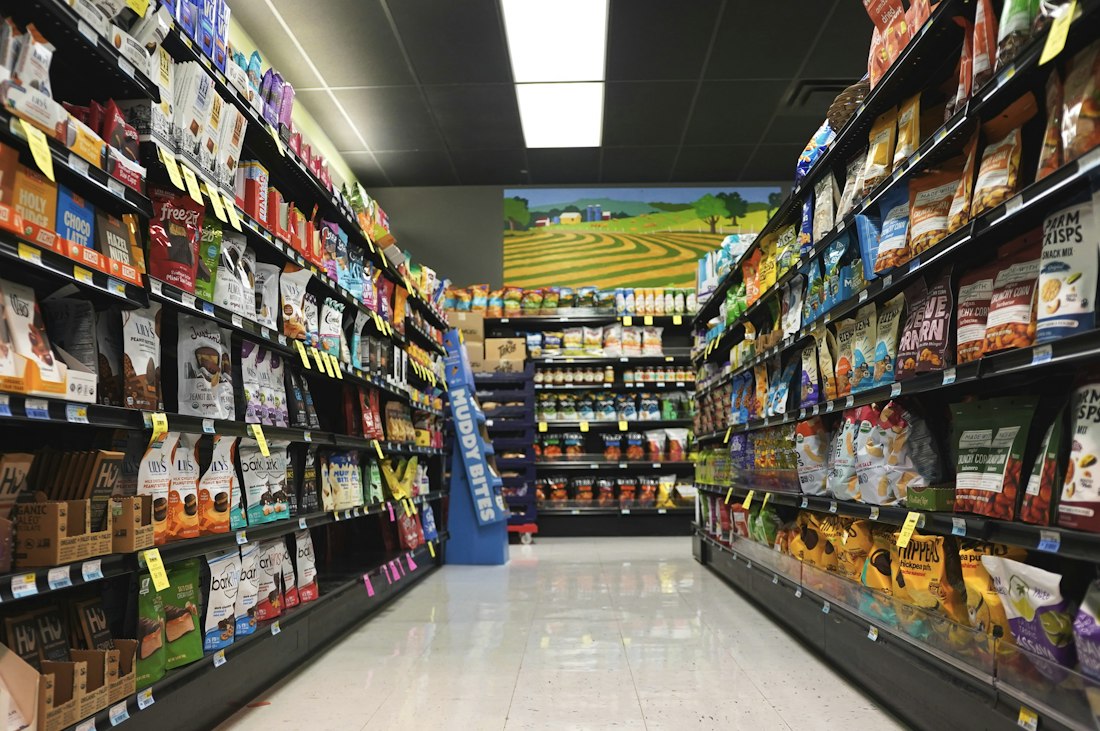
More than half of the calories in a typical American diet now come from ultra-processed foods, according to a 2026 policy report — which is exactly why the labeling fight has become so high-stakes.
The Deadline Passed — Here's What Happened Instead
In a March 2026 interview, Kennedy told Joe Rogan that the FDA would have a federal definition of ultra-processed food "for the first time in history" by April, and that front-of-pack labeling — possibly a red-yellow-green traffic-light system — would follow immediately after. That specific deadline slipped. By August, HHS had instead announced a related but separate proposal: reforms to the GRAS (Generally Recognized As Safe) process that lets companies self-certify new food additives, alongside continued work with USDA on the UPF definition itself.
The delay hasn't killed the broader effort, though. It's actually being pursued on three fronts simultaneously: the FDA's own definition-and-labeling track, a Senate bill from Bernie Sanders that would mandate warning labels regardless of what FDA decides, and state-level laws that don't wait on Washington at all. California and Arizona have already passed laws defining and restricting ultra-processed foods, largely focused on school meals, and Texas has a proposed rule requiring a warning label on products containing any of 44 specified ingredients not approved for human consumption in Australia, Canada, the EU, or the UK.
A Senate Bill Wants Warning Labels With or Without the FDA
A Senate committee advanced a bill in July 2026 that would put "high in sugar," "high in sodium," or similar plain-language warnings directly on packaging like this.
In July 2026, the Senate Health, Education, Labor and Pensions Committee advanced a bill from Senator Bernie Sanders that passed 12-10 with some bipartisan support. It would require plain-language warning labels — "high in added sugar," for instance, or specific language for products containing non-nutritive sweeteners — on the front of any package meeting defined thresholds for sugar, saturated fat, or sodium, and would separately require warnings on ultra-processed foods generally. The bill draws explicitly on Chile's model, which has the longest track record of any country that's tried this.
A related, narrower bill — the bipartisan Childhood Diabetes Reduction Act, introduced by Representatives Don Beyer, Scott Peters, and Mike Lawler — focuses specifically on marketing restrictions and packaging requirements aimed at children, rather than a general adult-facing label.
What Happened in Countries That Already Did This
The US isn't inventing this approach from scratch — more than a dozen countries have adopted some form of mandatory front-of-pack warning label, and the results give a reasonable preview of what to expect. Chile's labels, introduced in stages starting in 2016, are the most studied: purchases of products high in sugar dropped 37% within three years, according to research published in PLoS Medicine. Peru saw a similar effect from the manufacturer side — the share of products requiring a warning label fell from 82% to 62% within two years, as companies reformulated products specifically to avoid carrying the label.
Chile
Black octagon warnings for excess sugar, salt, saturated fat, or calories; purchases of flagged products dropped meaningfully within years.
Peru
Similar octagon system; the share of products needing a warning fell fast as manufacturers reformulated to dodge it.
Mexico
Adopted a comparable warning system in 2020, also restricting marketing of flagged products to children.
Proposed US Model
Kennedy has floated a red-yellow-green "traffic light" system rather than Chile's black-octagon design — a different visual approach with less direct precedent.
Should You Expect Labels on Your Groceries Soon?
Not this year — but the direction is fairly clear.
No federal warning label requirement exists yet, and the FDA has already missed one self-imposed deadline. But the pressure is coming from enough directions at once — the FDA's own process, a Senate bill with some bipartisan support, and multiple state laws already on the books — that some form of mandatory labeling in the next few years looks more likely than not. What it will actually look like, and how strict it will be, is still genuinely unsettled.
Frequently Asked Questions
Is the US getting warning labels on ultra-processed food?
Not yet, and not on a confirmed timeline. HHS Secretary RFK Jr. said in early 2026 that a federal definition of ultra-processed food was coming by April, but that deadline passed without a final rule. The FDA is still working with USDA on a definition, and a separate front-of-pack labeling proposal is under active discussion, with Kennedy floating a red-yellow-green traffic-light model.
What counts as an ultra-processed food?
There's no single legal US definition yet. Researchers generally use the NOVA classification system, which flags industrially manufactured products made mostly from refined ingredients and additives rather than whole foods — think packaged snacks, sodas, and reconstituted meat products, as opposed to a home-cooked meal made from raw ingredients.
Do warning labels on food actually change what people buy?
The evidence from countries that already use them is fairly consistent. In Chile, purchases of products high in sugar dropped 37% within three years of mandatory warning labels. In Peru, the share of products requiring a warning fell from 82% to 62% within two years as manufacturers reformulated to avoid it.
More Health Guides, Written Clearly
Browse our full library of health explainers, updated as new research comes in.
More from the creator
Explore two other projects from the same creator.