OpenAI Buys Glass Imaging: Why a Chatbot Company Wants Cameras
A ChatGPT company just paid roughly $300 million for a small startup that makes smartphone photos look like they came from a DSLR. Here's what Glass Imaging actually does, and what its acquisition says about where OpenAI is really headed.
What Was Actually Announced
On September 14, 2026, The Wall Street Journal reported that OpenAI had acquired Glass Imaging, a Los Altos, California-based computational photography startup, in a deal valuing the company at more than $300 million. Neither OpenAI nor Glass Imaging has publicly confirmed the transaction as of this writing, which is consistent with how OpenAI has handled several of its other recent hardware-adjacent acquisitions. The jump in valuation is notable on its own: Glass Imaging was valued at roughly $100 million in a 2025 funding round after raising only about $30 million total, meaning the reported sale price represents more than a threefold increase in well under a year and a half.
Glass Imaging was founded in 2019 by Ziv Attar and Tom Bishop, two former Apple engineers with direct experience in exactly the kind of computational photography a deal like this would want. Bishop is credited with co-creating the technology behind the iPhone's Portrait Mode. Attar previously founded LinX Imaging, a multi-aperture camera startup that Apple itself acquired in 2015, after which he led computational photography work inside Apple directly.
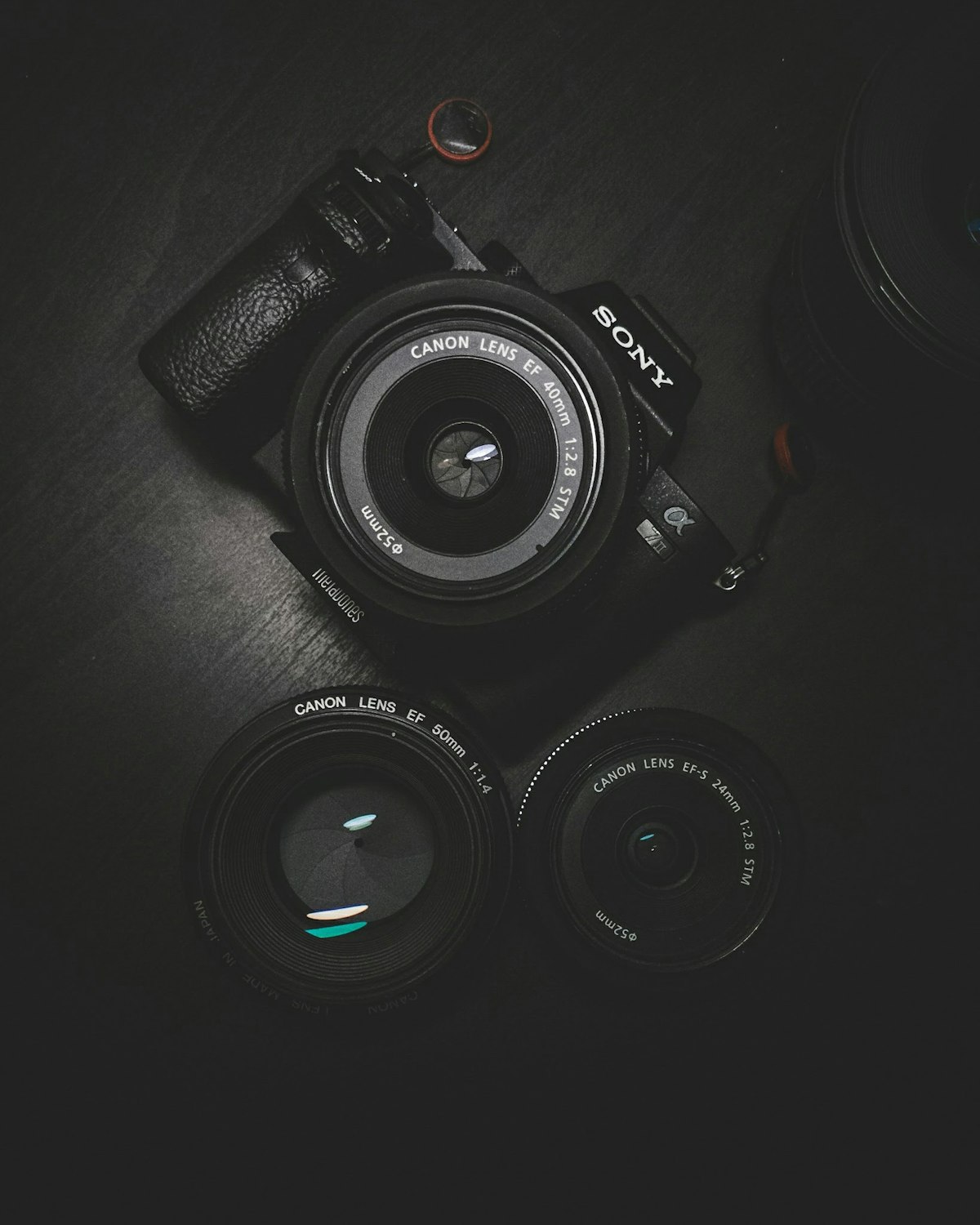
Glass Imaging's technology processes raw sensor data through a single neural network tuned to the specific optical properties of one camera module.
GlassAI: One Network Instead of Five Separate Steps
Unified Processing
Ordinary camera pipelines treat demosaicing, noise reduction, sharpening, and frame fusion as separate sequential stages. GlassAI runs them through one neural network trained together.
Hardware-Specific Training
The network is trained against the specific optical properties of one particular camera module, correcting that exact lens and sensor's known aberrations.
DSLR-Comparable Goal
The company's stated aim is closing the gap between a small phone sensor and a much larger dedicated camera, extracting more real detail from the same physically limited hardware.
Already Shipping
Its zoom-imaging technology has reportedly appeared in phones from Chinese manufacturer Honor, and the company has cited independent DXOMARK testing on a Motorola Edge 40 Pro.
Where This Fits in OpenAI's Hardware Push
Glass Imaging is the latest piece in a hardware strategy OpenAI has been building for over a year. The company paid $6.5 billion for Jony Ive's device startup, io Products, in 2025, and has since hired numerous former Apple employees. Court filings from an unrelated trademark dispute indicated that OpenAI's first hardware device is not expected to ship to customers before the end of February 2027, and reporting has described it as a portable, screenless smart speaker rather than anything camera-centric on the surface.
| Acquisition/Move | Year | Reported Value | Relevance |
|---|---|---|---|
| io Products (Jony Ive) | 2025 | $6.5 billion | Core hardware design team and device strategy |
| Hiring former Apple staff | 2025-2026 | Undisclosed | Build out hardware and industrial design expertise |
| Glass Imaging | 2026 | ~$300 million | Computational photography for any camera-equipped device |
OpenAI has not stated whether Glass Imaging's technology will be used in the Ive-designed device, and the company hasn't confirmed any product plans publicly. But the timing and pattern are hard to ignore: a company building consumer hardware, working with a designer known for the iPhone, adding a camera-technology team on the heels of a much larger device-focused acquisition, is a reasonably legible sequence even without an official roadmap.
Vision as an Input, Not Just a Feature
Cameras are a data source, not just a photo tool
For a device meant to understand its physical surroundings, a high-quality camera feed gives an AI model cleaner visual input before interpretation even begins.
Small-form-factor devices need computational help
A screenless speaker or wearable can't fit a large camera sensor, so software-driven image quality becomes the only lever available to close the gap with dedicated cameras.
It could also license out, independent of any OpenAI device
Glass Imaging's technology already ships in third-party phones; OpenAI could continue or expand that licensing business regardless of its own hardware timeline.
What's Confirmed, and What's Still Speculation
It's worth being precise about what's actually known versus inferred here. Confirmed: The Wall Street Journal's report of the acquisition and its roughly $300 million valuation, Glass Imaging's founding team and prior work, its existing licensing deals with phone manufacturers, and OpenAI's separate, much larger io Products acquisition. Not confirmed: any specific product Glass Imaging's technology will go into, whether it connects at all to the Ive-designed device, or even official confirmation of the deal itself from either company, since both have so far declined to comment publicly.
Industry commentary has also raised a more skeptical angle worth including. Some technologists who've followed Glass Imaging's approach note that its unique optical and software combination, while genuinely clever, faced real commercial headwinds finding a mainstream market before the acquisition, since building complexity into computational imaging software is a bet that only pays off at real manufacturing scale. Whether OpenAI's resources change that calculus, or whether the acquisition was primarily about acquiring a small, experienced team rather than the technology itself, remains an open question the public reporting doesn't settle.

Glass Imaging's core bet is that AI processing can close the gap between a small phone sensor and a much larger dedicated camera.
There's also a talent-acquisition reading of the deal worth considering separately from any product roadmap. Glass Imaging was a genuinely small company, reportedly numbering only a handful of employees, meaning the acquisition brought OpenAI two experienced camera engineers with direct Apple pedigree far more than it brought a large team or a mature commercial product line. Acquisitions of this size and shape are common in hardware-adjacent fields specifically because the value sits in a small number of people with rare, specific expertise, and a $300 million price tag for that kind of hire is not unusual once a company has decided that expertise is strategically important enough.
The Bottom Line
OpenAI's acquisition of Glass Imaging, reported at roughly $300 million, adds a small, technically credible computational-photography team to a hardware strategy that already includes a $6.5 billion device-design acquisition and a wave of former Apple hires. Neither company has confirmed exactly what the technology will be used for, but the pattern points toward an AI device that sees its surroundings clearly, whatever form that device ultimately takes.
Frequently Asked Questions
What does Glass Imaging actually make?
Glass Imaging built GlassAI, a neural image signal processor that replaces the separate stages of a typical camera pipeline with a single neural network trained on the specific optical properties of one camera module, aiming for image quality closer to a dedicated camera than a typical smartphone.
How much did OpenAI pay for Glass Imaging?
The deal, first reported by The Wall Street Journal on September 14, 2026, valued Glass Imaging at more than $300 million, up sharply from the roughly $100 million valuation it had in a 2025 funding round after raising only about $30 million total.
Who founded Glass Imaging?
Ziv Attar and Tom Bishop, both former Apple engineers. Bishop is credited with co-creating the technology behind the iPhone's Portrait Mode, and Attar previously founded LinX Imaging, which Apple acquired in 2015.
Is this related to OpenAI's device with Jony Ive?
OpenAI has not confirmed a direct connection, but the timing lines up with its broader hardware push. OpenAI bought Jony Ive's device startup io Products for $6.5 billion in 2025, and reports describe an in-development screenless smart speaker as its likely first product.
Has Glass Imaging's technology shipped in any real products?
Yes. Its zoom-imaging technology has reportedly been used in phones from the Chinese manufacturer Honor, and the company cited independent DXOMARK testing of its software on a Motorola Edge 40 Pro.
More AI Guides, Written Clearly
Browse our full library of AI explainers and how-tos, updated as the tools change.
More from the creator
Explore two other projects from the same creator.