Why Websites Need to Optimize for AI Search in 2026
AI search still sends a tiny fraction of the traffic Google does — around 1% of total sessions across most industries. On paper, that sounds like a reason to ignore it. The conversion data tells a very different story, and it's the reason marketing teams that used to treat AI search as a side project are now building it into next year's budget.
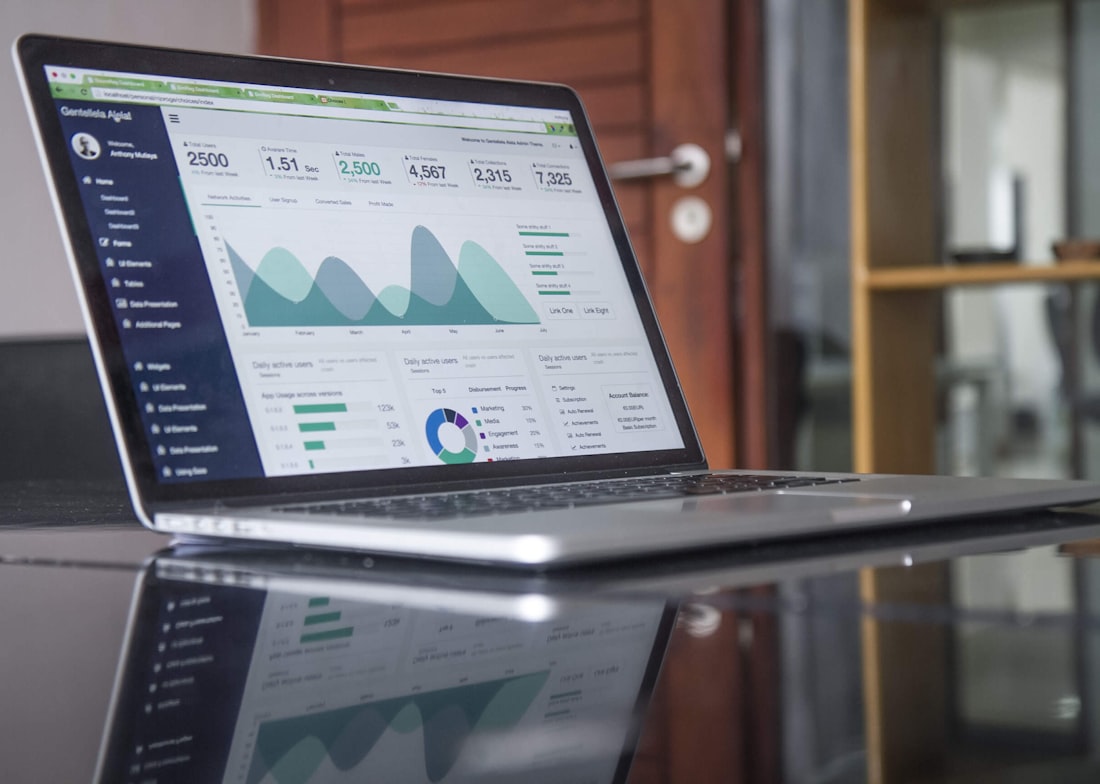
Small volume, outsized value — that's the current shape of AI search traffic for most websites.
Small Traffic, Outsized Conversion Value
Websites need to optimize for AI search not because it sends a lot of traffic yet, but because the traffic it does send converts far better than Google organic, and it's the fastest-growing channel most sites have — while the traditional alternative is shrinking. Conductor's 2026 benchmark study of nearly 14,000 domains found AI referral traffic averaging just 1.08% of total sessions. That's a genuinely small number, and any article claiming AI search has "replaced" Google traffic for most sites is overstating things.
But conversion data changes the calculation. A study of 312 B2B technology firms found AI-referred visitors converting at 14.2% versus 2.8% for Google organic — roughly five times higher. Seer Interactive's multi-vertical case study found an even wider 9x gap between ChatGPT referrals and Google organic. Ahrefs, looking at its own traffic, found AI-referred visitors made up just 0.5% of sessions but drove 12.1% of signups — a 23x conversion differential. The pattern holds across independent studies even though the exact multiple varies: fewer visitors, converting at multiples of the standard rate.
AI Referrals Arrive Pre-Qualified

A visitor who clicked through an AI-written answer has typically already read a synthesized comparison before they land on your page.
The behavioral explanation researchers give is consistent: someone who reaches your site through an AI answer has usually already had several of their questions pre-answered by the AI system itself before clicking through, so they arrive further along in their decision than someone who typed a broad keyword into Google and is still browsing options. Adobe Analytics' Q1 2026 data, built on more than a trillion visits across 130-plus North American retailers, found AI-referred shoppers spend 48–53% more time on product pages and view 13–23% more pages per visit — behavioral signals of deeper intent rather than casual browsing.
Shopify's own 2026 commerce data reinforces this at scale: AI-referred sessions converted at nearly 50% higher rates than organic search on product pages, outperforming SEO in 23 of 25 merchant categories by an average of 56%, with 14% higher average order values on top of the higher conversion rate.
The Alternative Is a Shrinking Channel
The case for AI search optimization isn't just about upside — it's also about what's happening to the channel most sites still depend on most. Multiple 2026 analyses found Google search referral traffic to publishers down roughly a third year-over-year, with small publishers losing an even larger share of their traffic, some sites over 50%. Gartner had forecast back in 2024 that traditional search engine query volume would drop 25% by 2026 as AI tools absorbed a growing share of queries — a forecast that's tracking closely with what SparkToro and other researchers have since measured in zero-click search behavior.
Put together, the picture for most content-dependent websites is a slow-motion channel swap: the largest existing source of traffic is shrinking, while a much smaller but faster-growing and higher-converting source is emerging next to it. Ignoring the second while the first erodes is a strategy that gets harder to defend every quarter.
What Optimizing for AI Search Actually Looks Like
Answer questions directly
Put a clear, direct answer near the top of a page rather than burying it under a long narrative introduction — AI systems extract and cite specific answers, not scene-setting.
Keep content genuinely fresh
AI-cited content runs noticeably fresher than typical top-10 organic results, so revisiting and updating older pages matters more than it used to.
Earn mentions beyond your own site
Independent coverage and brand mentions elsewhere correlate more strongly with AI citation than backlinks or domain authority do.
Don't neglect traditional SEO
Strong organic rankings and structured, crawlable content remain a meaningful part of the picture even though they no longer guarantee an AI citation on their own.
None of this requires abandoning a site's existing SEO work — it's closer to an additional layer on top of it, aimed at a channel that behaves differently enough from traditional search to deserve its own attention.
Frequently Asked Questions
How much traffic does AI search actually send compared to Google?
Still very little — around 1.08% of total sessions on average across nearly 14,000 domains studied in 2026, even after 527% year-over-year growth.
If it's so little traffic, why does it matter?
Because it converts far better — studies found AI-referred visitors converting at 2x to 5x the rate of Google organic traffic, with some companies reporting gaps of 9x to 23x.
Is Google traffic actually shrinking?
For many publishers, yes — referral traffic to publishers fell roughly a third year-over-year in multiple 2026 analyses, largely attributed to AI Overviews and zero-click search.
Does this mean abandoning traditional SEO?
No. Strong traditional rankings and clear, crawlable structure still correlate with AI citation likelihood — the two overlap more than they compete.
What's the risk of not optimizing at all?
Missing out on a small but fast-growing, high-converting channel while competitors who do earn citations pull ahead in both visibility and revenue per visitor.
More AI Guides, Written Clearly
Browse our full library of AI explainers and how-tos, updated as the tools change.
More from the creator
Explore two other projects from the same creator.