Android vs iPhone AI Features: What's Actually Useful?
Both Android and iOS have leaned hard into AI over the past couple of years, but the two platforms have taken genuinely different approaches — Google building deeply around Gemini as a cloud-connected assistant woven through the OS, Apple leaning more heavily on on-device processing and tighter, narrower integrations. Here's an evenhanded look at where each one currently has the edge, and where it comes down to personal preference more than a clear winner.
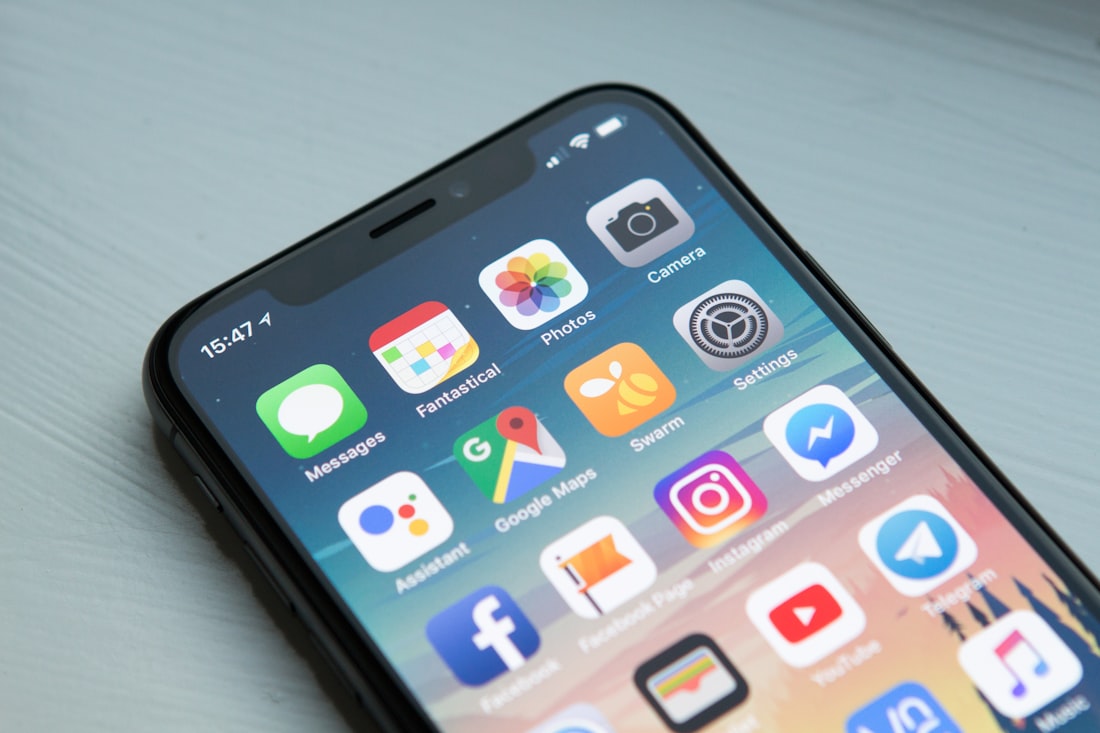
The two platforms have taken meaningfully different philosophical approaches to building AI into a phone.
Cloud-Connected Assistant vs. On-Device Processing
The clearest structural difference between the two platforms is where the AI processing actually happens. Many of Android's most capable AI features — Guided Vision, complex Gemini Live conversations, image and video generation — run through cloud-based Gemini models, which generally means more capable results but requires an active internet connection and involves sending data off the device. Apple has generally prioritized on-device processing for many of its AI features, trading some raw capability for stronger privacy guarantees and offline functionality, only reaching for cloud processing (via partnerships like the one with OpenAI) for more demanding requests.
Breadth of Integration and Rapid Iteration
Google's ability to ship features through Play Services rather than a full OS update lets Android iterate faster in some respects.
Android's Gemini integration currently reaches further into daily workflows than Apple's equivalent — camera-based scene description through Guided Vision, collaborative lists inside Messages, and a system-level floating bubble for multitasking with the assistant are all live today. Google's ability to ship many of these features through Google Play Services updates, rather than waiting for a full annual OS release, also means Android can iterate and expand a feature's reach faster in some respects, since it isn't tied to a single yearly release cycle for every capability.
Privacy Guarantees and Consistency
Apple's on-device-first approach offers a genuinely different value proposition: features that work without an internet connection, and stronger guarantees about what data does or doesn't leave your device for many everyday AI tasks. Apple's tighter control over both hardware and software also tends to produce a more visually and behaviorally consistent AI experience across features, compared to Android's more varied rollout across dozens of different manufacturers with differing timelines and hardware capabilities.
A Practical Comparison
| Consideration | Android (Gemini) | iPhone (Apple Intelligence) |
|---|---|---|
| Offline functionality | Limited for advanced features | Generally stronger for many features |
| Depth of assistant integration | Broad, expanding quickly | Narrower, more selective |
| Consistency across devices | Varies by manufacturer | Consistent across all iPhones |
| Rollout speed for new features | Fast, via Play Services | Tied more closely to OS release cycles |
Neither column is objectively "better" — they reflect different trade-offs that will matter more or less depending on what you personally prioritize in a phone.
Matching the Platform to Your Priorities
- You want the widest range of AI features available today
- You're comfortable with cloud-based processing for advanced capabilities
- You value features expanding and updating frequently
- Minimizing data leaving your device is a top priority
- You want a more consistent, predictable experience across features
- Offline reliability matters more to you than raw capability
Both Platforms Have Invested Heavily Here
Accessibility is one area where direct comparison is genuinely difficult because both platforms have made real, substantial investments, just with different specific tools. Android's Guided Vision offers real-time, interactive spoken descriptions of a camera scene, while Apple has its own suite of vision-related accessibility tools including VoiceOver and Magnifier with various AI-assisted description capabilities. Neither platform has a clear, decisive advantage here — the better fit often comes down to which specific tool's interaction style and available feature set matches an individual user's particular needs, which is genuinely worth testing directly for yourself rather than assuming one platform is universally superior for accessibility purposes.
Don't Underestimate How Much Platform Lock-In Matters
Beyond the features themselves, it's worth being honest about how much switching costs factor into this decision in practice. Years of photos, messages, purchased apps, and habits built around one platform's specific interface represent a real cost to abandon, and for most people, that accumulated investment outweighs the marginal difference between the two platforms' current AI feature sets. Unless one platform's AI capabilities genuinely solve a problem the other can't address at all, the broader ecosystem and accumulated switching cost considerations often matter more in day-to-day practice than which company currently has the more impressive AI headline feature to show off.
"More Features" Doesn't Automatically Mean "Better Experience"
It's worth gently pushing back on the common assumption that a longer, more impressive feature list automatically translates into a genuinely better day-to-day experience for the person actually using the phone. Android's faster iteration cycle and broader feature set genuinely means more capabilities are available at any given moment, but it also means a more varied, sometimes inconsistent experience across manufacturers and staggered rollout timelines — one Android phone might genuinely have a feature its neighbor doesn't have yet, even coming from the exact same release wave. Apple's slower, more centralized release cadence produces fewer total features at any given moment, but with more predictable, consistent behavior across every supported device simultaneously. Neither trade-off is inherently wrong; they simply serve different values, and it's worth being honest with yourself about which one you'd actually rather live with day to day, rather than defaulting to "more is better" as a blanket rule.
There's No Universally Correct Choice Here
After weighing all of this, the honest conclusion is that neither platform's AI approach is objectively superior across every dimension that might matter to a given person. If broad, rapidly expanding AI capability is your top priority and you're comfortable with more cloud-based processing, Android's current trajectory and pace of feature releases likely appeals to you more than the alternative. If you weight privacy, offline reliability, and cross-device consistency more heavily, Apple's approach is genuinely likely to feel like the better overall fit for how you personally use a phone. Reasonable, genuinely well-informed people land on different sides of this comparison depending entirely on which specific trade-offs they personally value most in a phone, and that's a perfectly legitimate, reasonable place for this whole comparison to land, rather than expecting a single decisive winner to emerge from it.
Frequently Asked Questions
Is one platform's AI objectively better than the other?
Not in any universal sense -- the two platforms optimize for different priorities. Android currently offers broader, faster-iterating AI integration, while Apple emphasizes on-device privacy and consistency. Which matters more depends on your own priorities.
Does Apple use cloud AI at all?
Yes, for more demanding requests, through partnerships like the one with OpenAI, but Apple's general design philosophy leans more heavily toward on-device processing than Google's Gemini-centric approach on Android.
Can I get Gemini on an iPhone, or Apple Intelligence on Android?
You can install the Gemini app on an iPhone for many of its conversational features, though deep system-level integrations remain platform-specific. Apple Intelligence is not available on Android devices.
Which platform has better accessibility-focused AI features?
Both have made significant investments, just with different specific tools -- Android's Guided Vision versus Apple's VoiceOver and Magnifier ecosystem, for example. The better fit typically depends on an individual's specific needs rather than one platform being universally superior.
Should I switch platforms just to get a specific AI feature?
Generally not recommended for a single feature alone. The accumulated cost of switching -- photos, apps, habits, and ecosystem investment -- usually outweighs the benefit of one specific AI capability, unless that feature solves a problem the other platform genuinely can't address at all.
More Guides, Written Clearly
Browse our full library of software and troubleshooting explainers, updated as things change.
More from the creator
Explore two other projects from the same creator.