Best AI Code Review Tools in 2026: Closing the Review Gap
AI coding assistants let a single developer ship two to three times more code than before — but human review capacity hasn't grown to match. That mismatch, sometimes called the "review gap," is why AI code review has become its own category instead of a Copilot side feature. Here's how CodeRabbit, Greptile, Qodo, DeepSource, and the rest actually compare in mid-2026, and which one fits which team.
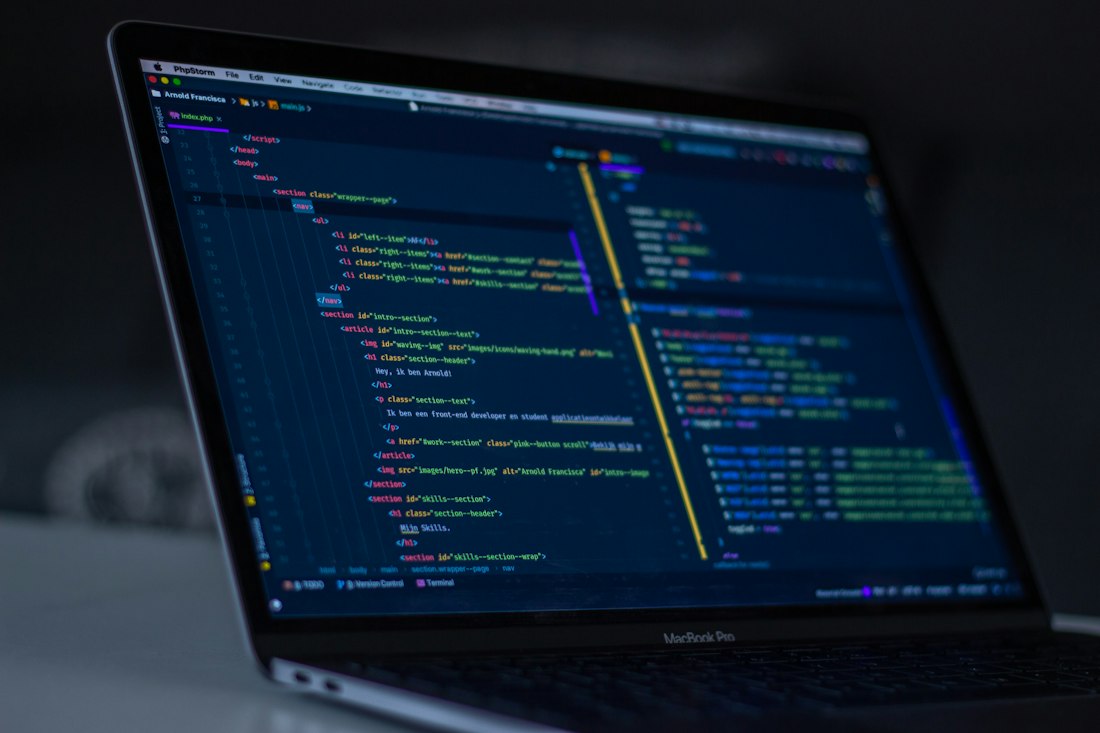
Pull requests now arrive faster than any human queue can process — AI review tools exist to keep that queue from becoming the bottleneck.
Why AI Code Review Became Its Own Category
Tools like GitHub Copilot and Cursor changed how fast code gets written, but review capacity stayed flat — the same number of humans, reading the same way, at a much higher volume. AI code review tools apply the same automation to the other side of the pipeline: scanning pull requests for bugs, security issues, and style violations before a human reviewer ever opens the diff. The best ones understand a whole codebase, not just the lines that changed, catching issues that depend on callers, shared modules, and assumptions invisible from the diff alone.
Anthropic entered this space directly in March 2026 with Claude Code Review, a managed multi-agent system that automatically reviews GitHub pull requests as they open, available to Team and Enterprise customers as a research preview at roughly $15 to $25 in token-based cost per review. For individual developers or teams wanting flat-rate, unlimited reviews, purpose-built tools remain the stronger fit.
CodeRabbit vs. Greptile: The Two Names Everyone Compares
CodeRabbit and Greptile are the two most-cited tools in almost every 2026 comparison, and they optimize for opposite things. CodeRabbit trades recall for precision: it catches fewer total issues but keeps false positives low, so developers actually read what it flags instead of tuning it out. It's the only major tool with native integrations across GitHub, GitLab, Azure DevOps, and Bitbucket, and its free tier covers unlimited public and private repos with rate limits rather than a vanishing trial window.
Greptile goes the other direction, indexing the entire repository rather than just the diff. In head-to-head benchmarks on open-source pull requests, Greptile has been measured catching over 50% more bugs than CodeRabbit — useful for large or legacy monorepos where the real bug hides in a file the diff never touches, at the cost of slower reviews and a higher noise level.
CodeRabbit
Best signal-to-noise for general-purpose review. Multi-platform. The safe first install for most teams.
Greptile
Full-repo context catches cross-file bugs others miss. Used at NVIDIA, Meta, and Netflix. Slower and pricier.
Qodo (CodiumAI)
Multi-agent review architecture that also generates the unit tests your coverage is missing.
DeepSource
Hybrid static-plus-AI analysis with 5,000+ deterministic rules. Leads on security benchmark scores.
Copilot, Semgrep, and Where They Fit
If your team already pays for GitHub Copilot Pro, Pro+, Business, or Enterprise, Copilot Code Review is worth turning on before adding another vendor — it's bundled at no extra cost and works inline in the existing GitHub PR interface, even though dedicated review-first tools generally out-specialize it. Semgrep remains the pick when security findings specifically are the priority; most teams that use it run it alongside a general-purpose reviewer like CodeRabbit rather than as a replacement.
Graphite, formerly Screenplay, took a different path: after building a well-regarded AI code review platform, it was acquired by Anysphere — the company behind Cursor — in December 2025, folding review functionality closer to the editor itself. That acquisition is a signal worth watching: the line between "where you write code" and "where code gets reviewed" is blurring, and more of these tools may end up bundled into IDEs rather than sold as standalone GitHub Apps.
Matching the Tool to Your Team
- You want the fastest setup with the least configuration
- Your team splits work across GitHub, GitLab, and Bitbucket
- Developer trust in the tool matters more than catching every edge case
- You run a large or aging monorepo with cross-service bugs
- You've already outgrown line-level, diff-only reviewers
- Budget allows for slower, deeper, more expensive reviews
One rule holds regardless of which tool wins the feature comparison: don't pick the reviewer that catches the most issues on paper. Pick the one your team will actually read. A tool with a lower catch rate but near-zero false positives changes developer behavior in a way a noisy, technically-more-thorough tool never will, because the noisy one gets muted within a week.
So, Which One?
Start with CodeRabbit; add Greptile once your codebase outgrows it.
For most teams shipping AI-assisted code in 2026, CodeRabbit remains the safest default — broad platform support, low noise, and a free tier that doesn't expire. Teams working in large, interconnected codebases where bugs hide between files get real value from layering Greptile on top. Already paying for Copilot Business or Enterprise? Turn on Copilot Code Review first before adding a new vendor at all.
Frequently Asked Questions
What is the best AI code review tool in 2026?
There isn't one universal winner. CodeRabbit is the most widely adopted for general-purpose PR review with low noise, Greptile catches the most bugs in large or legacy codebases thanks to full-repo indexing, and Qodo pairs review with automated test generation. The right pick depends on codebase size and whether you already pay for GitHub Copilot.
Can AI code review tools replace human reviewers?
No. AI reviewers catch bugs, security issues, and style violations reliably, but they don't understand business context, user intent, or architectural direction the way a human reviewer does. They reduce the volume of routine issues a human needs to catch, which makes review sustainable at higher pull request volumes.
How much do AI code review tools cost?
As of mid-2026, CodeRabbit and DeepSource both price around $24 per user per month on annual plans, while Greptile runs about $30 per user per month with per-review charges after a free allotment. GitHub Copilot Code Review is bundled into existing Copilot Pro, Pro+, Business, and Enterprise subscriptions at no extra cost.
More AI Guides, Written Clearly
Browse our full library of AI tool comparisons and explainers, updated as the category evolves.
More from the creator
Explore two other projects from the same creator.