GLP-1 Drugs and Exercise: What to Know
If you're on a GLP-1 drug and wondering whether exercise is worth the effort when the medication is already doing so much of the work, the research has a fairly clear answer: yes, and it matters more than most people assume, specifically because of what it does to protect muscle and function that the drug alone tends to erode.
What the Best Available Trial Actually Found
The S-LITE trial, published in the New England Journal of Medicine, is the single most-cited study on this exact question. Researchers randomized adults with obesity to one of four groups for a full year: exercise alone, liraglutide (an earlier GLP-1 drug) alone, the combination of both, or neither. The combined group didn't just lose the most weight overall, it also lost the smallest proportion of that weight as lean mass, meaning the fat-to-muscle ratio of what was lost was more favorable than in either single-intervention group.
This is the strongest evidence available that exercise and GLP-1 medication aren't competing strategies where you pick one, but complementary ones that address different parts of the same problem: the drug suppresses appetite and improves metabolic markers, while exercise, particularly resistance training, gives your body a direct signal to preserve muscle tissue even while you're in a calorie deficit.
Why Resistance Training Specifically Matters Most
Not all exercise offers the same protective effect against the muscle loss covered in GLP-1 drugs and muscle loss. Cardiovascular exercise, like walking, cycling, or swimming, offers real benefits for heart health, mood, and calorie expenditure, but it doesn't provide the same direct mechanical stimulus that tells your body to maintain or build muscle tissue. Resistance training, meaning exercise against a load, whether weights, resistance bands, or bodyweight, does.
Several ongoing dedicated trials in 2026, including ones known as FLEX, RESIST, and EXER-MED, are specifically testing structured resistance training programs of 3 to 5 sessions weekly alongside GLP-1 medications, aiming to nail down more precise, evidence-based exercise prescriptions rather than general advice to "stay active." Until those results are fully published, the practical takeaway from existing evidence is that some resistance training, even modest amounts, appears meaningfully better than none.
A Realistic Starting Routine
You don't need an elite training program to get meaningful benefit. A commonly recommended, achievable starting point looks like this.
| Component | Frequency | Notes |
|---|---|---|
| Resistance training | 2 to 3 sessions weekly | Full-body sessions covering major muscle groups; bodyweight or light weights are fine to start |
| Walking or light cardio | Most days, 20 to 30 minutes | Supports cardiovascular health and calorie balance without adding excessive fatigue |
| Protein timing | Within a couple hours of resistance sessions | Supports the muscle-preservation signal from training; see GLP-1 drugs and protein intake |
| Recovery | At least 1 full rest day weekly | Especially important given potential fatigue from reduced calorie intake |
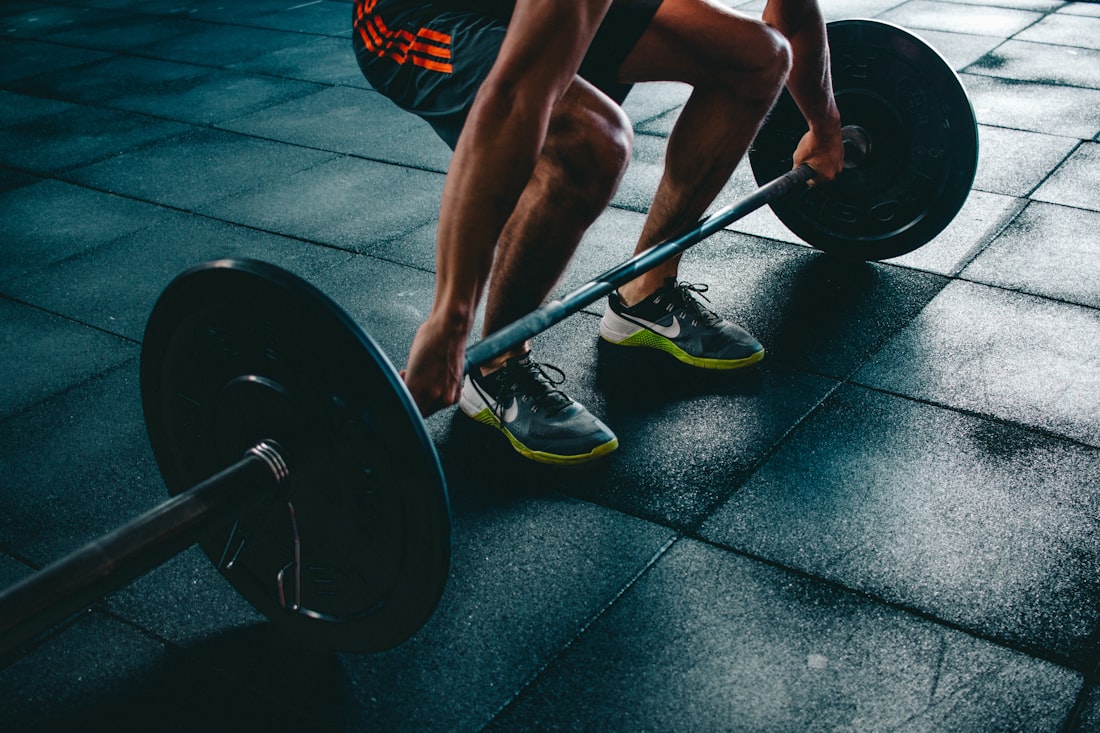
Resistance training two to three times weekly is a realistic, evidence-supported starting point for most people on a GLP-1 drug.
Managing Exercise Alongside Common Side Effects
Exercising while managing nausea, fatigue, or reduced appetite requires some practical adjustment, particularly in the early weeks of treatment or right after a dose increase.
- Time workouts away from your nausea peak. If nausea is worst on injection day and the day after, schedule harder sessions for later in the week.
- Fuel adequately before training, even if appetite is low; a small carbohydrate and protein snack an hour beforehand helps prevent low energy during exercise.
- Stay ahead of hydration, since exercise adds to fluid needs on top of the baseline dehydration risk covered in GLP-1 drugs and dehydration.
- Expect lower energy on higher doses, especially in the first weeks after a dose increase, and scale intensity down temporarily rather than pushing through.
- Prioritize consistency over intensity, since research on muscle preservation is more about regular stimulus than about maximal effort.
Cardiovascular Benefits Beyond Muscle Preservation
Exercise's benefits alongside a GLP-1 drug extend well beyond preventing muscle loss. Cardiovascular activity improves insulin sensitivity through a mechanism separate from the drug's own effect, which can be particularly valuable for people managing type 2 diabetes alongside weight loss. Exercise also supports bone density, which matters given ongoing research interest in how rapid weight loss and reduced physical loading may affect bone health during GLP-1 treatment.
There's also a mental health dimension worth naming directly: regular exercise is independently associated with improved mood and reduced anxiety, which can be a helpful counterbalance during a period of significant dietary and body change that some people find psychologically challenging even when it's going well physically.
Working Around Physical Limitations
Many people considering a GLP-1 drug have joint pain, mobility limitations, or years of inactivity that make a standard resistance training recommendation feel unrealistic. Research on the phenotype most likely to lose excessive lean mass, discussed in GLP-1 drugs and muscle loss, specifically flagged pre-existing musculoskeletal pain and reduced exercise tolerance as risk factors, which makes this group arguably the one that benefits most from finding an adapted approach rather than skipping exercise altogether.
Chair-based resistance exercises, resistance bands rather than free weights, water-based exercise for people with joint pain, and working with a physical therapist to build a program around specific limitations are all reasonable adaptations. The goal is consistent, safe muscular loading, not any particular exercise modality; a properly progressed resistance band program can provide meaningful muscle-preservation benefit even for someone who can't currently manage a gym-based weight program.
How Much Weight Can Exercise Alone Add?
It's worth setting realistic expectations about exercise's direct contribution to the number on the scale, as distinct from its contribution to muscle preservation and health. In the S-LITE trial, exercise alone (without medication) produced meaningfully less weight loss than either the medication alone or the combination, which is consistent with a large body of prior research showing that exercise alone, without dietary change, tends to produce fairly modest weight loss for most people, often in the range of a few percent of body weight rather than the double-digit percentages GLP-1 drugs achieve.
This isn't a reason to skip exercise. It's a reason to think about exercise and medication as serving different, complementary purposes rather than expecting exercise to replace or significantly add to the scale-based results the medication is already producing on its own.
What If You Weren't Active Before Starting Treatment?
It's genuinely common to start a GLP-1 drug specifically because prior attempts at diet and exercise alone weren't producing enough change, which means many people beginning treatment aren't starting from an established fitness routine. That's completely fine, and it doesn't mean you've missed the benefit window. Starting even a modest resistance routine partway through treatment, once nausea and appetite adjustment have settled somewhat, still appears to offer meaningful protective benefit based on the mechanisms described above, even if you didn't begin on day one.
If you're new to structured exercise, working with a physical therapist or trainer for even a few sessions to learn safe basic movements is a reasonable investment, particularly if you have joint pain or other physical limitations that make starting on your own intimidating.
Frequently Asked Questions
Do you need to exercise while taking a GLP-1 drug?
It's not strictly required for the medication to work, but the strongest available trial evidence, the NEJM-published S-LITE study, found that combining exercise, particularly resistance training, with a GLP-1-class drug produced both greater weight loss and better preservation of lean muscle mass than the medication alone.
What type of exercise is best while on Ozempic or Zepbound?
Resistance training appears most important specifically for preserving muscle mass, since it gives the body a direct mechanical signal to maintain tissue that appetite suppression alone doesn't provide. Cardiovascular exercise offers complementary heart health and mood benefits.
How often should you do resistance training on a GLP-1 drug?
A realistic, evidence-informed starting point is 2 to 3 sessions weekly covering major muscle groups, with several ongoing dedicated trials testing more structured 3 to 5 day programs to refine specific recommendations further.
Is it safe to exercise if you have nausea or low energy from a GLP-1 drug?
Generally yes, with adjustments: schedule harder sessions away from your nausea peak, eat a small snack beforehand even with low appetite, stay ahead of hydration, and scale intensity down temporarily after dose increases rather than pushing through.
Key Takeaways
- The NEJM-published S-LITE trial found combining exercise with a GLP-1-class drug produced the greatest weight loss and the best-preserved lean muscle mass of any studied combination
- Resistance training specifically, not just cardio, appears most protective against the muscle loss common with these drugs
- A realistic starting point is 2 to 3 resistance sessions weekly plus regular light cardio
- Adjusting workout timing around nausea and dose-increase fatigue helps maintain consistency
- Starting exercise even partway through treatment still appears to offer meaningful protective benefit
More Health Guides, Written Clearly
Browse our full library of medically reviewed articles on diabetes, heart health, and weight management — all in plain, easy-to-understand language.
Explore All Health ArticlesSources and References
- Lundgren et al. — Healthy Weight Loss Maintenance with Exercise, Liraglutide, or Both Combined (S-LITE), New England Journal of Medicine
- PMC — Preservation of lean soft tissue during weight loss induced by GLP-1 and GLP-1/GIP receptor agonists, 2026
- American College of Sports Medicine — Exercise guidance for patients using GLP-1 receptor agonists