How AI Is Changing Telemedicine
Telemedicine used to mean one thing: a video call replacing an in-person visit. In 2026 that description covers only a fraction of what a modern virtual care platform actually does. AI now touches nearly every step around the call itself, before it starts, during it, and after it ends. This guide walks through each of those AI-driven layers.

A telemedicine visit today is often preceded by an AI triage step most patients never see directly.
What Does AI Actually Add to a Telemedicine Visit?
Three distinct layers, each solving a different problem. Before the visit, AI triage engines collect your symptoms, cross-reference your history, and route you to the right level of care, sometimes in under 90 seconds, so you are not waiting for a scheduling call to find out whether you need urgent care or a routine appointment. During the visit, ambient clinical intelligence tools can listen to the conversation and draft a structured clinical note automatically, freeing the clinician to focus on you instead of typing. After the visit, machine learning models scan patient data to flag who is at higher risk of missing a follow-up or having a complication, shifting care from reactive to proactive.
None of these three layers replace the actual clinical visit or the clinician's judgment. They compress the time and friction around it, which is exactly the space where telemedicine has historically been clunkiest.
How Does AI Pre-Visit Triage Actually Work?
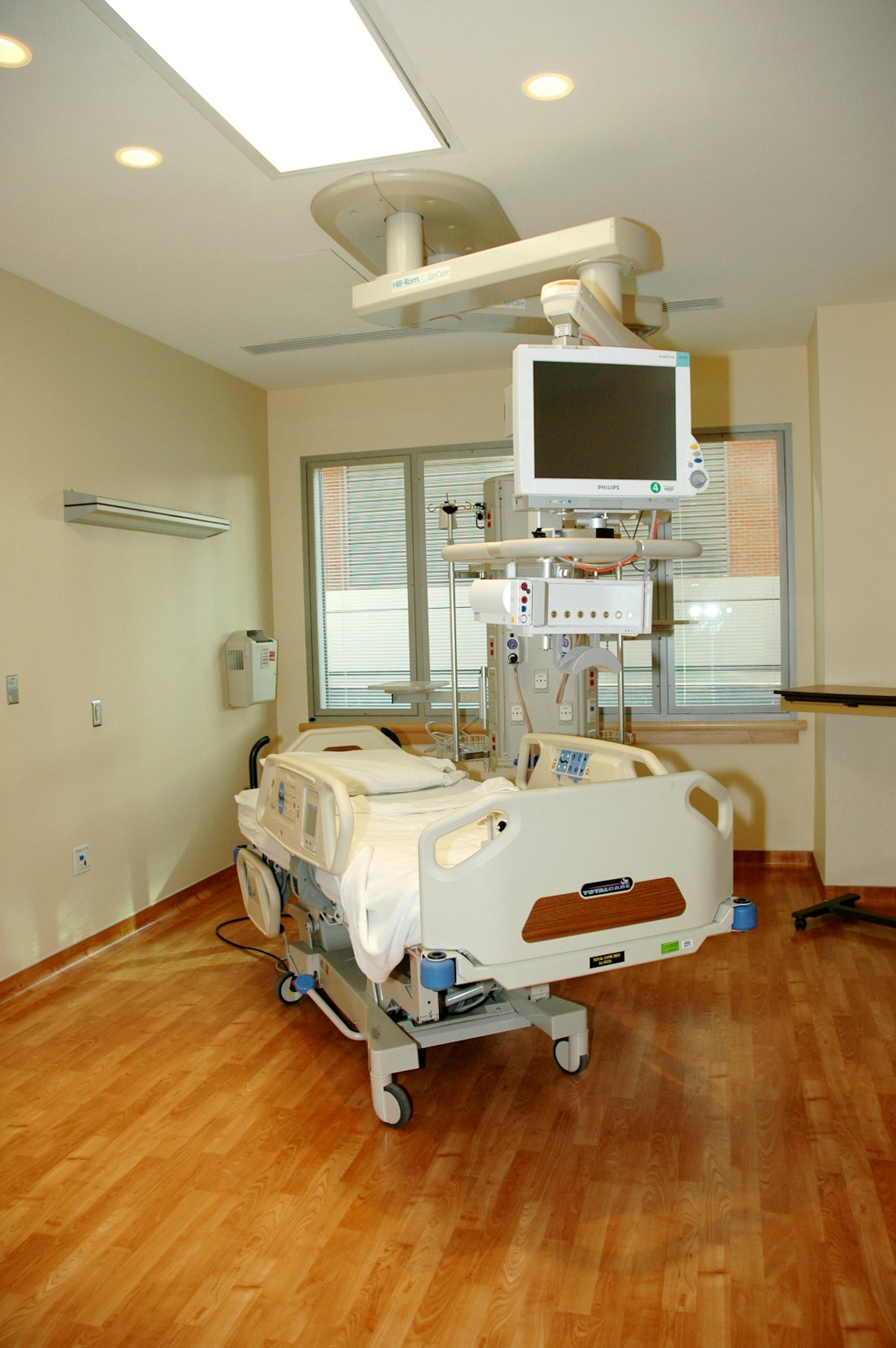
Before a virtual visit even begins, an AI system may already be assessing your symptoms and urgency.
A patient opens a telemedicine app, describes their symptoms in a chat interface, and an AI triage engine asks clinically relevant follow-up questions, cross-references the answers against the patient's recorded medical history, and assigns a severity score. Based on that score, the system routes the patient automatically: an urgent case gets slotted into the next available appointment, while a routine concern might be scheduled days out or redirected to a self-care resource.
This is functionally the same technology covered in our dedicated virtual triage guide and symptom checker accuracy guide, simply embedded specifically into the telemedicine booking flow rather than offered as a standalone app. The accuracy caveats from those guides apply here too: triage accuracy across studied tools has ranged from roughly 48.8% to 90.1%, so it is a genuine efficiency gain, not an infallible sorting mechanism.
What Is "Ambient Clinical Intelligence"?
It refers to AI systems that listen to the natural conversation between a patient and clinician during a visit, then automatically generate a structured clinical note, capturing symptoms discussed, assessment, and plan, in the format the clinician's electronic health record expects. This has become one of the fastest-growing uses of AI in telemedicine specifically because clinician documentation burden is a well-documented, widely disliked part of the job, and it directly translates into more attention on the actual patient during the call rather than on a keyboard.
Some platforms also run real-time AI in the background of the visit itself, flagging conditions the clinician should specifically consider based on what the patient describes, functioning as a kind of second-opinion prompt rather than an independent diagnosis.
Which Health Systems Are Actually Using This Now?
Beyond general industry trend pieces, specific academic medical centers have documented programs. Mount Sinai Health System built an AI symptom-checking program called Check Symptoms and Get Care in partnership with Barton Schmitt, co-author of the widely used Schmitt-Thompson telephone triage protocols nurses have relied on for decades, aiming to combine clinical protocol rigor with AI's speed and consistency. Other academic centers running similar programs include Tufts Medicine in Boston, Baylor Scott and White Health in Dallas, and Banner Health in Tucson.
These specific, named deployments matter because they show the technology moving past pilot demonstrations into routine, ongoing use at recognizable institutions, with real patient volume behind the accuracy and satisfaction numbers being reported.
How Does AI Help With Follow-Up Care?

AI chatbots increasingly serve as the first point of contact before a human clinician joins a call.
Machine learning models can scan a telemedicine platform's full patient population and flag individuals showing patterns associated with higher risk, of missing a scheduled follow-up, of a medication complication, or of a condition worsening, prompting a proactive outreach rather than waiting for the patient to notice a problem and reach back out. In remote patient monitoring specifically, where a patient wears a connected device between visits, AI agents can review streaming data and alert a care team to concerning trends far faster than a human reviewing the same data manually.
One research system, described as achieving reliable clinical triage in remote patient monitoring in minutes rather than days, illustrates where this category is heading: continuous, AI-mediated monitoring between visits rather than care that only happens during a scheduled appointment.
Does This Apply to Virtual Mental Health Care Too?
Yes, and it is one of the fastest-growing subcategories. AI-guided cognitive behavioral therapy programs, AI-assisted intake screening for mental health symptoms, and AI note-drafting for therapy sessions are all documented parts of virtual mental health care in 2026, addressing long-standing barriers around stigma, geographic access, and provider shortages that have historically limited in-person mental health care specifically.
This category carries its own distinct safety considerations beyond the general telemedicine discussion above, particularly around companion-style AI chatbots that blur the line between structured clinical support and open-ended emotional conversation, a distinction several 2026 state laws specifically aimed at protecting minors have tried to draw more clearly.
What Is Still Entirely Human in Telemedicine?
The clinical decision itself. Every credible source in this space is explicit that AI in telemedicine is designed to augment physician capabilities, not replace clinical judgment. The triage engine routes you to a clinician; it does not diagnose you. The ambient note-taker drafts a record of what the clinician found; it does not decide what that finding means. The follow-up flagging system alerts a human to check on a patient; it does not manage that patient's care independently.
That structure, AI compressing time and surfacing information, humans making the actual clinical calls, mirrors the pattern we have seen across nearly every category in this guide series, from imaging AI in radiology to disease detection AI covered in our disease detection guide.
Where Is This Heading Next?
Expect the three layers described in this guide, pre-visit triage, during-visit documentation, and post-visit monitoring, to become increasingly connected rather than separate tools bolted onto an existing platform. A patient's triage data, visit notes, and remote monitoring trends feeding into one continuous record, reviewed by AI for patterns a busy clinician might not have time to spot manually, is the direction most major telehealth platforms are actively building toward, according to industry roadmaps published throughout 2026.
Whether that connected vision delivers on its promise at scale, versus remaining a fragmented patchwork of point solutions, is likely to be one of the more interesting healthcare technology stories of the next few years.
What Should You Actually Expect as a Patient?
If you book a telemedicine visit today at a modern platform, expect an AI-driven intake questionnaire before you ever speak with anyone, a clinician who may be taking fewer notes by hand than a decade ago because a system is drafting them in the background, and possibly a proactive message afterward if the platform's risk-flagging system notices something in your data worth a follow-up call. None of that should feel intrusive if implemented well, it should mostly feel like the visit itself moved faster and the after-care felt more attentive, with the AI staying invisible unless something specifically needs your attention.
Does More AI Mean Better Care, Automatically?
Not automatically, and the industry itself is still working through this. A platform layering AI onto every step of a visit without careful validation can introduce new failure points as easily as it removes old friction, an AI note-drafter that mishears part of a conversation, or a triage engine that routes patients based on incomplete data, are genuine risks alongside the genuine benefits described throughout this guide. The programs with the strongest published evidence, like Mount Sinai's protocol-grounded triage system, tend to be the ones that pair AI speed with rigorous clinical protocol design, rather than treating AI as a standalone replacement for that underlying rigor.
Frequently Asked Questions
Does AI diagnose me during a telemedicine visit?
No. AI tools in telemedicine typically handle pre-visit triage, note-taking during the visit, and follow-up risk flagging. The actual diagnosis and treatment decisions remain the clinician's responsibility.
What is ambient clinical intelligence in telemedicine?
It refers to AI systems that listen to the patient-clinician conversation during a visit and automatically generate a structured clinical note, reducing the documentation burden on the clinician during the call.
How fast can AI triage a telemedicine patient before their visit?
Some AI-powered pre-visit triage engines can collect symptoms, cross-reference medical history, and assign a severity score and routing recommendation in under 90 seconds, according to industry sources.
How big is the telemedicine market expected to be?
Industry projections put the global telemedicine market at $396.76 billion by 2027, reflecting continued growth well beyond its pandemic-era surge.
More AI & Health Guides, Written Clearly
Browse our full library of AI and health explainers, updated as the tools and evidence change.
More from the creator
Explore two other projects from the same creator.