How AI Is Used to Detect Diseases
Detecting a disease is not always about a single image. Some of the most important AI detection tools work on a stream of numbers, vital signs, lab values, heart rhythms, looking for a pattern that predicts an illness before a person or a doctor would otherwise notice it. This guide covers that broader category, beyond the imaging-specific tools we cover elsewhere.
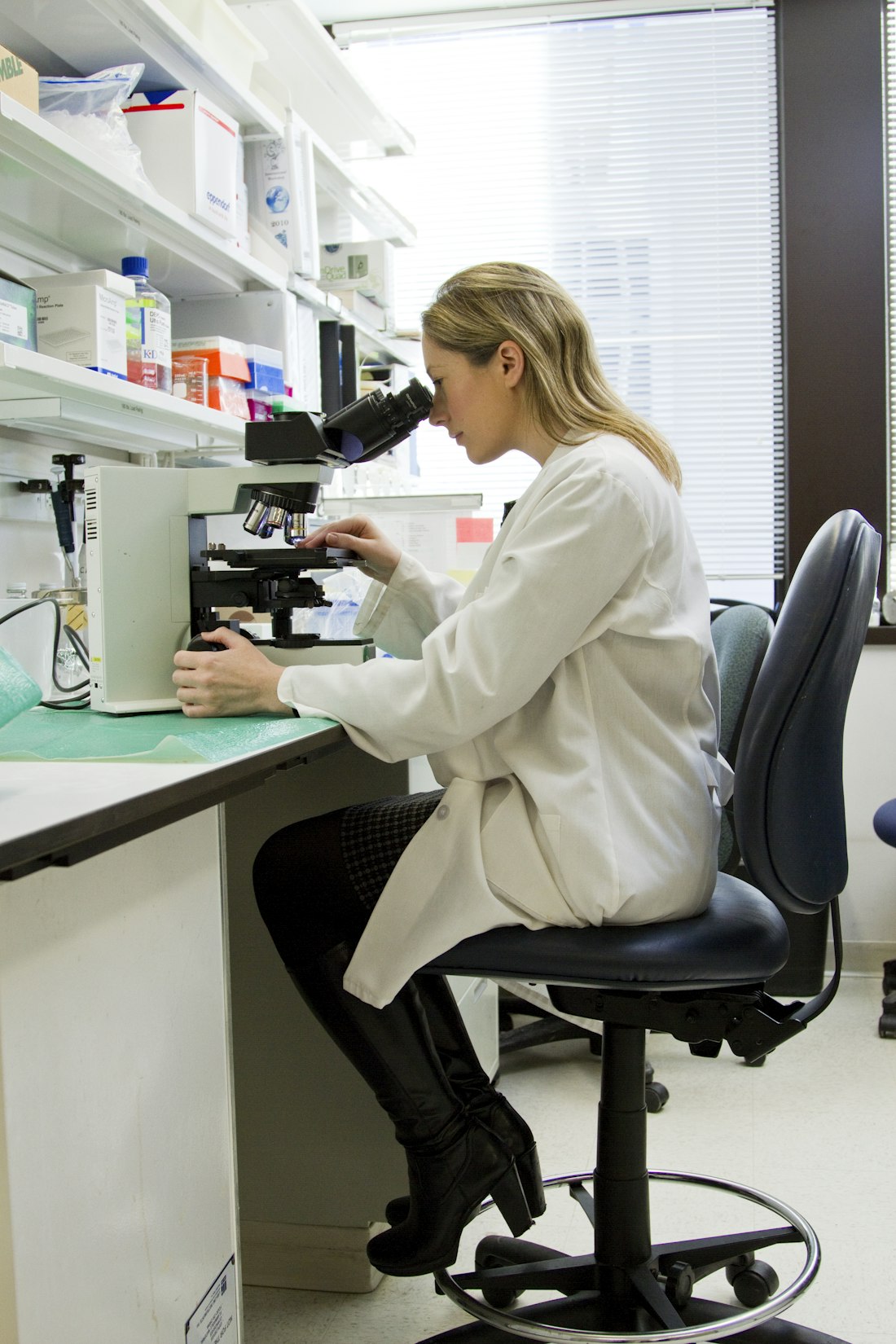
Disease-detection AI often works on continuous streams of vital signs rather than a single image.
How Does AI Detect a Disease Before Symptoms Are Obvious?
Most disease-detection AI works by learning the subtle pattern of small changes that precede a clear diagnosis, changes too gradual or too spread across too many variables for a person checking one chart at a time to reliably notice. Sepsis is the clearest example: it kills through a cascade of small physiological shifts, heart rate creeping up, blood pressure creeping down, lab values drifting, hours before it becomes obviously dangerous.
A well-trained model watching all of those signals continuously can flag the pattern well before a human would. That is a fundamentally different job from reading a single scan, covered in our imaging guide, and it explains why disease-detection AI and imaging AI often use very different underlying techniques even though both get called "medical AI."
How Well Does AI Predict Sepsis?
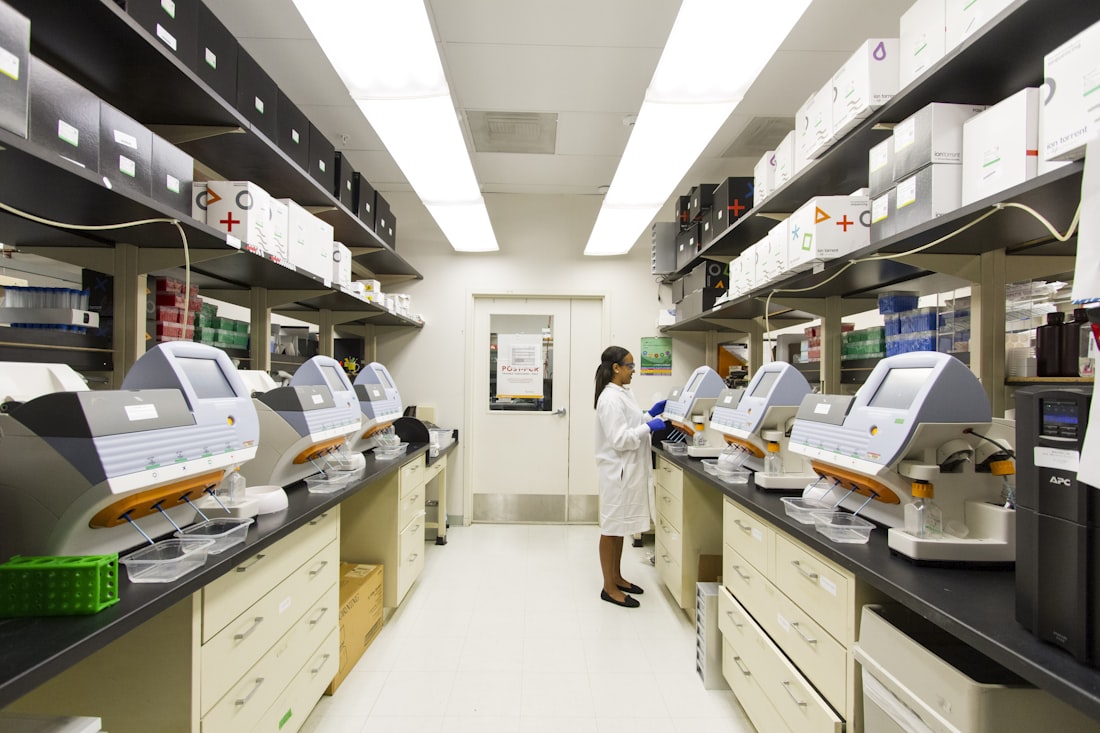
Sepsis prediction models scan lab values and vitals continuously, looking for an early warning pattern.
Sepsis prediction has become one of the most studied applications of this kind of AI, for good reason: it is a leading cause of preventable hospital death, and traditional rule-based screening tools like SIRS and qSOFA have well-documented accuracy limits. A 2026 meta-analysis of AI sepsis prediction studies found models predicting more than 4 hours ahead of onset achieved a pooled accuracy measure (AUROC) of 0.926, a strong result by clinical prediction standards.
The FDA authorized one such tool, the Sepsis ImmunoScore, based on a validation study showing an AUC of 0.85 in its derivation cohort and 0.80 to 0.81 in independent validation, alongside strong prediction of related outcomes like ICU admission and mortality. Real-world economic data from a Spanish hospital found an AI sepsis system associated with roughly $560,000 in annual savings for a single 50-bed ICU, driven mainly by shorter hospital stays. A separate study found AI mining unstructured clinical notes, not just structured vitals, increased early sepsis detection by up to 32% over relying on physician judgment alone.
What Kind of Data Do These Models Actually Learn From?
Disease-detection AI is trained on retrospective hospital data: years of past patient records where the eventual outcome, sepsis confirmed or not, is already known. The model learns which combinations of vitals, labs, and notes preceded a confirmed case, then applies that learned pattern to new, ongoing patients in real time.
This retrospective-to-prospective jump is where most of the engineering difficulty lives. A model that looks great on historical data can behave differently on a live patient stream, where data arrives at irregular intervals, sensors occasionally malfunction, and the population may differ slightly from the original training hospital. That is why external validation, testing on a hospital the model never saw during training, is treated as such an important step before deployment.
What Other Diseases Does This Kind of AI Target?
| Condition | What the AI monitors | Notable result |
|---|---|---|
| Sepsis | Vitals, labs, and unstructured clinical notes over time | 0.80-0.85 AUC on FDA-authorized tools; up to 48-hour lead time in research models |
| Diabetic retinopathy | A single retinal photograph | 87.2% sensitivity, the first FDA-authorized autonomous AI diagnostic system |
| Atrial fibrillation | Continuous heart rhythm data from wearables or ECG | 88.6% to 98.3% sensitivity across major validation studies, covered in our wearables guide |
| Deterioration risk in hospitalized patients | Ongoing vital sign trends across a hospital stay | Widely deployed as "early warning score" AI layered on top of nursing observations |
| Certain cancers from routine scans | Incidental findings on scans taken for unrelated reasons | A growing area, sometimes called opportunistic screening |
The common thread across all five rows: none of them is a single snapshot judgment. Each one works by tracking a signal, a photo compared to millions of others, a rhythm compared to known patterns, over the relevant window of time, and flagging when the pattern crosses a threshold associated with disease.
What Is the Cost of Catching Disease Earlier?
A flagged risk score still goes to a clinician to confirm and act on, not straight to the patient.
Earlier detection always trades against false alarms, and disease-detection AI is no exception. A model tuned to catch every possible sepsis case earlier will also flag more patients who were never actually developing sepsis, generating alert fatigue among clinicians who have to evaluate each flag. One study found an AI approach reduced false positives by up to 17% compared to older methods while still improving detection, showing the tradeoff can improve on both sides at once, but it remains a real tension in every deployment.
This is also why these tools are deployed as alerts and risk scores for a clinician to evaluate, not as autonomous triggers for treatment. A high sepsis risk score prompts a nurse or physician to look more closely at a patient, not to start medication without that human review.
Would You Know If This Kind of AI Was Watching Your Data?
Probably not directly, and that is by design. If you are admitted to a hospital that uses one of these systems, your vital signs and lab values are likely already being monitored by an AI model running quietly in the background, alongside the nurses and physicians checking on you directly. You would only notice its presence indirectly, for example if a clinician mentions checking on you because "your numbers triggered an alert."
For the wearable-specific version of this same idea, tracking your heart rhythm continuously outside a hospital, see our guide to AI and wearable heart detection. And for how disease-detection AI intersects with drug development, our drug discovery guide covers the earlier end of that same pipeline.
Does This Kind of Detection Happen Outside Hospitals Too?
Increasingly yes. The same underlying idea, watching a continuous stream of physiological data for an early-warning pattern, is moving from ICU monitors into consumer wearables. A smartwatch tracking your heart rhythm around the clock is running a much smaller-scale version of the same logic as a hospital sepsis model: learn the normal pattern, flag meaningful deviations, and let a human decide what to do next.
The accuracy bar for a consumer device is different from a hospital-grade system, and the stakes of a false alarm or a missed case differ too, since you are not under continuous clinical supervision at home. We cover that specific comparison in detail in our smartwatch monitoring guide.
How Does This Compare With Older Warning Systems?
| System | Basis | Reported performance |
|---|---|---|
| SIRS criteria (older standard) | Simple threshold rules on 2-4 vital signs | High sensitivity but very low specificity, generating frequent false alarms |
| qSOFA (older standard) | Three simple clinical criteria | Better specificity than SIRS, but often too late to catch early cases |
| Sepsis ImmunoScore (FDA-authorized AI) | Machine learning across dozens of variables | 0.80-0.85 AUC, a stronger balance of sensitivity and specificity |
| SERA algorithm (research) | NLP mining unstructured clinical notes plus structured data | 21-32% more early detections than physician assessment alone, per one study |
The consistent theme across two decades of sepsis research: each generation of tool trades some simplicity for better balance between catching real cases and avoiding false alarms, and AI-based approaches represent the latest step in that same long-running trend, not a sudden break from it.
Does Detection Speed Actually Save Lives?
The evidence for sepsis specifically is encouraging but still developing. Faster detection consistently shows shorter hospital stays and lower costs across the studies cited above, and shorter time-to-treatment is well-established in sepsis medicine generally as improving survival odds. What is harder to prove definitively, and what researchers are still actively studying, is the precise causal chain from "AI flagged this earlier" all the way to "this specific patient survived who otherwise would not have," since so many other factors affect outcome at once.
That nuance matters for setting expectations. Earlier detection is a genuine, measurable clinical improvement. Treating it as an automatic guarantee of a saved life in every flagged case oversells what any single study has actually demonstrated so far.
Frequently Asked Questions
How accurate is AI at predicting sepsis?
Published studies show AUC values around 0.80 to 0.93 depending on the model and prediction window, with some models providing up to 48 hours of lead time before clinical sepsis onset, compared to traditional rule-based screening tools.
Does AI replace nurses monitoring patients?
No. Disease-detection AI generates alerts and risk scores that prompt closer clinical attention. Nurses and physicians remain responsible for evaluating each alert and deciding on care.
What diseases can AI detect early?
Documented applications include sepsis, diabetic retinopathy, atrial fibrillation, general hospital patient deterioration, and incidental findings on scans taken for other reasons.
Are AI disease-detection alerts always correct?
No. Earlier detection trades against false positives. Well-tuned systems have reduced false alarms while improving detection, but no system eliminates the tradeoff entirely, which is why a clinician always reviews the alert.
More AI & Health Guides, Written Clearly
Browse our full library of AI and health explainers, updated as the tools and evidence change.
More from the creator
Explore two other projects from the same creator.