Seed Oils: The Ingredient Everyone's Suddenly Afraid Of — Fairly or Not?
Scroll through enough health content and you'll eventually run into someone warning you off soybean, canola, or sunflower oil — the "seed oils" now blamed for everything from inflammation to obesity to heart disease. The claims spread fast online, largely through mechanistic speculation and correlations rather than clinical trial data. In 2026, a team of nutrition researchers published one of the most thorough reviews yet of the actual human evidence. The findings don't line up with the online narrative — but they don't hand seed oils a clean bill of health for every context, either. Here's what the research actually says.
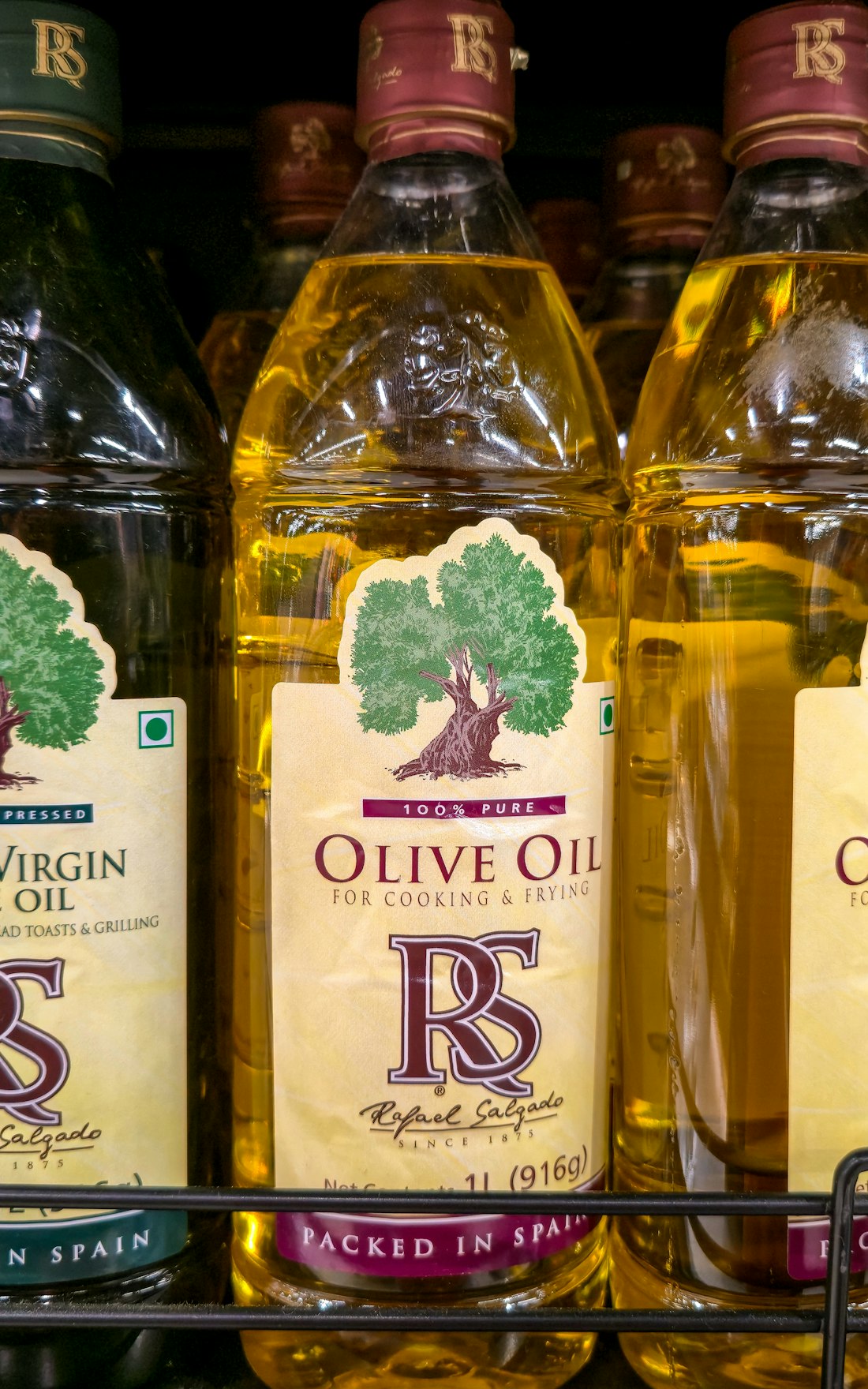
Soybean, canola, sunflower, and corn oil are the most commonly used "seed oils" — a category defined more by where they're extracted from than by any single shared health effect.
A Social-Media Theory, Not a Clinical Finding
The modern seed oil scare traces back less to peer-reviewed research and more to a wave of influencer and podcast content that built a case against seed oils using mechanistic speculation and ecological correlations — pointing out, for instance, that seed oil consumption and chronic disease rates both rose over the same decades, without establishing that one caused the other. A 2026 review published in Critical Reviews in Food Science and Nutrition traced this directly, noting the claims are "often based on mechanistic speculation and ecological correlations between the rise in consumption of seed oils and the increasing prevalence of certain chronic diseases."
That kind of correlation is a weak form of evidence on its own — chronic disease rates rose alongside a lot of other dietary and lifestyle shifts over the same period, including the boom in ultra-processed food generally. The controversy has since moved well beyond internet debate: it's made its way into state and federal policy discussions in the US, which is part of why researchers felt a rigorous review of the underlying clinical data was overdue.
The Human Data Points the Opposite Direction

Most seed oil consumption happens invisibly, through cooking and packaged food, which is part of why the debate is so hard to settle with everyday observation alone.
The scoping review, published in Critical Reviews in Food Science and Nutrition in April 2026, examined the human clinical and observational literature specifically to test claims that seed oils and linoleic acid (their main polyunsaturated fatty acid) cause harm. Its conclusion was blunt: the data overwhelmingly support the safety and health benefits of seed oils and linoleic acid, not just for cardiovascular disease but possibly other chronic conditions too. The specific claim that linoleic acid increases inflammation and oxidative stress, and therefore raises cardiovascular risk, was found to be without support in the human research.
That finding isn't an outlier. Research summarized by Johns Hopkins' Bloomberg School of Public Health points to the same pattern: people with higher blood levels of linoleic acid have a lower risk of chronic diseases including cardiovascular disease, heart attack, stroke, and diabetes. One cited analysis found participants with the highest linoleic acid levels had a 35% lower risk of developing type 2 diabetes compared to those with the lowest levels — the opposite direction from what the online narrative predicts. A 2026 clinician-focused review of cardiovascular nutrition controversies went further, sorting foods into three categories — harmful, unclear, and beneficial — and placed seed oils in the beneficial category alongside seafood, based on their association with improved cardiovascular outcomes.
It Might Be the Food Seed Oils Are In, Not the Oil Itself
Confounded by Ultra-Processed Food
Seed oils are a major ingredient in packaged, fried, and fast food — it may be the overall dietary pattern driving poor outcomes in some observational data, not the oil in isolation.
Omega-6:Omega-3 Ratio Myth
A widely cited 2024 review concluded dietary guidance shouldn't be based on the omega-6-to-omega-3 ratio at all, but on absolute intake levels of each.
Diet Quality as a Hidden Variable
Researchers suggest blood linoleic acid levels may simply track overall diet quality — people eating more whole foods tend to have healthier omega-6 metabolism regardless of total seed oil intake.
No Cancer Link Either
The World Cancer Research Fund and Cancer Council Australia have both stated there's no scientific evidence linking seed oil consumption to increased cancer risk.
This distinction matters practically. If someone eats a diet heavy in fried fast food and packaged snacks, and also develops metabolic problems, it's easy to point at the seed oil in those products as the culprit — but the same person's diet is also typically higher in refined carbohydrates, added sugar, and total calories, any of which could plausibly be doing the actual damage. Randomized controlled trials, which can isolate a single variable in a way observational data can't, are considered the more reliable evidence source here — and they consistently haven't found the harms the online narrative describes.
Should You Change What You Cook With?
- Seed oils don't need to be avoided based on current human evidence
- Replacing saturated fat (butter, beef tallow) with seed oils generally improves cholesterol markers
- Extra virgin olive oil remains a well-supported staple, but not because seed oils are dangerous
- Minimizing ultra-processed food is a better-supported goal than minimizing seed oils specifically
- Repeatedly reheated or overheated frying oil does undergo chemical changes worth avoiding, regardless of oil type
- Highly refined, heavily processed products made with seed oils are still ultra-processed foods with their own separate concerns
- Cold-pressed, minimally processed oils are reasonable choices without being strictly necessary
- Individual response can vary, and anyone with a specific diagnosed condition should still follow their own doctor's dietary guidance
Is the Seed Oil Panic Justified?
Not based on the current human evidence — this is largely a mechanistic scare, not a clinical finding.
The weight of clinical and observational research, including a comprehensive 2026 scoping review, doesn't support the claim that seed oils are uniquely harmful. If anything, the human data leans toward benefit for cardiovascular and metabolic health. That doesn't mean every food containing seed oil is healthy — plenty of them are ultra-processed for other reasons — but the oil itself isn't the villain the online narrative makes it out to be. Worth noting: several of the studies cited by seed-oil critics have documented ties to industry funding on both sides of this debate, which is a good reason to weigh the peer-reviewed clinical evidence over any single compelling-sounding claim.
Frequently Asked Questions
Do seed oils actually cause inflammation?
The best current human evidence says no. A 2026 scoping review of clinical and observational research concluded that linoleic acid, the main fatty acid in seed oils, does not raise inflammatory markers or oxidative stress in humans. The inflammation claim largely comes from animal studies and mechanistic speculation, not human trial data.
Are seed oils bad for heart health?
Human research points the other way. Observational studies consistently link higher blood levels of linoleic acid to lower cardiovascular disease risk, and a 2026 clinical review grouped seed oils with seafood in the category of foods with evidence of cardiovascular benefit, not harm. Randomized trials replacing saturated fat with seed oils generally show improved cholesterol markers.
If seed oils aren't the problem, why do they seem linked to poor health?
Researchers point to confounding: seed oils are heavily present in ultra-processed foods, and it may be the overall dietary pattern, not the oil itself, driving poor outcomes in observational data. A 2026 review noted that blood linoleic acid levels likely reflect general diet quality, since people eating more whole foods also tend to have healthier omega-6 metabolism regardless of intake.
More Health Guides, Written Clearly
Browse our full library of health explainers, updated as new research comes in.
More from the creator
Explore two other projects from the same creator.