GLP-1 Drugs and Protein Intake: What Research Shows
Here's the frustrating irony of GLP-1 treatment: the exact period when adequate protein intake matters most, to protect muscle during rapid weight loss, is also the period when appetite suppression makes eating enough protein hardest. Understanding the actual targets and practical strategies makes this a solvable problem rather than a losing battle.
Why Protein Needs Change During GLP-1 Treatment
The standard general-population protein recommendation, the RDA of roughly 0.8 grams per kilogram of body weight, was established to prevent deficiency in a sedentary adult eating a normal amount of food. It was never designed for someone eating substantially less food overall while trying to actively preserve muscle mass during rapid weight loss, which is precisely the situation many GLP-1 users find themselves in.
Because reduced appetite from the medication itself, discussed in depth in why GLP-1 drugs reduce appetite, often means total daily food intake drops significantly, protein can become a smaller and smaller share of an already-shrinking amount of food, unless a person makes a deliberate effort to prioritize it.
What the Research-Backed Target Actually Is
Clinical guidance, including the American Diabetes Association's Standards of Care, generally recommends 1.2 to 1.6 grams of protein per kilogram of body weight daily for people undergoing significant weight loss, including on GLP-1 medications. For a person weighing 80 kilograms (about 176 pounds), that translates to roughly 96 to 128 grams of protein daily, a substantially higher target than the general RDA of about 64 grams for the same body weight.
This target isn't arbitrary. It's derived from research on weight-loss interventions generally, including bariatric surgery and calorie-restricted dieting, showing that protein intake in this higher range is associated with better preservation of lean mass during periods of significant weight loss compared with standard RDA-level intake.
Spreading Protein Across the Day
Hitting a daily protein target isn't just about the total number, distribution matters too. Research on muscle protein synthesis suggests the body can only effectively use a certain amount of protein at once for building and repairing muscle tissue, roughly 25 to 40 grams per sitting for most adults, meaning a single very large protein-heavy meal is less effective than the same total protein spread across three or four smaller servings throughout the day.
This distribution challenge is compounded by appetite suppression itself. If you can only comfortably manage small meals, it becomes especially important that each small meal is protein-forward rather than protein being an afterthought once you've already filled up on something else.
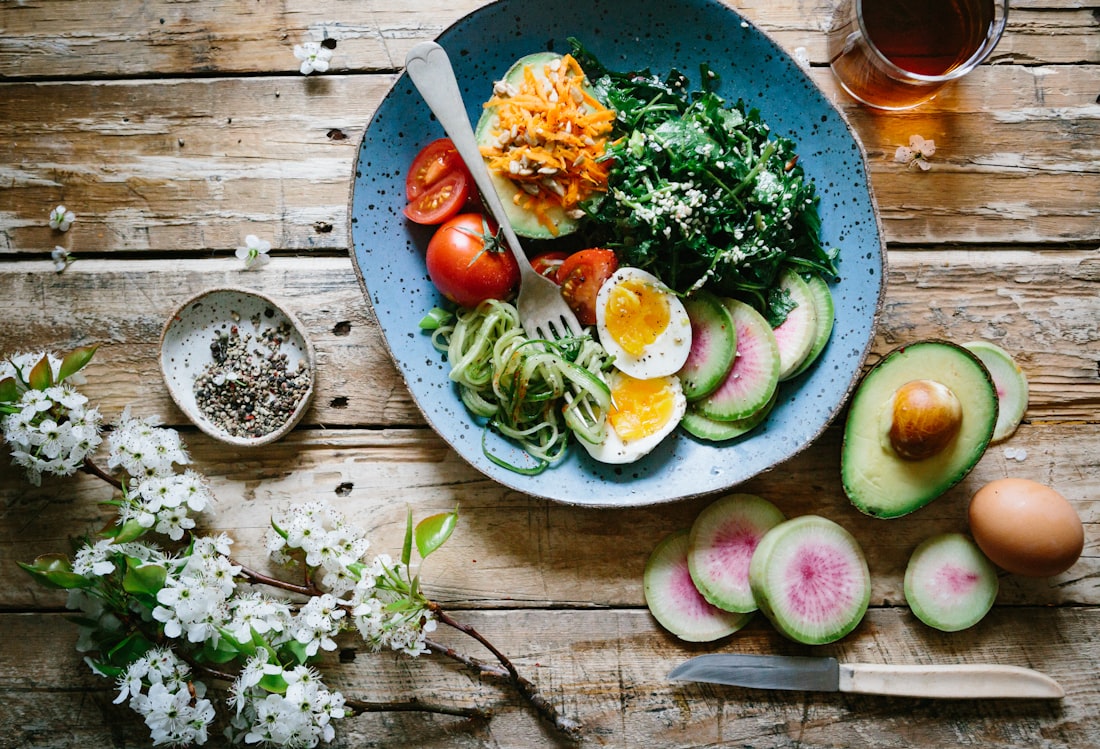
Prioritizing protein at each smaller meal helps offset reduced overall food intake from appetite suppression.
Practical Ways to Hit Your Target With a Smaller Appetite
- Eat protein first at each meal, before other foods, while your stomach still has the most capacity.
- Choose protein-dense foods over volume-heavy ones. Eggs, Greek yogurt, cottage cheese, fish, and lean meats deliver more protein per bite than many other options.
- Use protein supplements strategically. A protein shake or bar can help close the gap on days when solid food feels difficult, without requiring a large meal.
- Front-load protein earlier in the day, since appetite for some people is highest in the morning and drops as the day goes on, particularly right after an injection.
- Track intake for a week, even loosely, to see where your actual numbers land versus your target; most people are surprised by the gap until they measure it directly.
Does Protein Timing Matter Around Exercise?
If you're combining a GLP-1 drug with resistance training, as covered in GLP-1 drugs and exercise, consuming protein within a couple hours of a training session appears to support the muscle-building signal from exercise somewhat more effectively than protein eaten many hours away from training, though total daily intake matters more than precise timing for most people.
In practice, this often means simply making sure one of your smaller, protein-forward meals or a protein shake falls reasonably close to whenever you exercise, rather than needing to engineer a complicated timing schedule.
A Simple Way to Estimate Your Personal Target
Rather than trying to remember a formula, a practical shortcut is to take your current body weight in pounds and divide by 2. That rough figure approximates the lower end of the recommended range in grams of protein daily for most adults, which you can then adjust upward toward the higher end of the range if you're doing regular resistance training or find you're losing weight and strength quickly despite eating enough total protein by this estimate.
What If You Genuinely Can't Eat Much at All?
For some people, particularly during dose increases or in the early months of treatment, appetite suppression or nausea can be severe enough that hitting even a modest protein target feels genuinely difficult, not just inconvenient. In these situations, it's worth discussing directly with your prescriber or a registered dietitian rather than trying to push through alone, since options exist including temporarily pausing a dose increase, trying specific anti-nausea strategies, or working with a dietitian on very calorie- and volume-efficient ways to get protein in.
Liquid nutrition, including protein shakes, meal replacement drinks, and even bone broth with added protein powder, tends to be better tolerated than solid food during periods of significant nausea, since it requires less digestive work and passes through a slowed stomach more easily than solid meals.
Protein Source Matters Somewhat, but Total Intake Matters More
Within the broad category of protein, some sources are considered higher quality due to their complete amino acid profile, particularly the amino acid leucine, which plays a specific triggering role in muscle protein synthesis. Animal proteins, dairy, and soy generally rank higher on this measure than most plant proteins eaten individually, though combining plant protein sources across a day, such as beans with rice, or a variety of legumes and grains, can close much of this gap for people following a vegetarian or vegan diet.
For most people on a GLP-1 drug, the practical priority is simply hitting the total daily gram target consistently, using whatever protein sources fit your diet, budget, and preferences. Optimizing for the theoretically ideal amino acid profile matters far less than making sure you're actually eating enough protein in total, especially given how much appetite suppression already makes the total number the harder part to achieve.
Common Mistakes and Misconceptions
Things to Watch For
- Assuming any weight loss diet is automatically high enough in protein. Many popular low-calorie approaches are not, particularly ones heavy in refined carbohydrates or fruit.
- Overcorrecting with excessive protein supplements at the expense of other nutrients like fiber, which is important for the constipation risk covered in GLP-1 drugs and constipation.
- Ignoring kidney health considerations. People with pre-existing kidney disease should discuss protein targets specifically with their doctor, since very high protein intake isn't appropriate for everyone.
- Underestimating how much appetite suppression will change total intake, and not adjusting food choices proactively before the gap becomes obvious on a scale or in a body composition scan.
Frequently Asked Questions
How much protein should I eat on Ozempic or Zepbound?
Clinical guidance generally recommends 1.2 to 1.6 grams of protein per kilogram of body weight daily during GLP-1 treatment, notably higher than the standard 0.8 g/kg general population recommendation, to help preserve muscle mass during weight loss.
Why is it hard to get enough protein on a GLP-1 drug?
Appetite suppression reduces total food intake significantly, which means protein needs to make up a larger share of an already-smaller amount of food. Without deliberate planning, protein intake often falls short even as total calorie intake appropriately decreases.
Should I spread protein throughout the day or eat it all at once?
Spreading protein across 3 to 4 meals or snacks, at roughly 25 to 40 grams per sitting, is generally considered more effective for muscle preservation than consuming the same total amount in one large meal, since the body can only use so much protein at once for muscle repair.
Are protein shakes a good idea on a GLP-1 drug?
Yes, for many people. They offer a practical way to hit protein targets without requiring a large meal, which can be especially helpful on days when solid food feels difficult due to reduced appetite or nausea.
Key Takeaways
- The research-backed protein target during GLP-1 treatment is 1.2 to 1.6 grams per kilogram of body weight daily, higher than the standard RDA
- Appetite suppression makes hitting this target harder, since protein needs a larger share of a smaller total food intake
- Spreading 25 to 40 grams of protein across 3 to 4 meals is generally more effective than one large protein-heavy meal
- Protein-first eating, protein-dense food choices, and strategic supplement use are the most practical tools
- People with kidney disease should discuss protein targets specifically with their doctor before increasing intake
More Health Guides, Written Clearly
Browse our full library of medically reviewed articles on diabetes, heart health, and weight management — all in plain, easy-to-understand language.
Explore All Health ArticlesSources and References
- American Diabetes Association — Standards of Care in Diabetes, 2025
- PMC — Preservation of lean soft tissue during weight loss induced by GLP-1 and GLP-1/GIP receptor agonists, 2026
- Academy of Nutrition and Dietetics — Protein needs during intentional weight loss