Dedicated AI Devices vs Smartphones: Which Tasks Need New Hardware
Every few years someone announces a gadget that will replace the smartphone, and every few years the smartphone absorbs the idea. AI has restarted the argument. Pins, pendants, smart glasses, and rumored earbuds all promise something a phone cannot do. Some of them are right. This guide gives you a practical test for which tasks genuinely need new hardware, and which are just a phone feature waiting to happen.
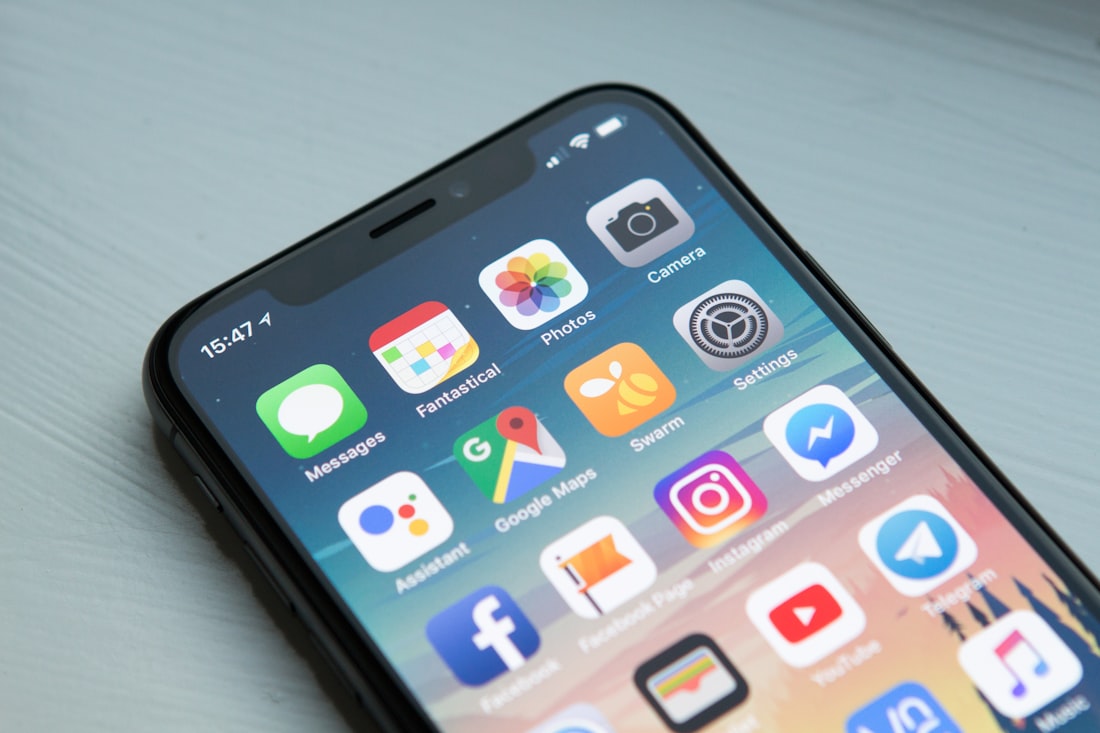
The phone remains the device most people reach for first, even when a gadget claims to do a specific job better.
Which AI Tasks Actually Need New Hardware?
A task needs new hardware when it depends on something a phone cannot provide: constant presence on your body, hands-free use, eye-level information, or a sensor in a place a phone never sits. Chatting, searching, writing, editing photos, and most planning tasks do not. They work fine on a phone because they involve you looking at a screen in your hand.
That sounds obvious, and yet the first wave of dedicated AI gadgets tried to replace phone tasks anyway. The Humane AI Pin, which shut down in early 2025 after about a year on sale, asked people to swap a screen they liked for a projector they did not. Rabbit’s R1 promised an assistant that would operate your apps, and largely demonstrated how hard that is. Both were solutions hunting for a problem the phone did not have.
The devices that are working are the ones that do something a phone structurally cannot. Meta’s camera glasses, which the company reportedly sold over seven million pairs of in 2025, sit at eye level and free your hands. We compare the newest designs in our Snap Specs versus camera glasses guide.
A Four-Question Test for Whether Hardware Is Justified
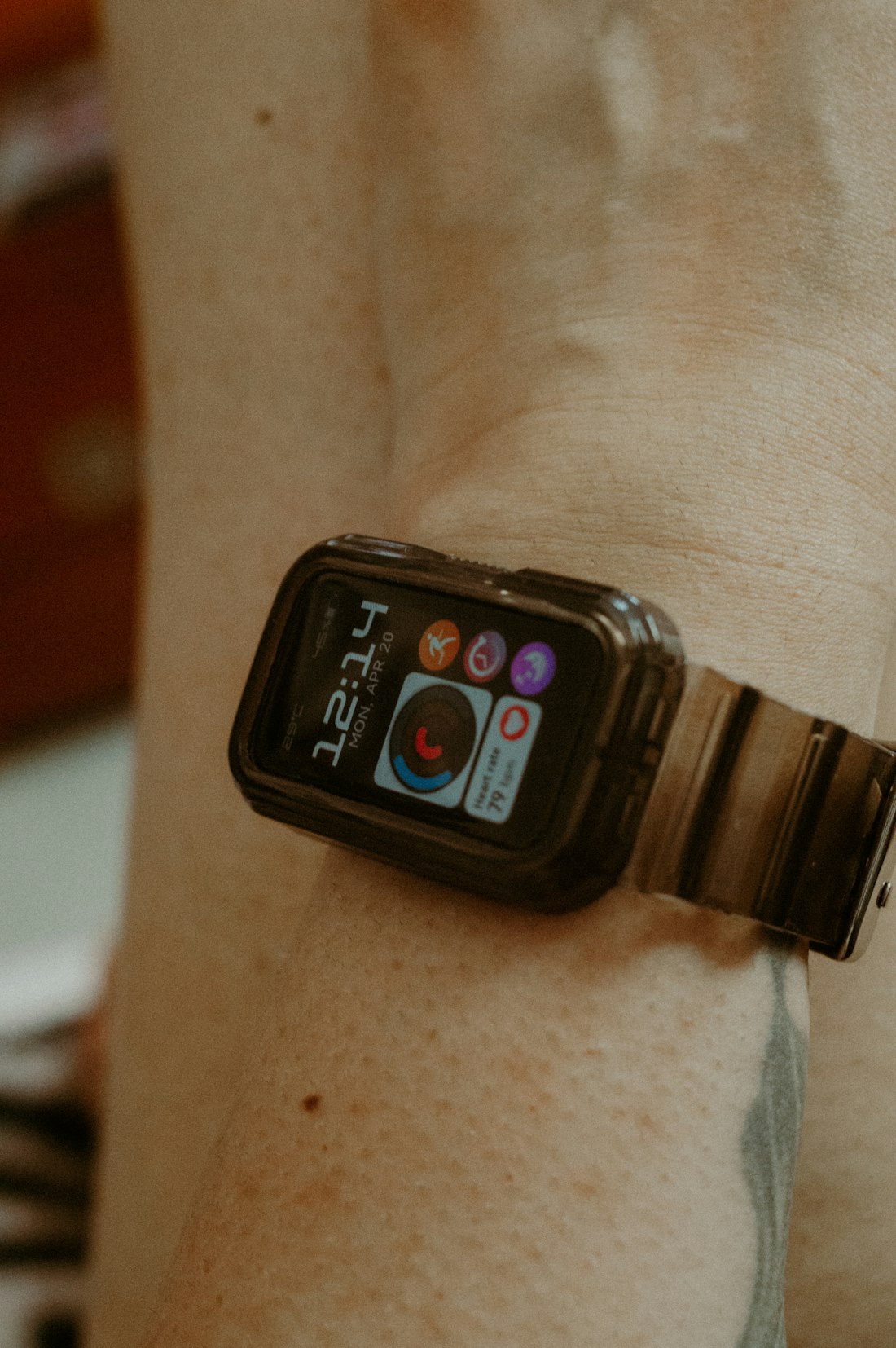
Devices that sit on the body can do things a phone in a pocket cannot.
1. Does it need to be always with you?
A pendant or watch can listen or sense continuously. A phone in a bag cannot. If the value comes from being present for moments you did not plan, dedicated wearables have an edge.
2. Do your hands or eyes need to stay free?
Cooking, cycling, walking a dog, presenting on stage. If pulling out a phone breaks the task, a glasses or earbuds form factor is worth considering.
3. Does the sensor need a different position?
A camera at eye level sees what you see. A microphone near your ear hears what you hear. A phone rarely sits in the right spot.
4. Can the phone do it with an update?
If a software feature on a phone you already own would deliver most of the benefit, the gadget has to be dramatically better to justify itself.
Most failed gadgets flunked question four. A pin that answers questions is a worse version of a phone assistant, and phone assistants improve every year. Most successful ones pass question three: the sensor placement is the product.
What Did the First Wave of AI Gadgets Get Wrong?
Humane’s AI Pin launched at $699 with a monthly service plan, asked users to talk to their chest and read answers from a projected hand display, and struggled with speed, battery, and heat. The company shut the service down in early 2025 and sold its assets to HP. Rabbit’s R1 launched as a cheap orange handheld that promised to operate apps on your behalf, and reviewers found that many promised features were missing or unreliable at launch.
The shared lesson is not that dedicated hardware is doomed. It is that a device has to be better than a phone at something people do every day, and has to work on day one. Both products asked buyers to give up a great screen and a full app ecosystem in exchange for a promise. The winners since then have been additive: a watch adds sensing, glasses add a hands-free camera, and neither asks you to abandon your phone.
Which Tasks Belong Where?
| Task | Phone is enough | New hardware helps |
|---|---|---|
| Asking questions and searching | Yes, fully | Only if voice-only convenience matters |
| Writing and editing | Yes, fully | No |
| Navigation while walking | Mostly | Glasses or audio can keep eyes up |
| Translating a live conversation | Yes, with effort | Glasses or earbuds make it smoother |
| Capturing memories hands-free | Awkward | Camera glasses do this well |
| Remembering what was said in meetings | Possible, with a phone recording | Wearables record without you handling anything |
| Health and fitness sensing | Limited | Watches and rings sense continuously |
| Controlling apps by speaking | Getting better fast | Needs deep OS integration more than new hardware |
Notice how many rows say the phone is enough. That is the smartphone’s hidden strength: it already carries a screen, a camera, microphones, a fast processor, and the apps you use. Any competitor has to beat it at one narrow thing while giving up all the rest.
Which Device Categories Are Succeeding?
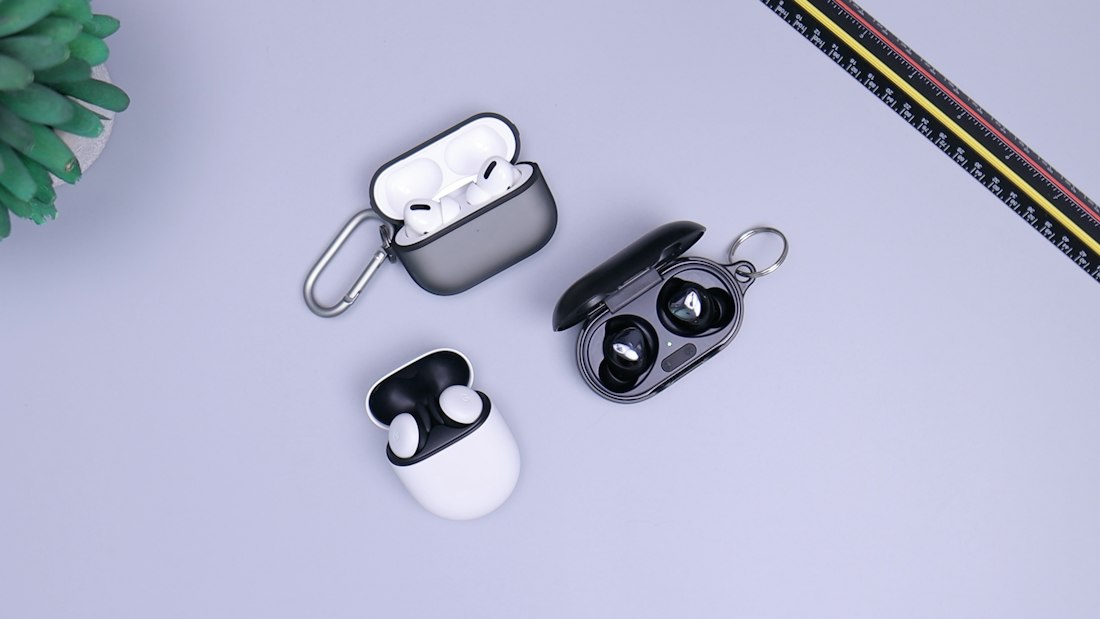
Audio-first products try to make AI something you hear rather than something you watch.
Three categories have real traction. Smartwatches and rings sense your body continuously, which a phone cannot. Smart glasses with cameras and microphones give AI a first-person view. And a newer group of recording wearables, from pendants to clip-ons, try to remember conversations for you. Meta has bought pendant maker Limitless, and Amazon bought Bee, a wearable that records and summarizes conversations, which tells you where big companies see value.
All three depend on being always on, and that is also where the privacy questions concentrate. A watch that listens for sirens is one thing. A glasses camera that can film strangers, or a microphone that records everyone in the room, is another. We dig into that in our always-on microphones guide and the camera-free alternative in our camera-free glasses guide.
Meanwhile OpenAI has said it expects to unveil its first hardware device in the second half of 2026. The company has not confirmed what it looks like, and reports about earbuds should be treated as rumors. If it arrives, it will be judged against the four questions above.
How Are Smartphones Absorbing the Idea?
Phone makers are not waiting. Apple’s Siri AI adds personal context, onscreen awareness, and a Camera mode to the phone you already own, and its Apple Watch will gain Audio Intelligence features that recall what was said in a conversation. Chinese makers are going further: ZTE’s Nubia NaviX Ultra, launched September 16, is built around an AI agent that operates apps for you. We compare those approaches in our agentic phones guide.
The strategic logic is straightforward. A phone with a strong assistant reduces the reasons to buy a separate device, and a phone paired with a watch, earbuds, or glasses extends its reach without replacing it. The most likely future is not phone versus gadget but phone plus gadgets, with the phone as the hub. Our overview of Siri AI shows one company’s version of that bet.
What Should You Watch for Over the Next Year?
OpenAI’s first device
The company has said it expects to unveil hardware in the second half of 2026. Watch whether it passes the eye-level, hands-free, or always-on tests, or looks like a phone alternative.
Meta’s next glasses
Reports suggest new lineups, including camera-free designs. Watch price, battery life, and how much privacy protection ships with them.
Apple Watch audio features
Live Rewind and Siri Recap arrive later this year and will show whether always-on audio can win trust.
Agentic phones
If a phone that operates apps for you works well, it weakens the case for a separate agent gadget.
Our advice is to judge each new product with the same four questions rather than the launch video. Hardware is hard, and the graveyard of AI gadgets is proof that a good demo is not a good product.
How Should You Decide Before Buying?
- The value comes from continuous presence, like sensing or recording
- Your hands or eyes must stay free for the task
- The sensor position is the whole point, like eye-level vision
- You have tried the phone version and it genuinely falls short
- You mostly ask questions, write, or search
- The gadget needs its own subscription to do basic tasks
- A phone update would deliver most of the benefit
- You are uneasy about a device that records or sees around you
A final practical point: subscriptions and shutdowns. Humane’s customers learned that a device tied to a company’s servers can be switched off. Before buying, ask what the gadget does offline, what it costs each month, and what happens if the company stops. Cloud dependence is the hidden cost of many AI products, a theme we return to in on-device versus cloud AI.
Frequently Asked Questions
Will AI devices replace smartphones?
Not soon. The devices gaining traction, such as watches and smart glasses, do things a phone structurally cannot, but they work alongside a phone rather than replacing it.
Why did the Humane AI Pin fail?
It asked people to give up a familiar screen for a new interface without doing enough that a phone could not, and it depended on a subscription and company servers. The company shut the service down in early 2025.
What is OpenAI’s device?
OpenAI has said it expects to unveil its first hardware device in the second half of 2026. It has not confirmed the form factor, and reports about earbuds are unconfirmed rumors.
Which AI hardware is worth buying now?
Categories that pass the “does it need to be on your body or at eye level” test, such as smartwatches and smart glasses, have the strongest case. Standalone gadgets that duplicate phone tasks have the weakest.
More AI Tool Guides, Written Clearly
Browse our full library of AI explainers, updated as the tools and hardware change.
More from the creator
Explore two other projects from the same creator.